Culture is better seen when there are fewer people
02 October 2026
Traveling off-season transforms the way we experience cities: there is less pressure from tourism and more room to enjoy museums, exhibitions, and the places that truly reveal the essence of a destination.
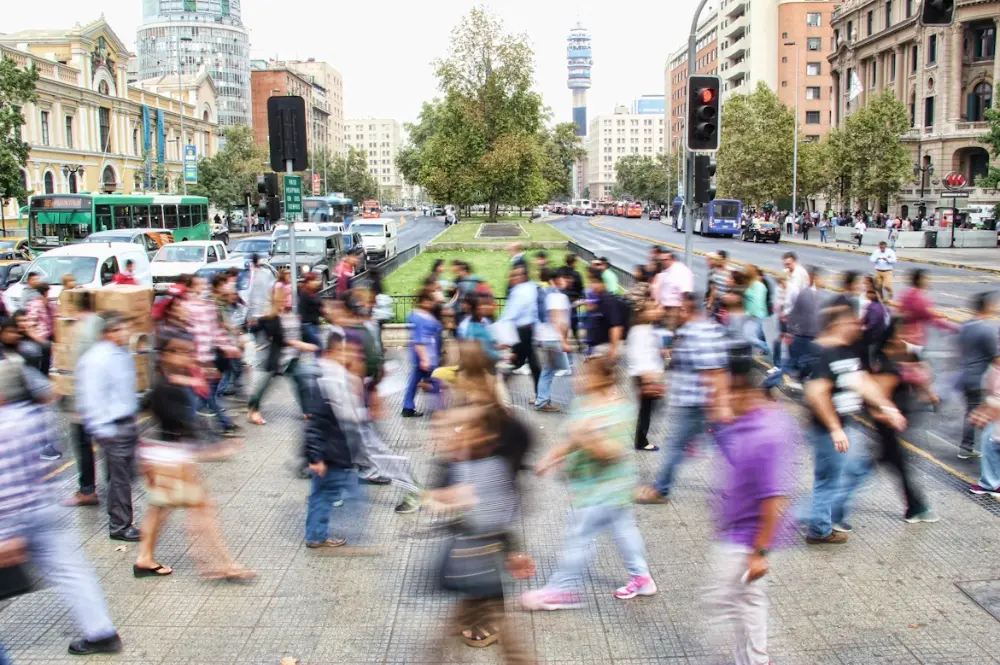
We have come to view crowds as an inevitable part of any cultural trip. Whether outside the Uffizi, inside the Louvre, in the narrow alleys of Venice, or along the streets leading to the Sagrada Família, the presence of thousands of people seems to validate the importance of what we have come to see. If everyone wants to be here, there must be a reason. The problem is that, beyond a certain point, the sheer number of people profoundly alters the experience of a place—and, above all, the way we perceive it.
Contemporary cultural tourism is built around a strict hierarchy of cities, museums, monuments, and images. Digital platforms have amplified this trend, focusing attention on the same hotspots and resulting in increasingly standardized itineraries. We travel independently—or so it seems—yet often end up seeing only what others have already deemed worth seeing.
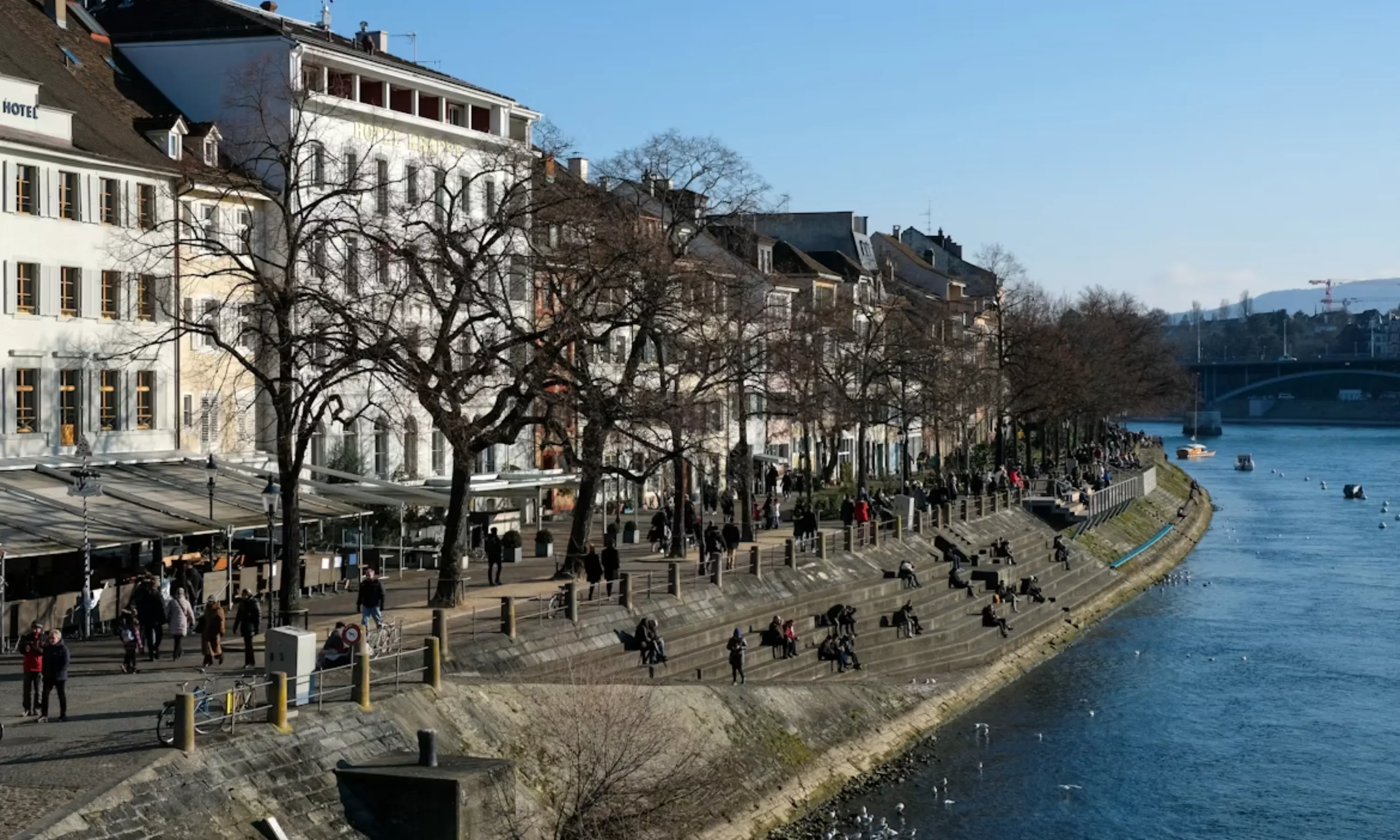
That is why off-season travel offers something far more compelling than a mere strategy to save money or avoid queues. It allows us to temporarily reclaim a city from its most commodified version.
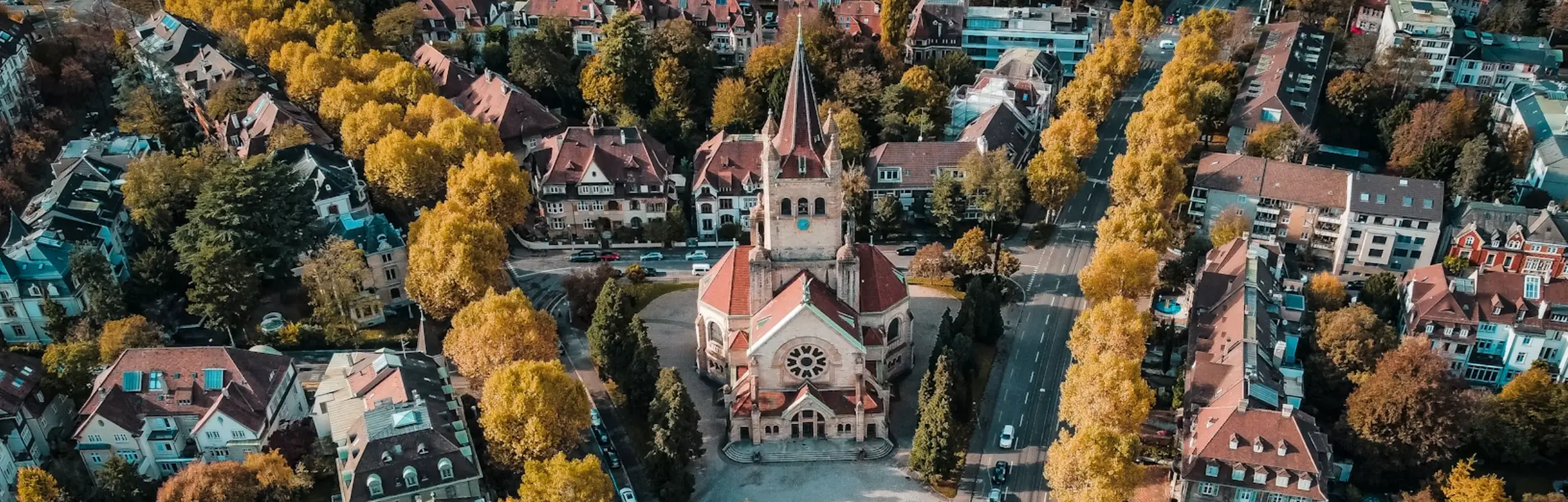
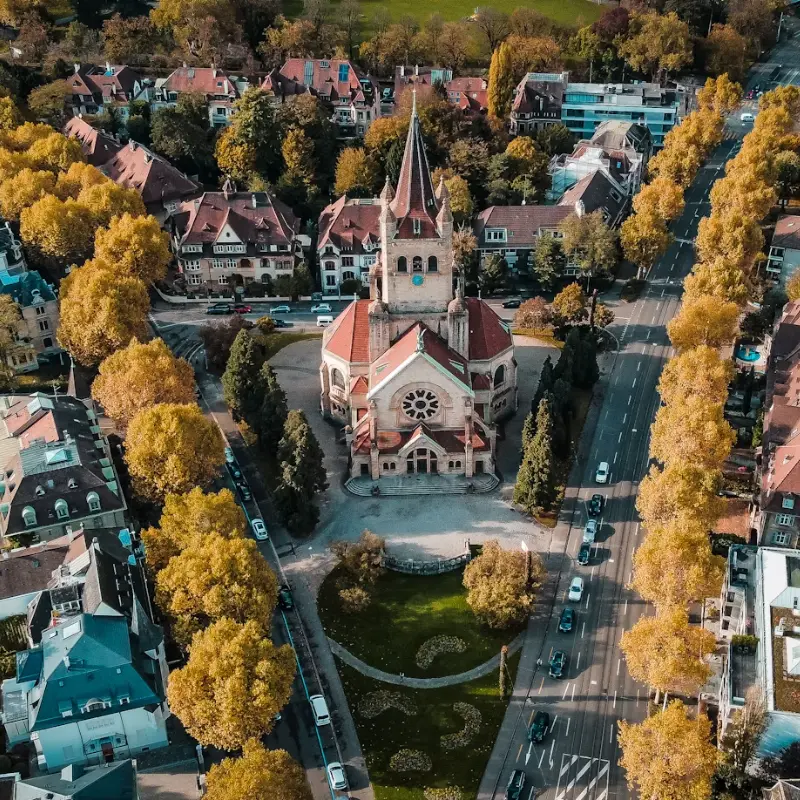
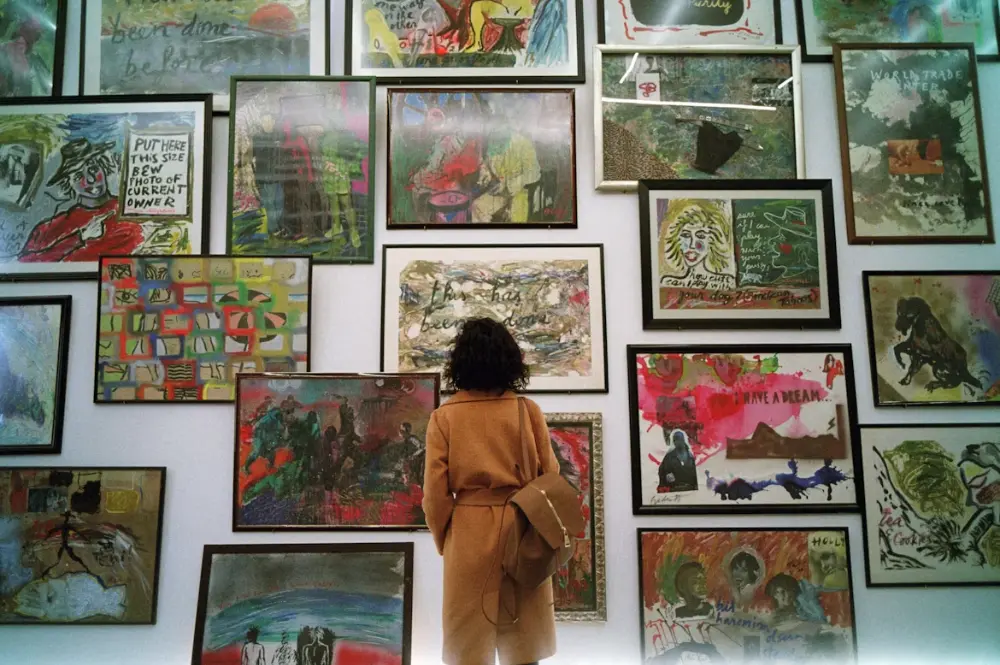
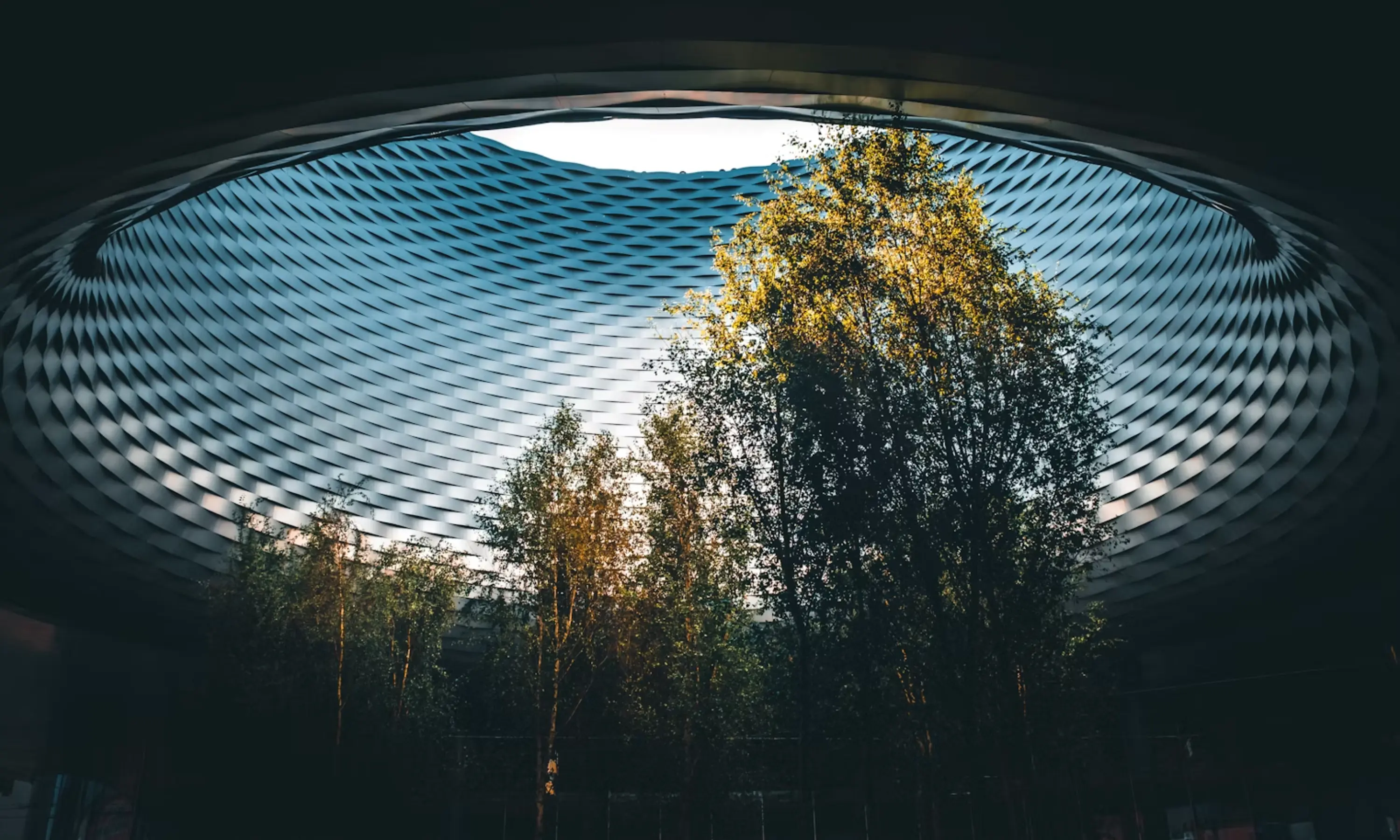
Basel, for instance, boasts a concentration of culture in October that is hard to find elsewhere: the Kunstmuseum is hosting exhibitions on Roy Lichtenstein and the relationship between Van Gogh, Ferdinand Hodler, and collector Gertrud Dübi-Müller, while the Fondation Beyeler presents the first European retrospective dedicated to Ruth Asawa starting October 18. It is a city that needs no summer to justify a visit; indeed, outside the Art Basel season, one can perhaps better appreciate the extent to which art is truly woven into its identity.
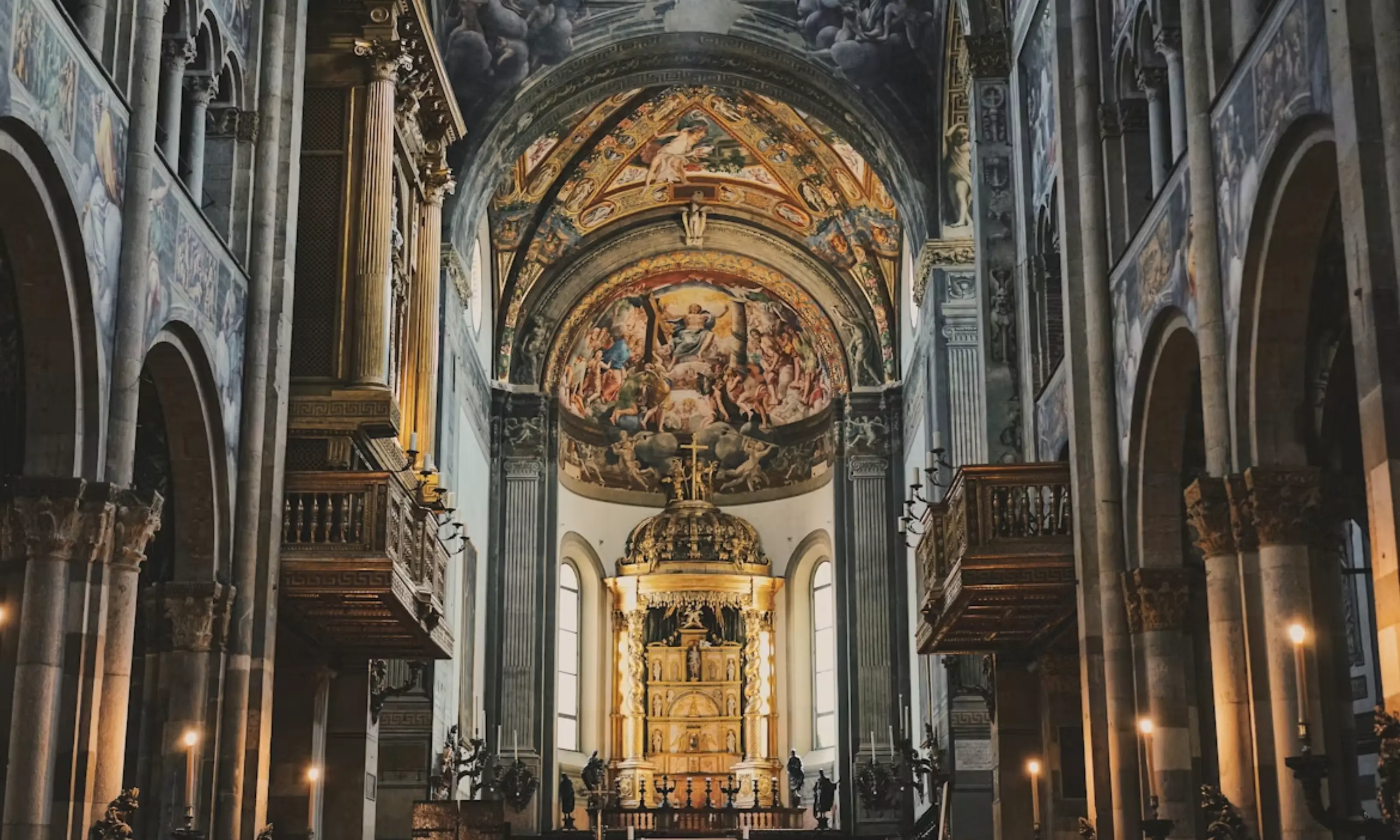
Parma offers a different dynamic. From October 2nd, the Palazzo del Governatore is hosting *Lei* ("She")—an exhibition of portraits of women ranging from Van Gogh to Modigliani and beyond—while early in the month, *Mercanteinfiera* brings together antiques, mid-century modern pieces, design, and collectibles. Within a short distance, museums, markets, historical heritage, and material culture coexist—a layering of experiences that rarely comes to light when a city is reduced merely to its most recognizable attractions.
Seeking out "secret" spots does not solve the problem. That, too, has become a tourist category; a destination need only be described as "hidden" for it to rapidly lose that very quality.
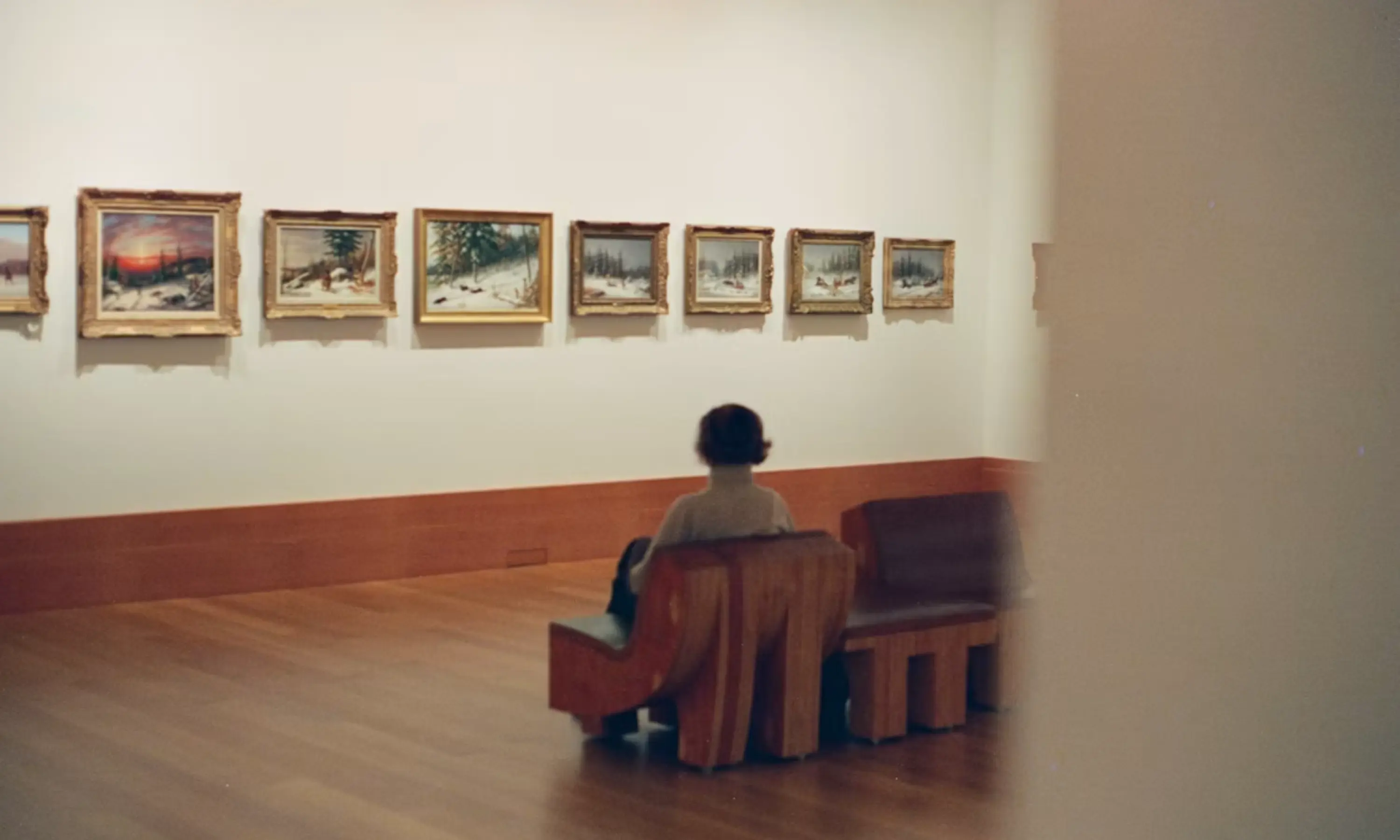
One can, however, approach the timing differently. In October, many European cities still enjoy a vibrant cultural life but are less affected by massive tourist crowds. Museums, bookshops, markets, restaurants, and residential neighborhoods once again become part of a shared urban space, rather than just stops on a checklist to be completed.
It is a seemingly small difference, yet it transforms one's relationship with the place being visited. You might spend ten minutes or thirty seconds in front of an artwork, wander into a museum on a whim, or stroll through a neighborhood without knowing beforehand what there is to photograph. In this way, travel regains a vital part of its purpose: allowing enough space for the destination itself—at least occasionally—to shape the itinerary.