Has sustainable fashion taught us to buy less?
07 October 2026
Conscious fashion has transformed the materials, language, and communication strategies of brands. Yet, even as sustainability makes its way into collections, we continue to buy more and more clothes.
Sustainability has become a key attribute that a garment must convey. Recycled fibers, regenerated materials, traceability, local production, capsule collections, and garment take-back programs—in recent years, the fashion industry has developed a recognizable vocabulary around its environmental transformation, adopted by both independent labels and major international groups. It is not just about how a garment is produced; it is about how it is presented and, above all, the kind of consumer it allows one to emulate.
European figures reveal a less straightforward picture of this transformation. According to the European Environment Agency, the average EU citizen consumed 19 kilograms of clothing, footwear, and household textiles in 2022, up from 17 kilograms in 2019. Per capita consumption rose by 15% between 2010 and 2022. While the industry improved various environmental efficiency metrics during this period, the increase in the volume of goods purchased offset some of that progress.
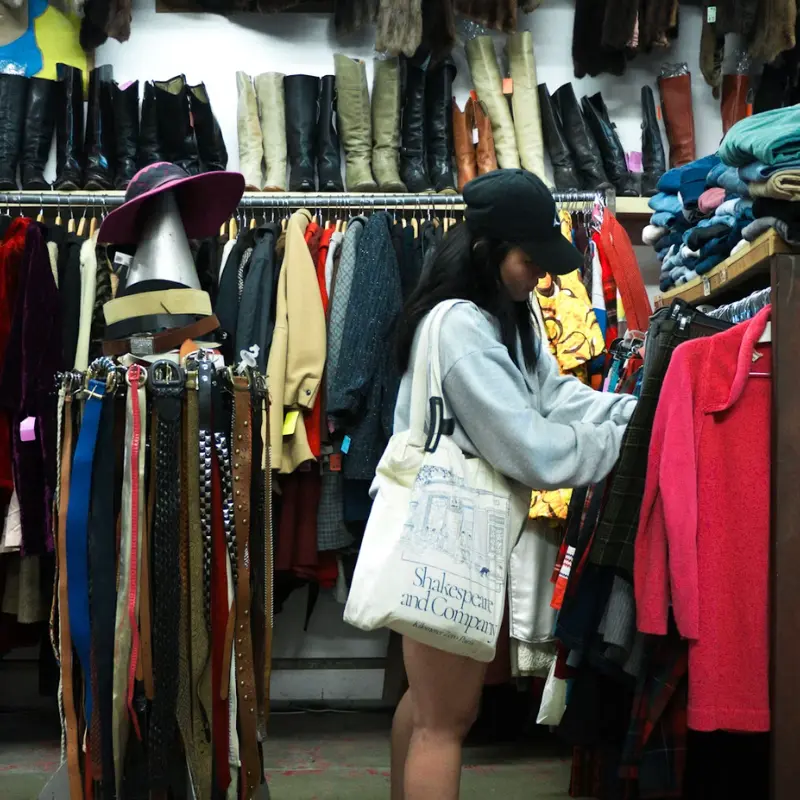
We might choose a T-shirt made with recycled fibers, resell a jacket on a secondhand platform, know the origin of the cotton, and buy from a brand that transparently details its supply chain. These are all actions with tangible value. Yet, the mechanism that makes the constant arrival of something new so desirable remains largely unchanged.
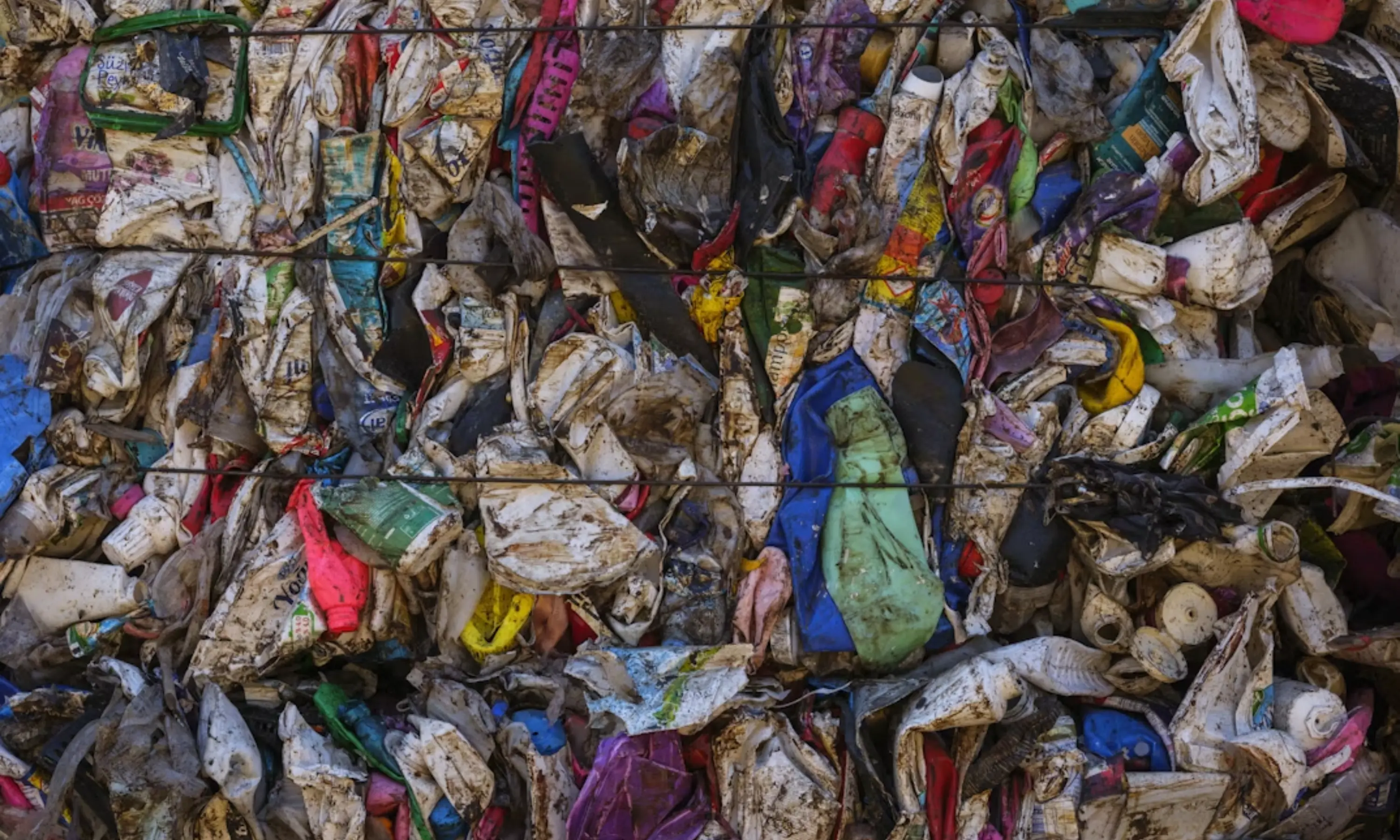
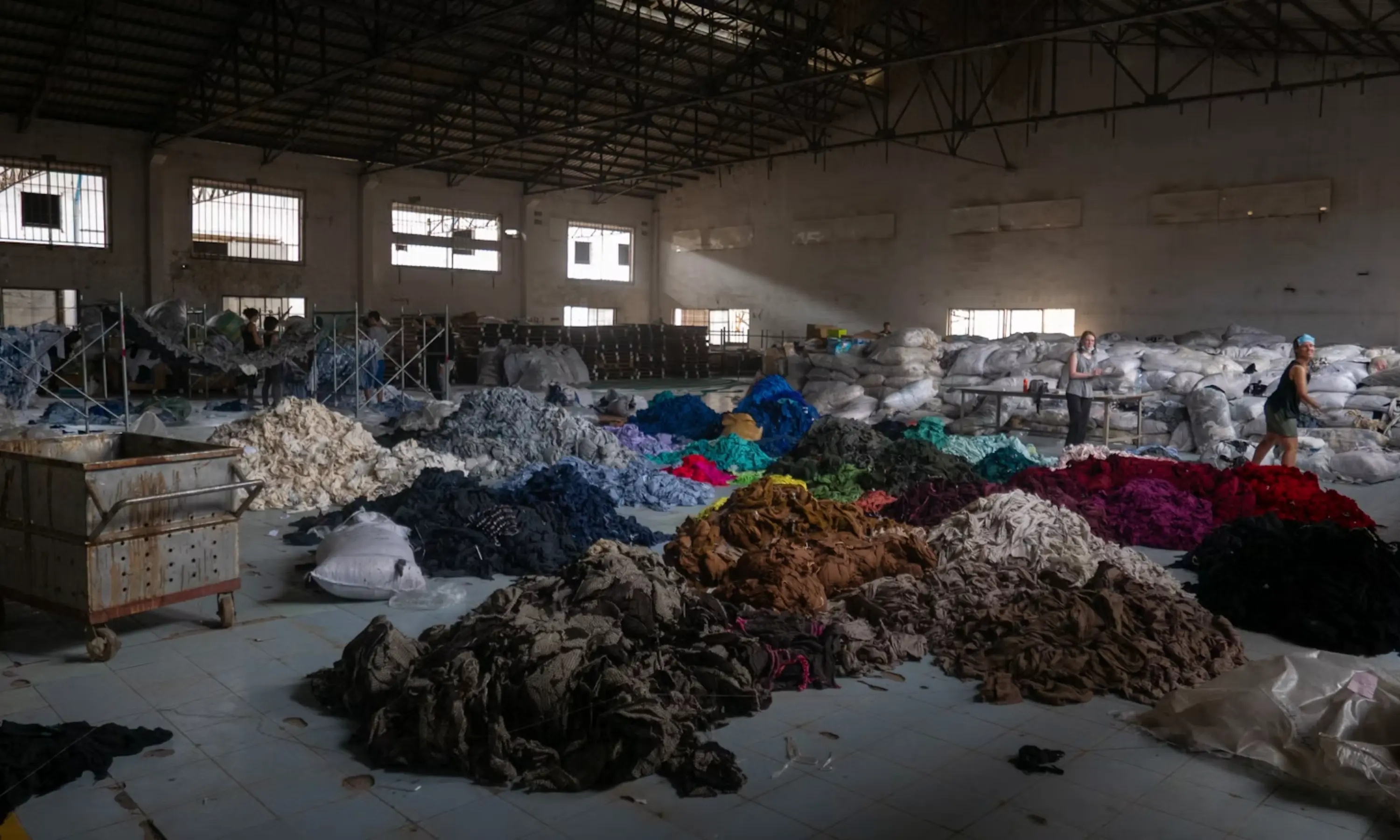
Recycling practices also illustrate this gap. The latest EEA data show that only 13% of popular items purchased online contain at least 20% recycled material. Consequently, the actual adoption of circularity is lagging far behind its prominence in fashion’s narrative. Starting in July 2026, the European Union is introducing an even more significant measure: large companies will no longer be permitted to destroy unsold clothing, accessories, and footwear. Before the ban took effect, the Commission estimated that between 4% and 9% of unsold textile products in Europe were destroyed annually without ever having been used. While seemingly technical, this regulation actually addresses one of the industry’s deepest anomalies: producing enough volume that it becomes considered normal for a portion of that output to never actually find a wearer.
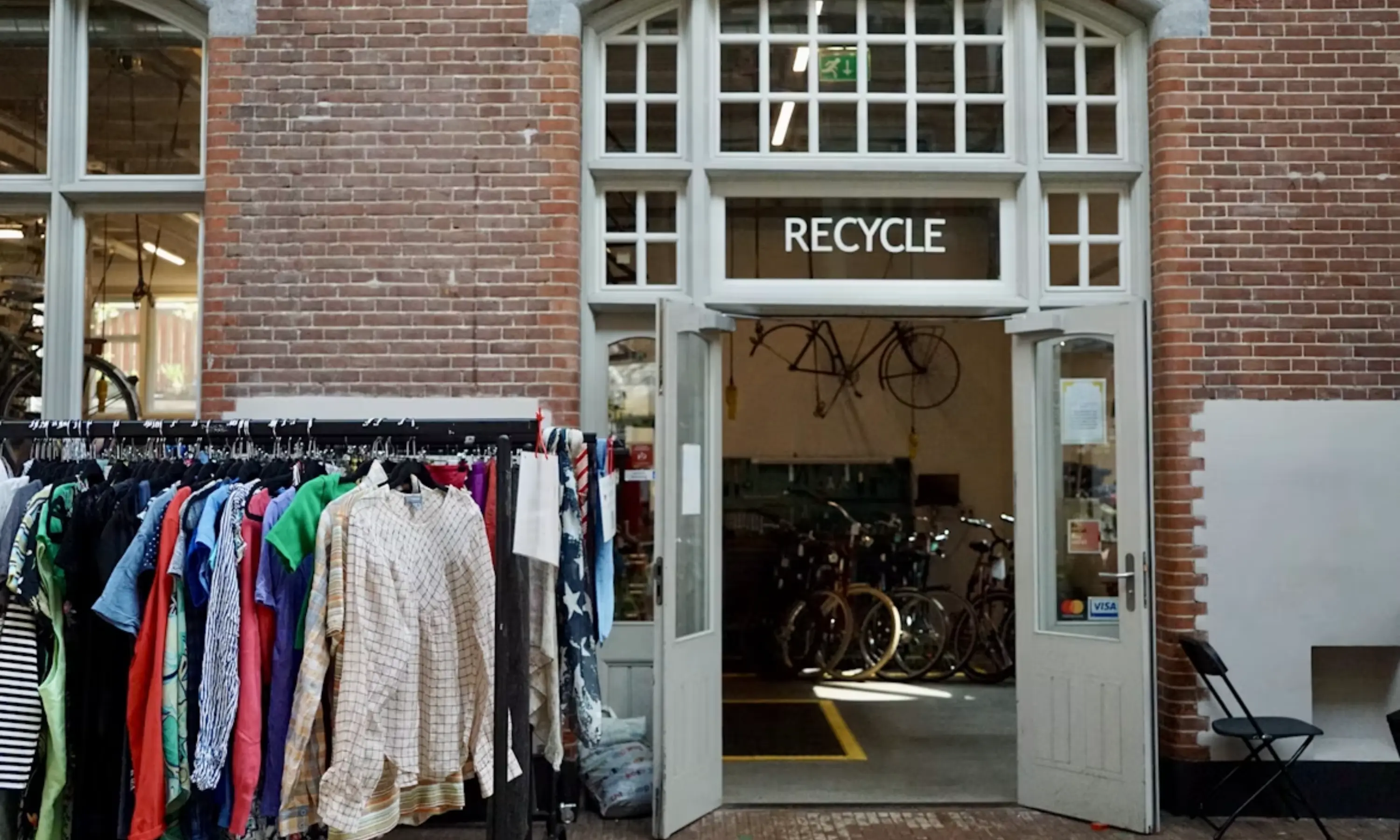
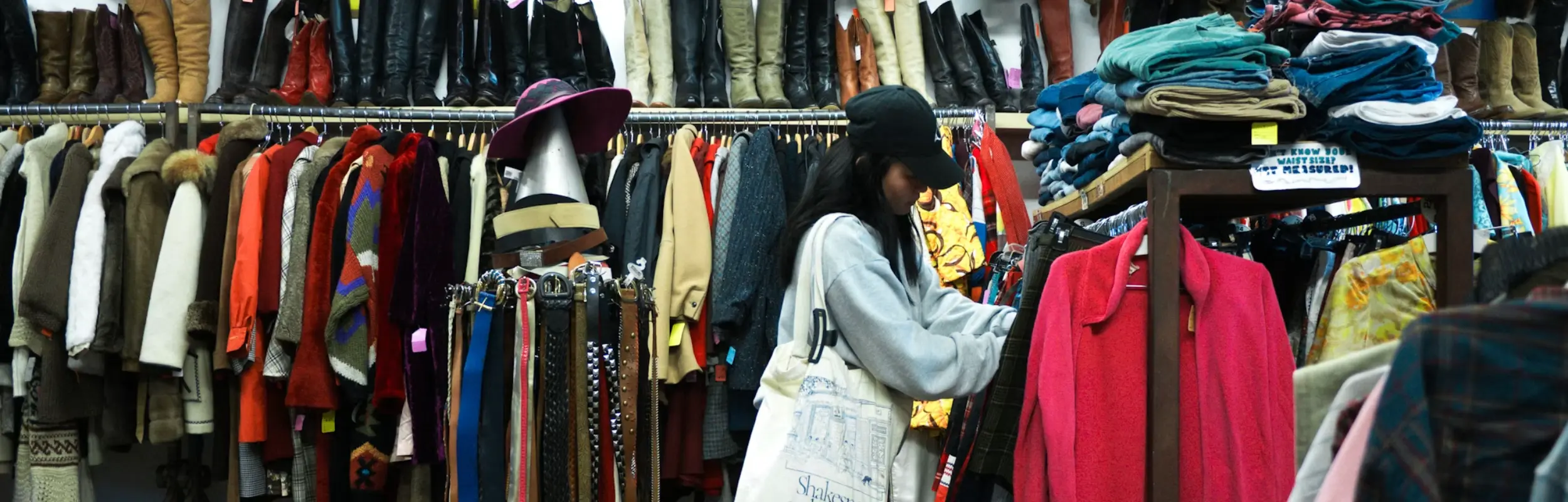
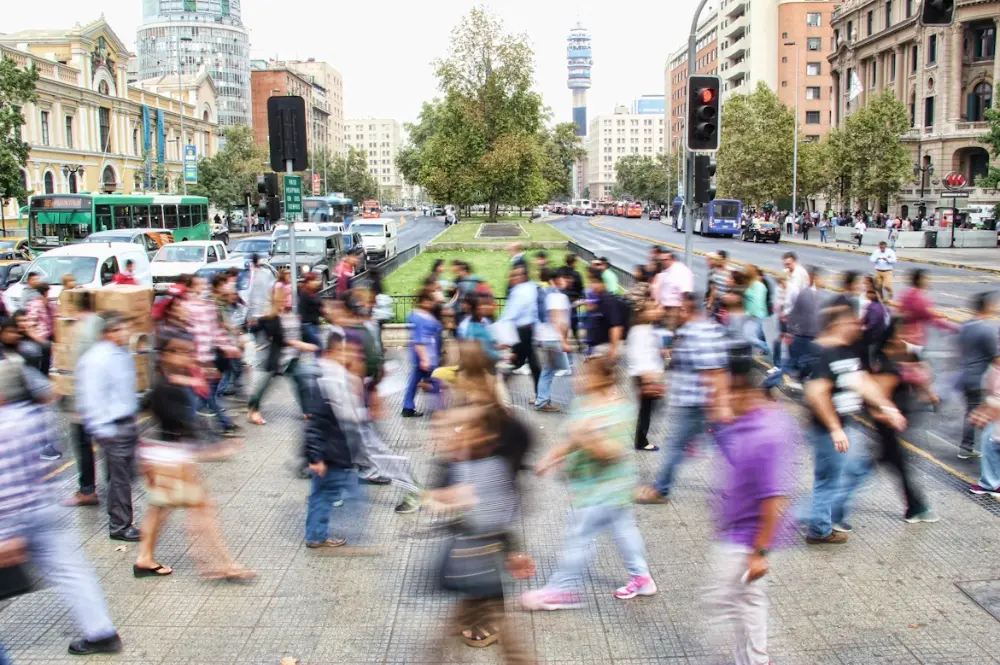
Meanwhile, consumers have also become more knowledgeable. They read labels, recognize certain certifications, seek out durable materials, buy secondhand, and pay closer attention to origins. Yet, this awareness coexists with digital platforms capable of constantly compressing the time between one desire and the next. A garment may be responsibly made, yet still remain firmly embedded in a system built on speed.
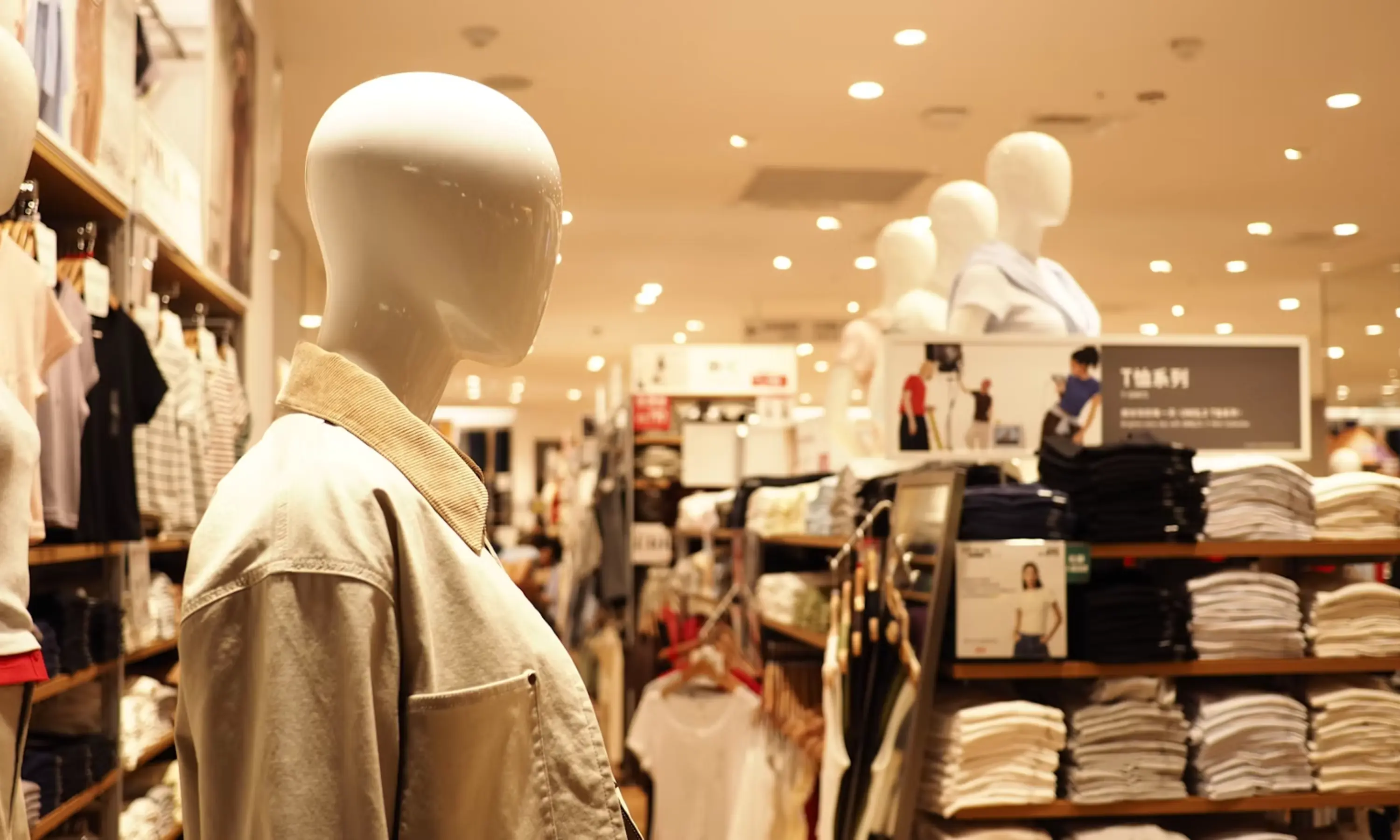
The most difficult transformation, therefore, concerns longevity. Keeping a dress for years means accepting that it continues to occupy space in our closets while collections, images, and aesthetic codes shift around us. Repairing it means assigning it a value that does not depend on novelty. Buying less inevitably makes every purchase more selective.
It is in this arena that conscious fashion will have to prove its maturity. Materials are changing, European regulations are tightening, and supply chains are becoming increasingly transparent. Inside the wardrobe, however, the transformation moves at a different pace. And it is likely there that we will discover how much of sustainability has truly become part of our culture, and how much remains merely a tool for communication.