Who decides how much an artist is worth?
13 October 2026
The contemporary art market generates billions, yet the price tag is merely the final step in a complex system comprising galleries, museums, curators, collectors, and reputations.
In the art market, there is a moment that appears deceptively simple: a work is sold, and a price is set. While this is the most visible stage—the one that grabs headlines when figures reach extraordinary levels—it tells only a fraction of the story. Before an artist commands a specific market value, they must be seen, selected, exhibited, purchased, discussed, and recognized. The price is the culmination of a long process of cultural validation.

Data from the *Art Basel and UBS Global Art Market Report 2026* illustrate just how selective this system is. In 2025, the global art market returned to growth, reaching $59.6 billion—a 4% increase over the previous year. However, this growth was uneven: at auction, the value of works sold for over $10 million rose by 30%, whereas the segment for works under $50,000 saw a 2% decline.
Capital tends to concentrate where value has already been established. It is precisely this concept of "recognition" that offers the key to understanding the mechanics of the contemporary art world.
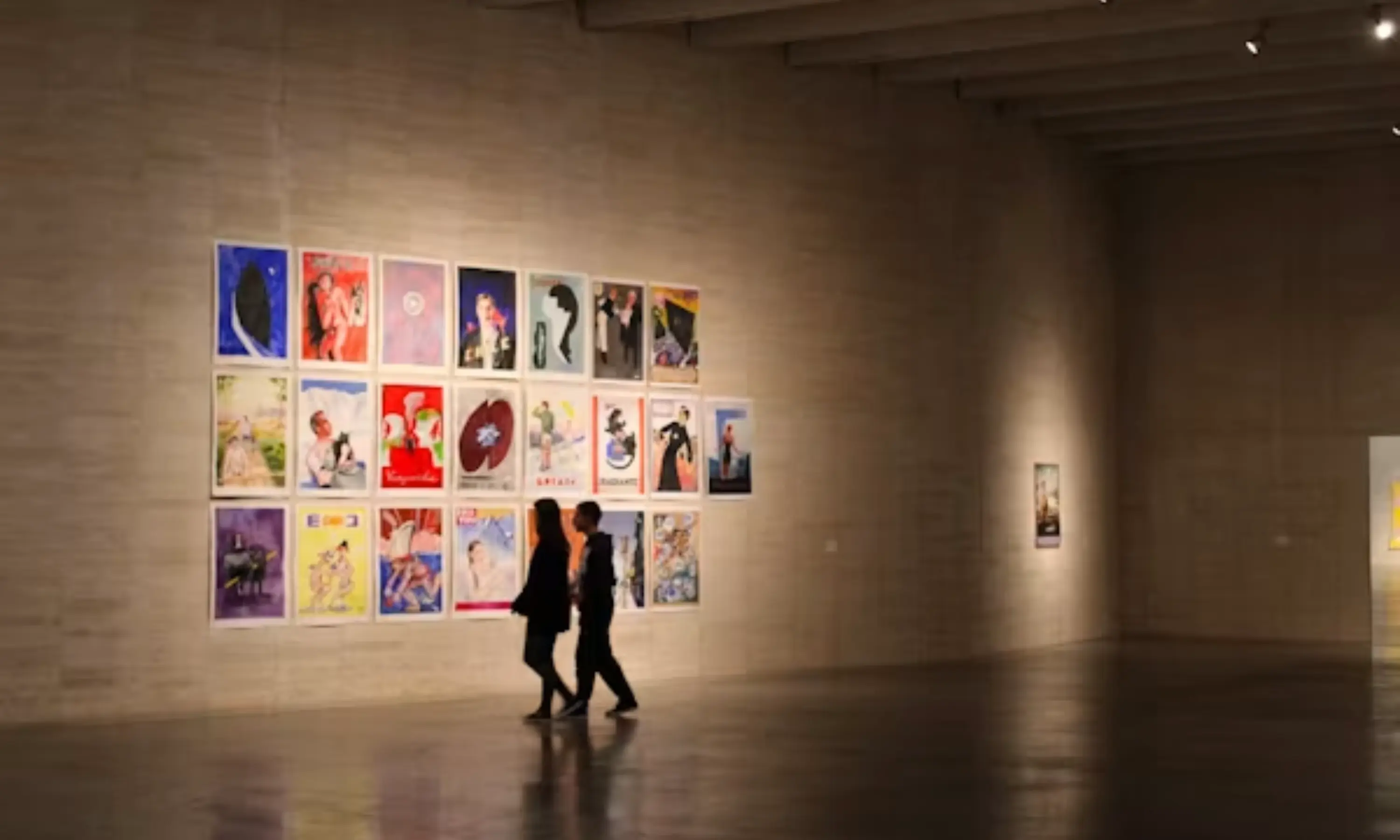
When a gallery decides to represent a young artist, it does not simply assign them a price; it integrates them into a network of relationships, art fairs, collectors, and institutions. An exhibition curated by a respected figure adds a new layer of significance, as does acquisition by a major collection. The involvement of a museum marks a further milestone, as the work enters a space designed to preserve, study, and display it for posterity. None of these players unilaterally determines what constitutes valuable art; ...together, however, they create the conditions for that value to be recognized.
This is why two works that appear comparable in terms of size, technique, or complexity can command radically different prices. In the art market, one does not simply buy physical matter; one buys a position within a history.
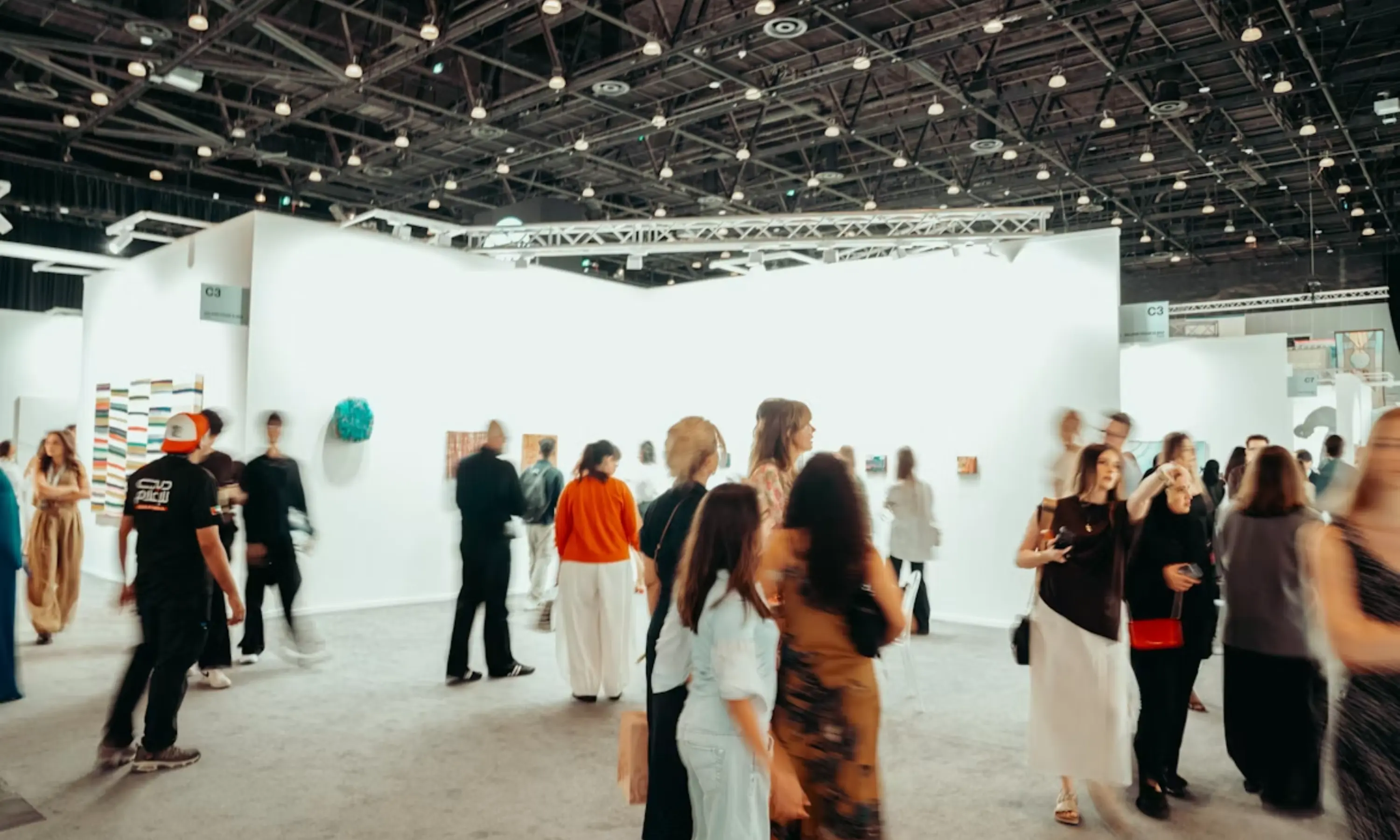
This is also what makes the system vulnerable to trends, concentrations of power, and speculative surges. When many influential figures simultaneously take an interest in the same artist, cultural recognition can rapidly transform into economic demand. Auctions make this dynamic visible by generating a public, easily comparable figure. A single strike of the gavel can, in mere seconds, give economic form to something that took years to build.
Meanwhile, the relationship between artist and collector is showing interesting signs of change. According to the *Survey of Global Collecting 2025* by Art Basel and UBS, the share of collector spending directed straight to artists has more than doubled since 2023, reaching 20% in 2025. Forty-three percent of the collectors surveyed purchased at least one work directly from an artist's studio.
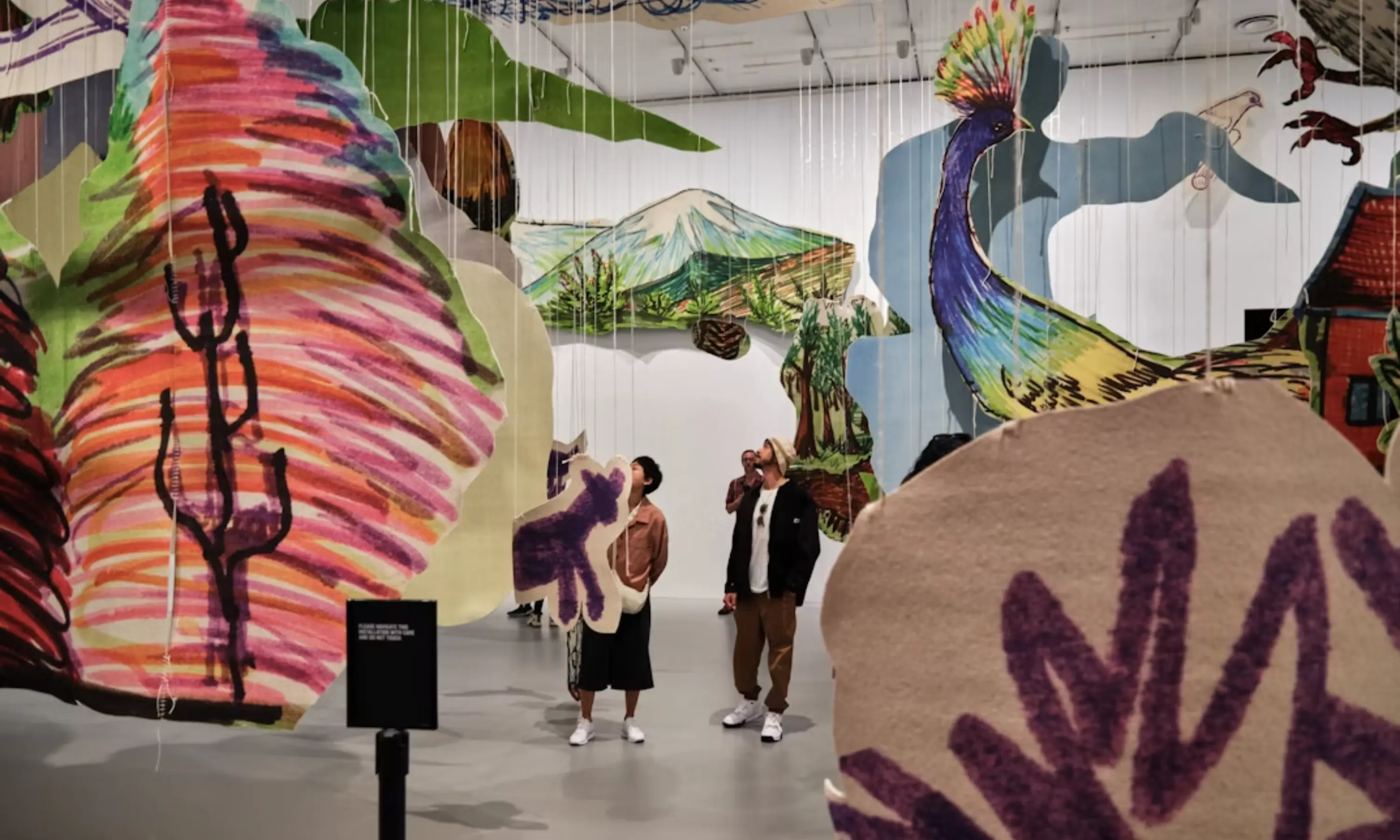
This does not mean that galleries, curators, and institutions are losing their function. Rather, it indicates that a segment of collectors wishes to get closer to the site of production—to the place where the work is created—before the full process of legitimation has run its course.
An inherent tension remains. Contemporary art asserts its freedom, its spirit of experimentation, and its capacity to challenge existing conventions, yet its public value relies on structures that select, organize, and build reputations. The market, too, depends on these structures: without a credible narrative surrounding the work, its price becomes far more fragile.
Thus, an artist’s value continues to shift between two dimensions that do not entirely overlap. One concerns the impact the work has on culture; the other, what someone is willing to pay to own it.