September and the return to the gym: much more than a question of fitness
17 September 2026
September marks the return to indoor sports. Between training, wellness, and socializing, the gym is increasingly a place to find balance and build new habits.
September has a curious effect on gyms. Within a few weeks, memberships increase, classes resume, and locker rooms fill up again. It's a phenomenon that repeats itself every year with surprising regularity, almost as if it were one of the rituals marking the beginning of autumn.
The most immediate explanation has to do with the summer just gone by. A few more aperitifs, dinners with friends, vacations, less regular schedules. The desire to get back in shape is real and represents a concrete motivation for many. Stopping at this point, however, means only looking at the surface.
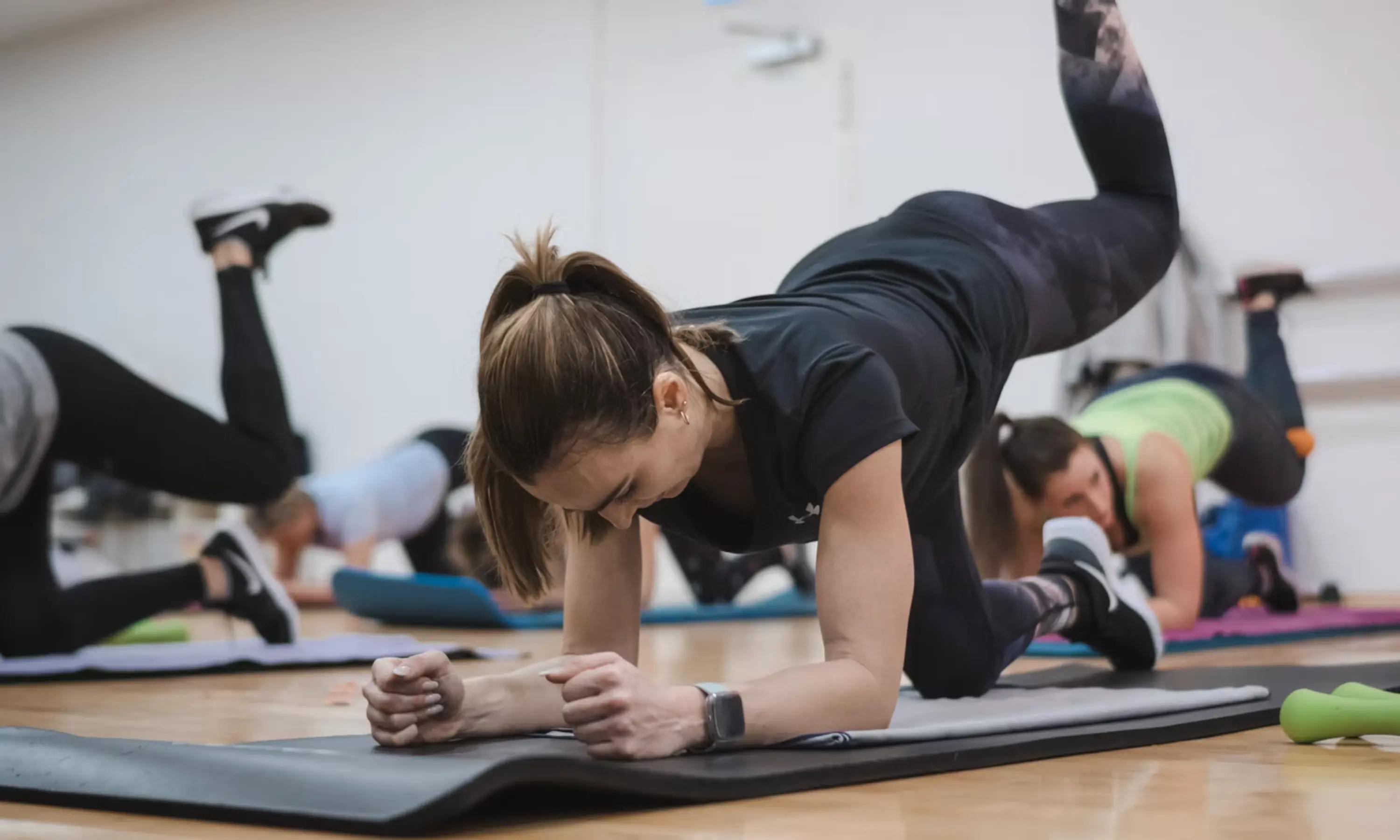
Workout restores structure to the days. Each session occupies a specific space in the week and helps rebuild a rhythm that inevitably tends to become more flexible during the summer. After months of alternating commitments without a precise schedule, the body rediscovers simple references: a schedule, a series of exercises, a progression to follow.
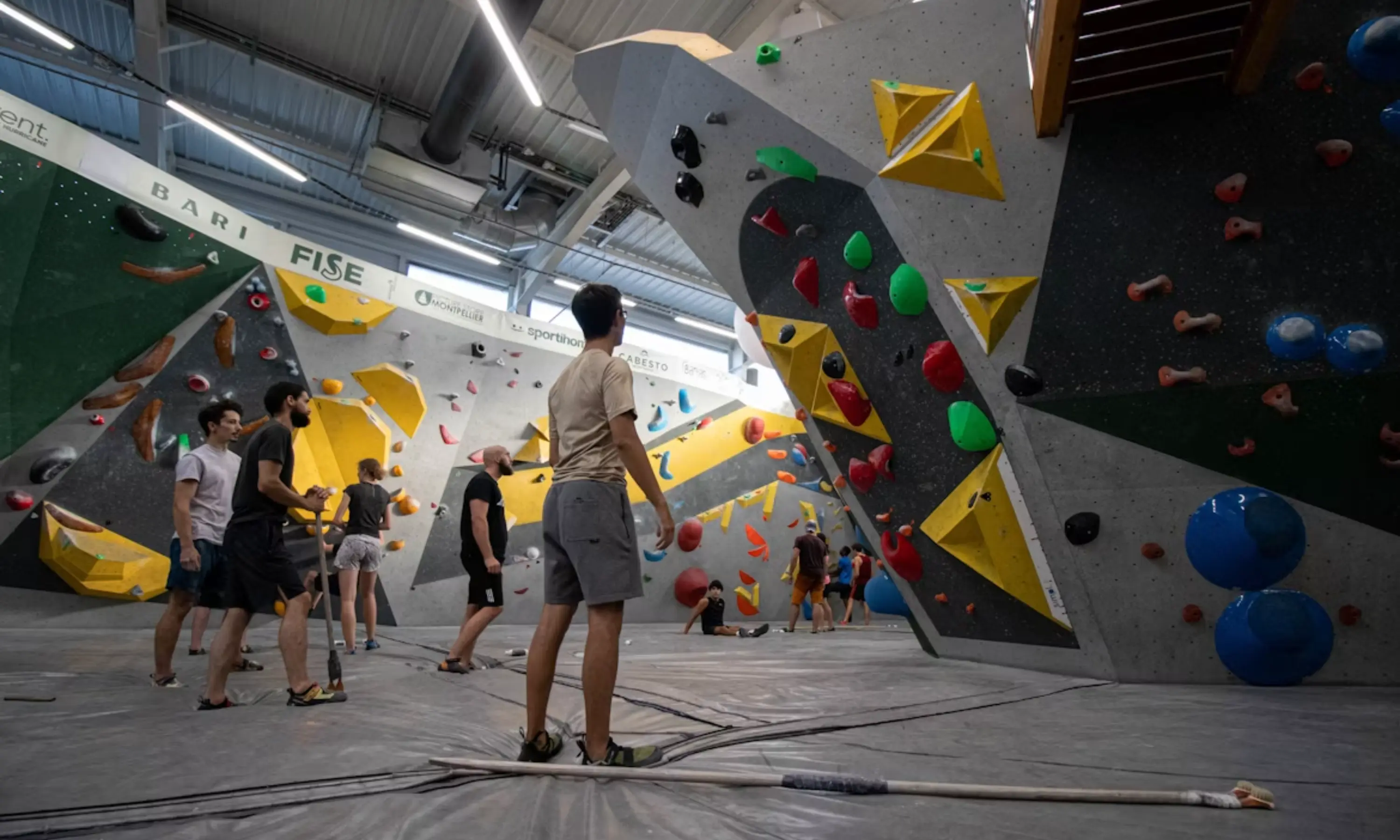
This is also why indoor sports continue to grow. Gyms, Pilates studios, functional training studios, yoga studios, and indoor climbing centers meet different needs, but they share the same characteristic: they offer continuity. Entering one of these spaces means knowing what will happen in the next hour, during a time of year when work and commitments begin to pile up again.
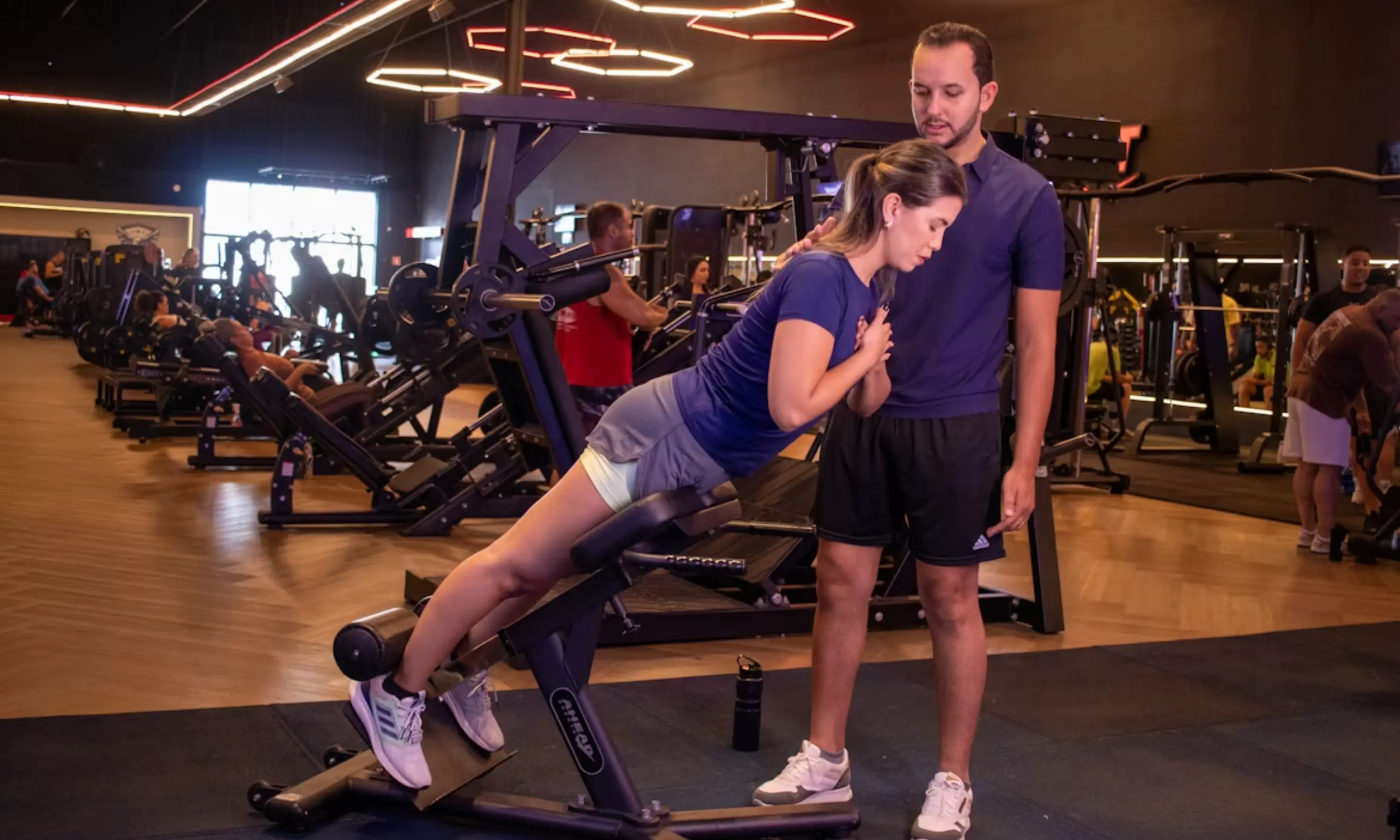
The gym has also become one of the most stable social spaces in adult life. With college years over and workdays increasingly fragmented, the opportunities to meet people on a regular basis diminish. Training, however, creates a spontaneous community. People recognize each other, greet each other, share the same schedule, and, as the months pass, relationships are built that arise without being planned. The idea of the gym as a place exclusively dedicated to performance is giving way to a broader vision, in which training, health, and quality of life end up overlapping.
This change also affects the way we look at the body. For a long time, physical activity was associated almost exclusively with aesthetics. Today, there's a growing focus on energy, mobility, posture, and overall well-being. Visible results continue to matter, but more and more people are looking for something that will last even when the mirror no longer serves as the primary measure of their progress.