Independent cultural spaces: the value of small artistic realities
11 November 2026
Small cultural spaces, independent galleries, and artist-run spaces: how these entities support artistic research and engagement with the public.
In recent years, the success of a cultural institution has primarily been measured in numbers: visitor figures, tickets sold, blockbuster exhibitions, and the ability to attract an international audience. While these are important indicators—especially for organizations facing high operating costs—they capture only a fraction of the value generated by culture. There are spaces that work with only a few dozen people at a time, organize exhibitions on limited budgets, and cultivate ongoing relationships with artists and local communities. Their contribution can hardly be measured using the same metrics applied to large museums.
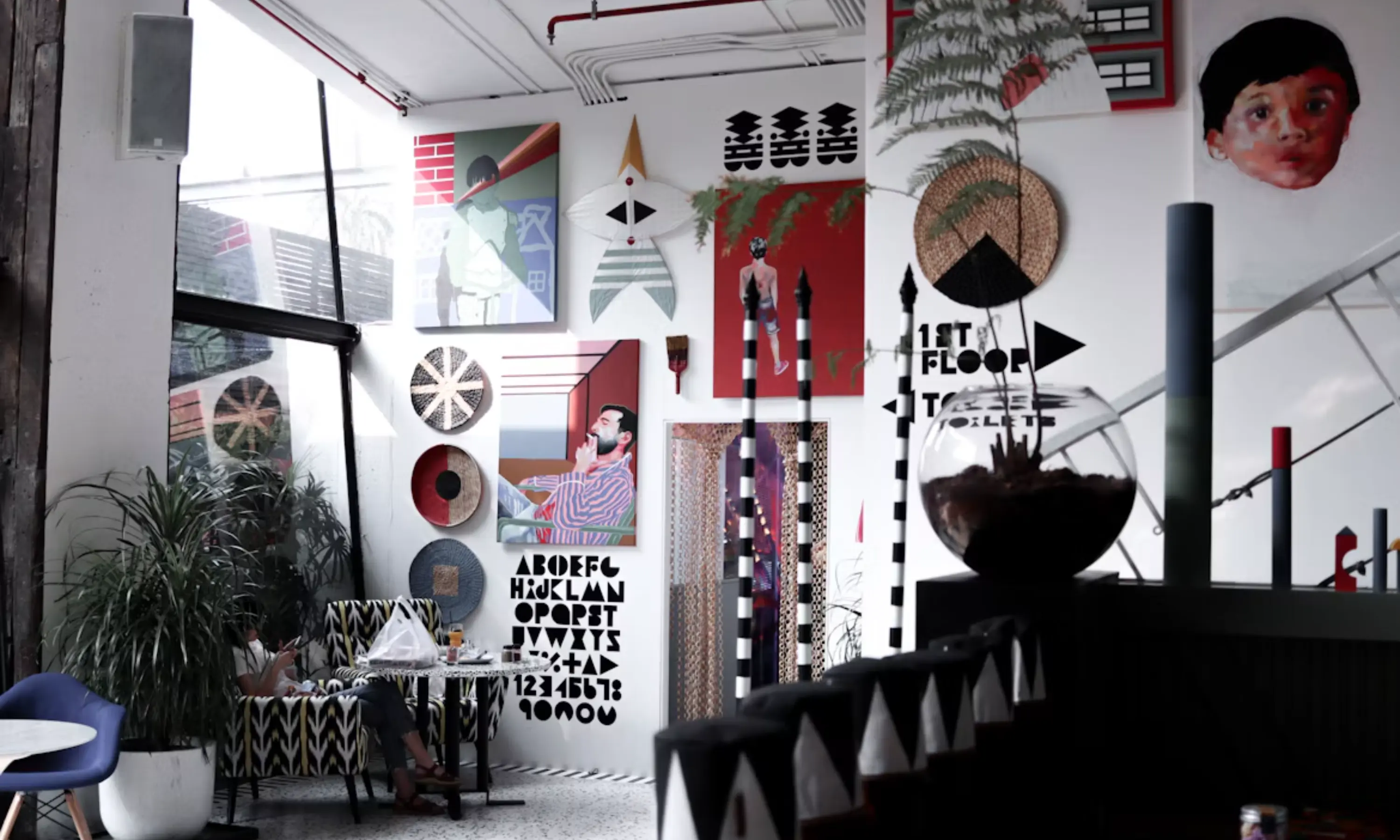
Artist-run spaces—venues managed directly by artists—represent one of the most compelling expressions of this model. Their history spans much of the 20th century and continues today in many European cities. In Florence, for example, Toast Project Space has developed an independent exhibition program within a small area repurposed from the former porter’s lodge of a building. The limited scale becomes a defining feature of the project, shaping how artists conceive and present their work.
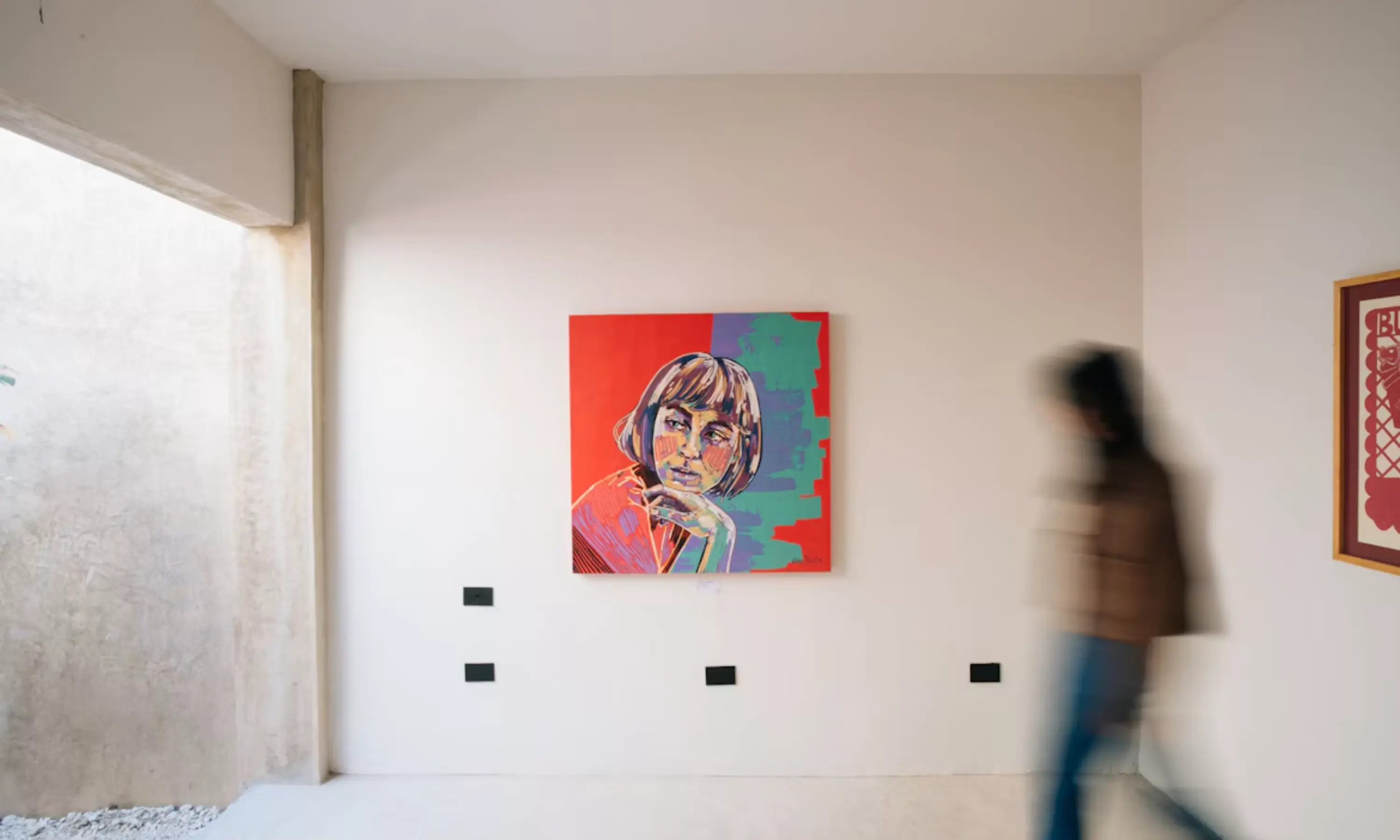
In Milan, initiatives like Current have experimented with exhibition and project formats that exist outside traditional circuits. Such spaces offer emerging artists opportunities for dialogue and production that they might not readily find within large-scale institutions. Furthermore, the close proximity between organizers, exhibiting artists, and visitors fosters conversations that are not always possible in more crowded, high-traffic exhibitions.
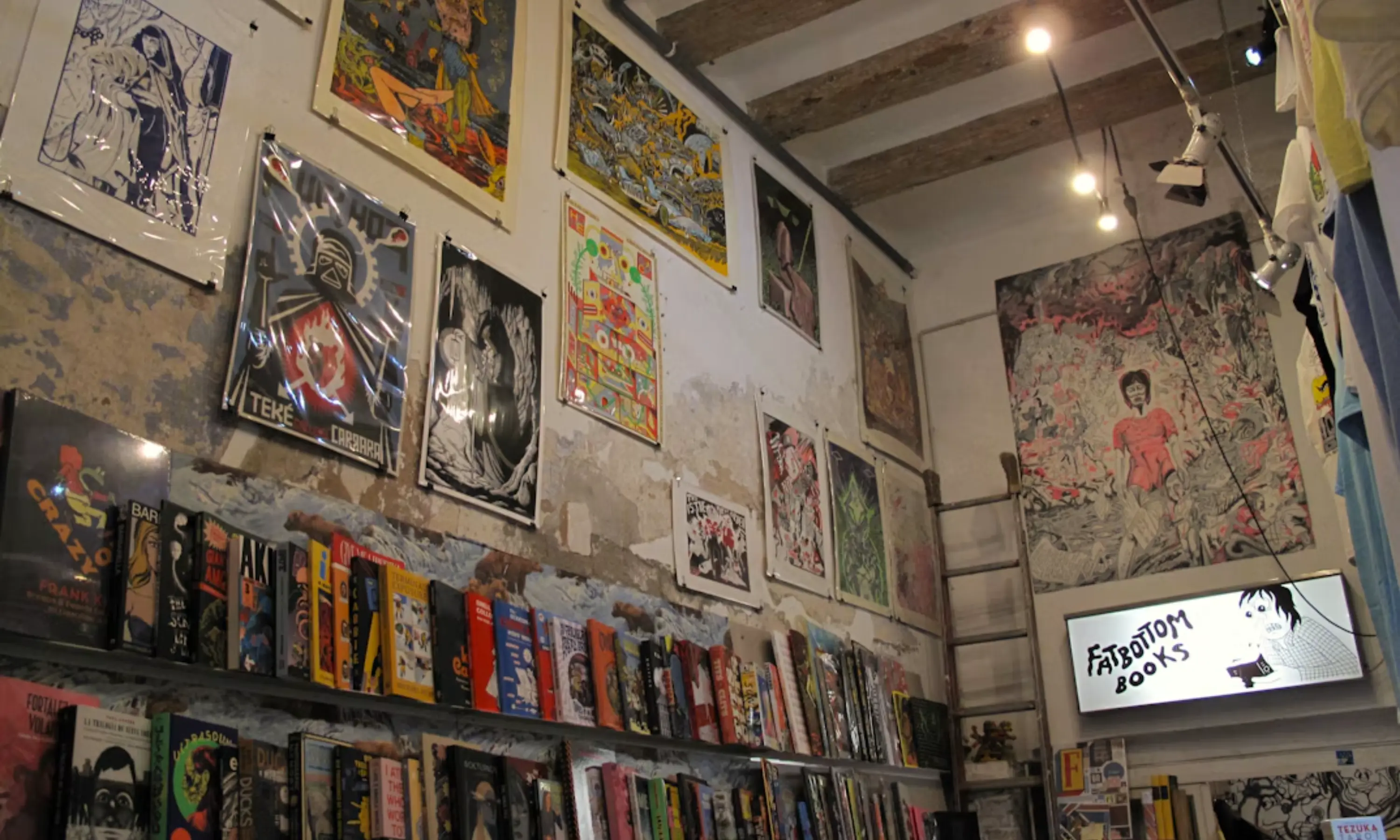
Naturally, operating on a small scale brings concrete challenges. Rent, production costs, and the need to maintain a consistent program often leave these projects dependent on volunteer labor, collaborations, and sporadic funding. Cultural independence does not automatically equate to economic sustainability; often, the freedom to experiment comes at the cost of precarious working conditions.
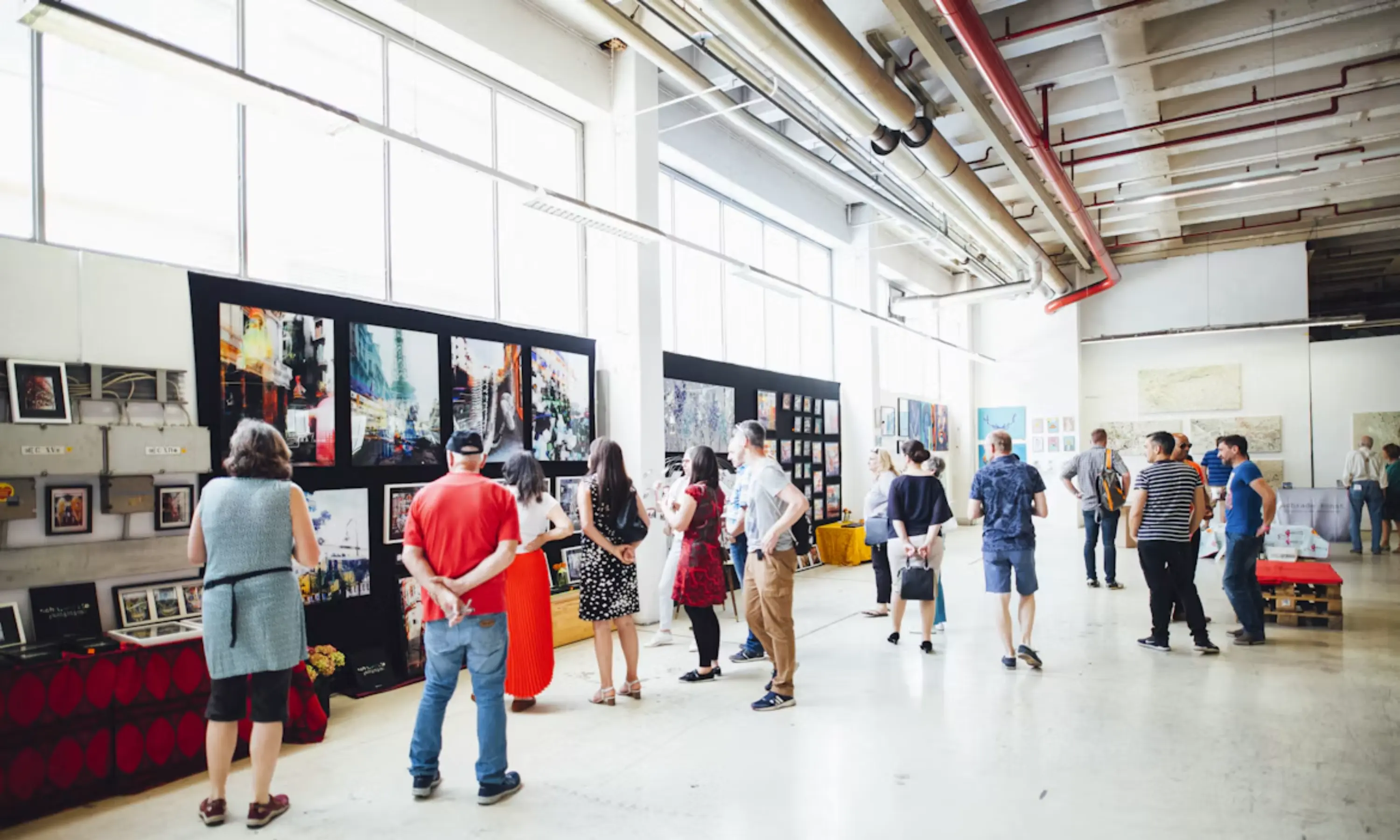
There is also another aspect to consider. A very small cultural space can serve as an open, accessible environment for research, but it can just as easily turn into a closed circle frequented almost exclusively by industry insiders. Intimacy only fosters meaningful exchange when there is a genuine willingness to welcome people who may not already possess the tools to interpret what is being presented.
The most compelling independent initiatives manage to strike this balance: they maintain the freedom to offer complex content while staying deeply connected to their local context. An exhibition visited by only fifty people can spark collaborations, new projects, and professional relationships that may endure for years. While these outcomes are less immediately apparent than raw attendance figures, they are essential to understanding how a cultural environment develops.