Slow travel: the pleasure of leaving without rushing
03 November 2026
From scenic Alpine train journeys to weekend spa retreats, "slow travel" offers a different way to travel—one that leaves more room for the landscape, for rest, and for time spent on oneself.
Planning a weekend getaway often means trying to pack as many experiences as possible into just a few days. We choose the most convenient travel times, minimize transit, and book activities and restaurants well in advance. The result is that even our leisure time ends up feeling like a workday, filled with a succession of appointments to keep. Yet, there are trips that operate on a different logic—journeys where the duration and the anticipation themselves become part of the experience.
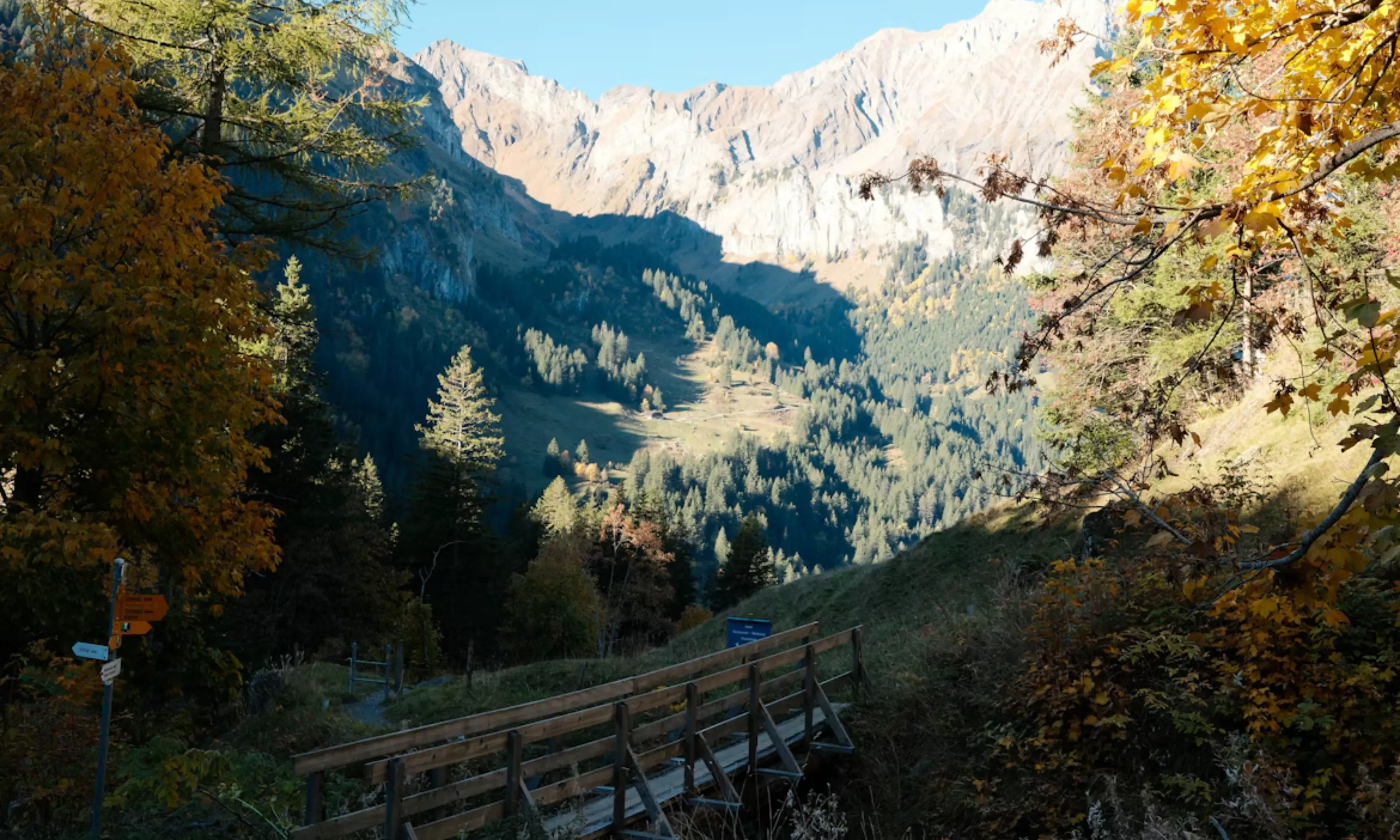
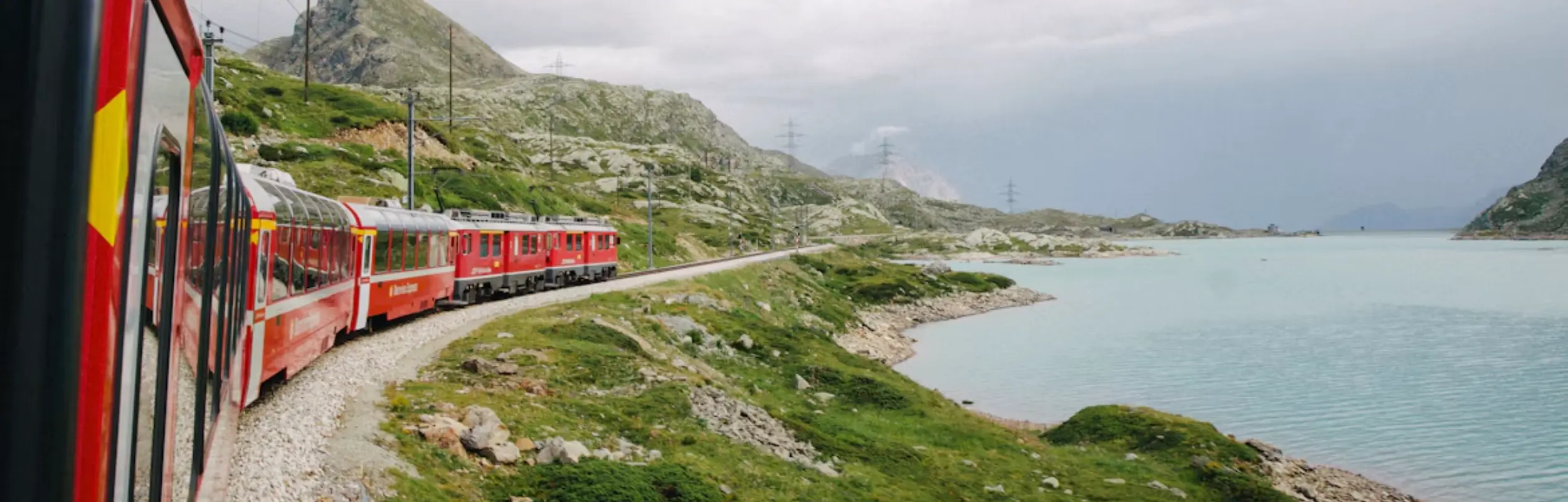
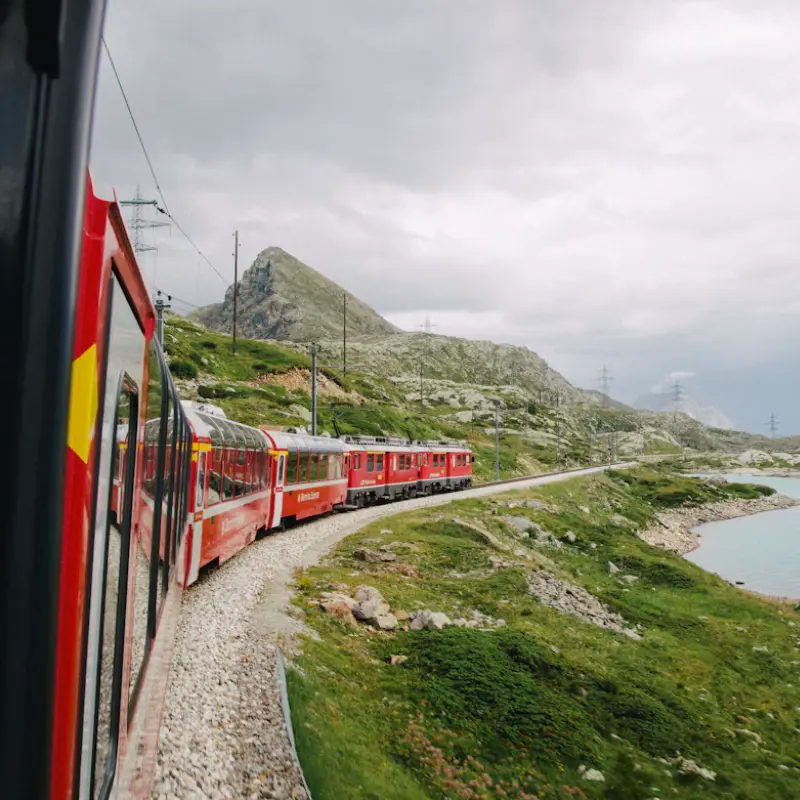
The train is perhaps the best embodiment of this approach. Traveling through a landscape without the need to drive allows you to observe the terrain with a continuity that other modes of transport rarely offer. The Bernina Express, which connects Switzerland to Italy by traversing the Alpine scenery along the Rhaetian Railway, is a perfect example. In autumn, the forests shift in color, while the higher altitudes offer an early glimpse of winter. The route winds through diverse environments, providing a tangible sense of distance and geography.
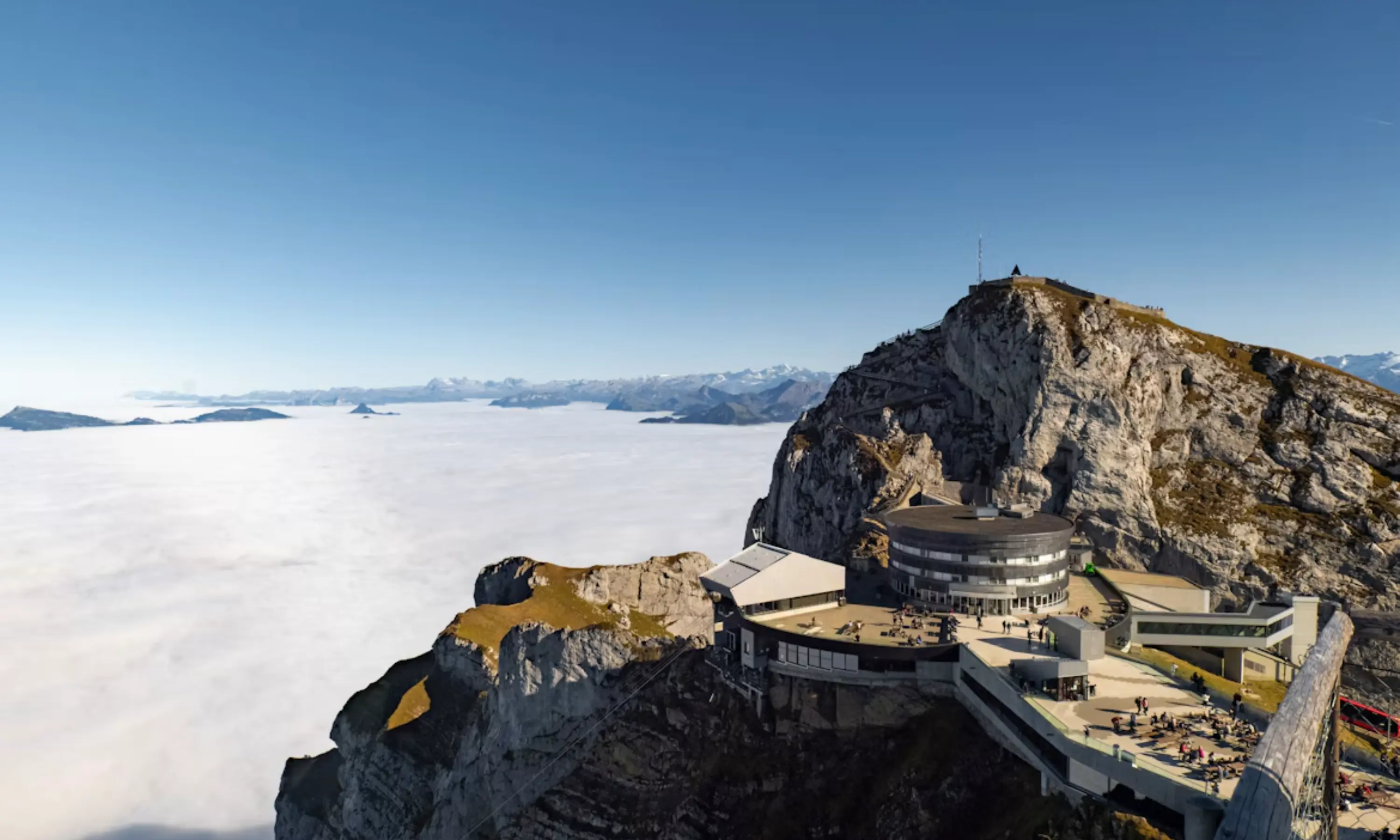
A similar, though distinct, experience is offered by the GoldenPass Express, which runs from Interlaken to Montreux, passing through some of Switzerland’s most iconic landscapes. In both cases, the time spent on board takes on a value of its own: the journey itself becomes one of the primary reasons for setting off.
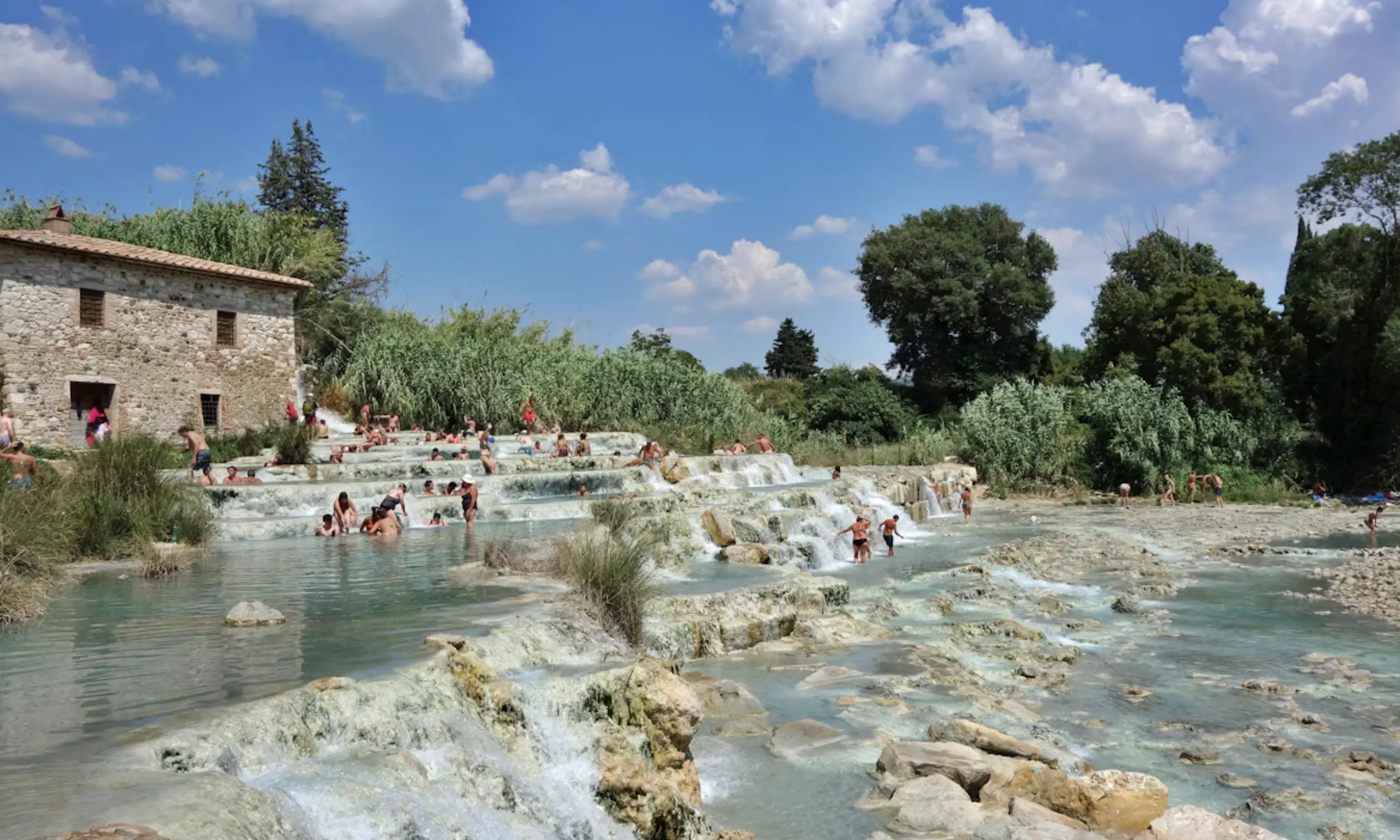
For those who prefer to stay put rather than venture out to discover new places, a weekend at a spa can be an appealing alternative. In locations like Saturnia, in Tuscany, or Vals, in Switzerland, a stay can be centered around just a few simple activities: a soak in the thermal waters, a leisurely walk, and a dinner without any rigid schedule. In Vals, in particular, the thermal baths designed by architect Peter Zumthor are worth a visit for their architecture alone—a design centered on the use of local stone and natural light.
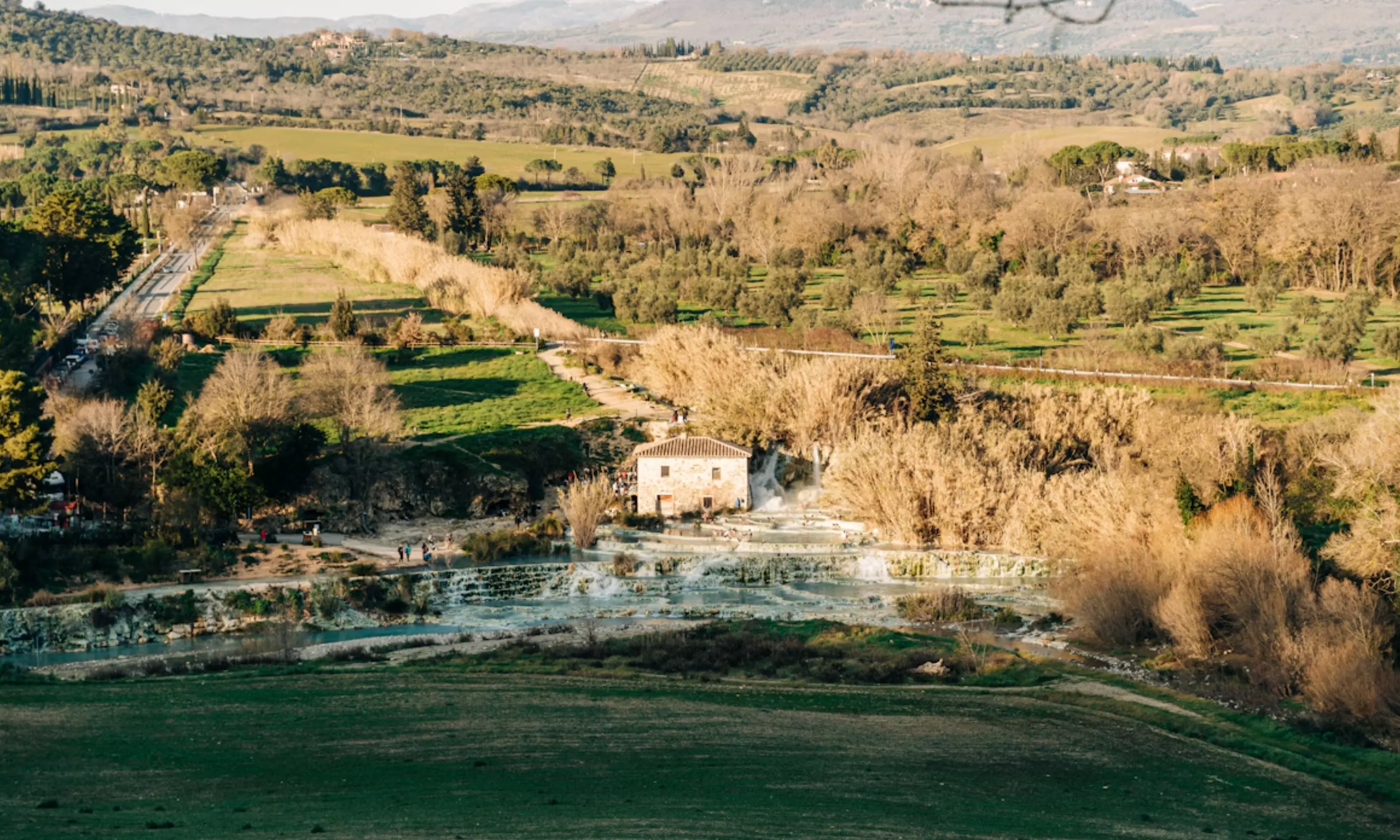
This way of traveling requires a capacity that is far from guaranteed today: the willingness to accept that some hours need not necessarily be productive. Slowness, of course, does not automatically ensure a better experience. A scenic train ride can turn into a crowded tourist attraction, just as a spa complex can end up replicating the same patterns of consumption found at any other tourist destination. What matters, instead, is how we choose to spend our time.
Perhaps this is the most compelling possibility offered by "slow travel": discovering the extent to which we are still capable of spending an entire day without feeling the need to fill it with something.