Taste as cultural capital
21 October 2026
Restaurants, ingredients, and new gastronomic rituals increasingly define who we are. Eating well has also become a way to build social status.
For a long time, gastronomic status was relatively easy to recognize. Expensive restaurants, prestigious wines, formal service, and rare ingredients created a clear hierarchy where financial means and prestige tended to go hand in hand. Today, that relationship has become far more interesting.
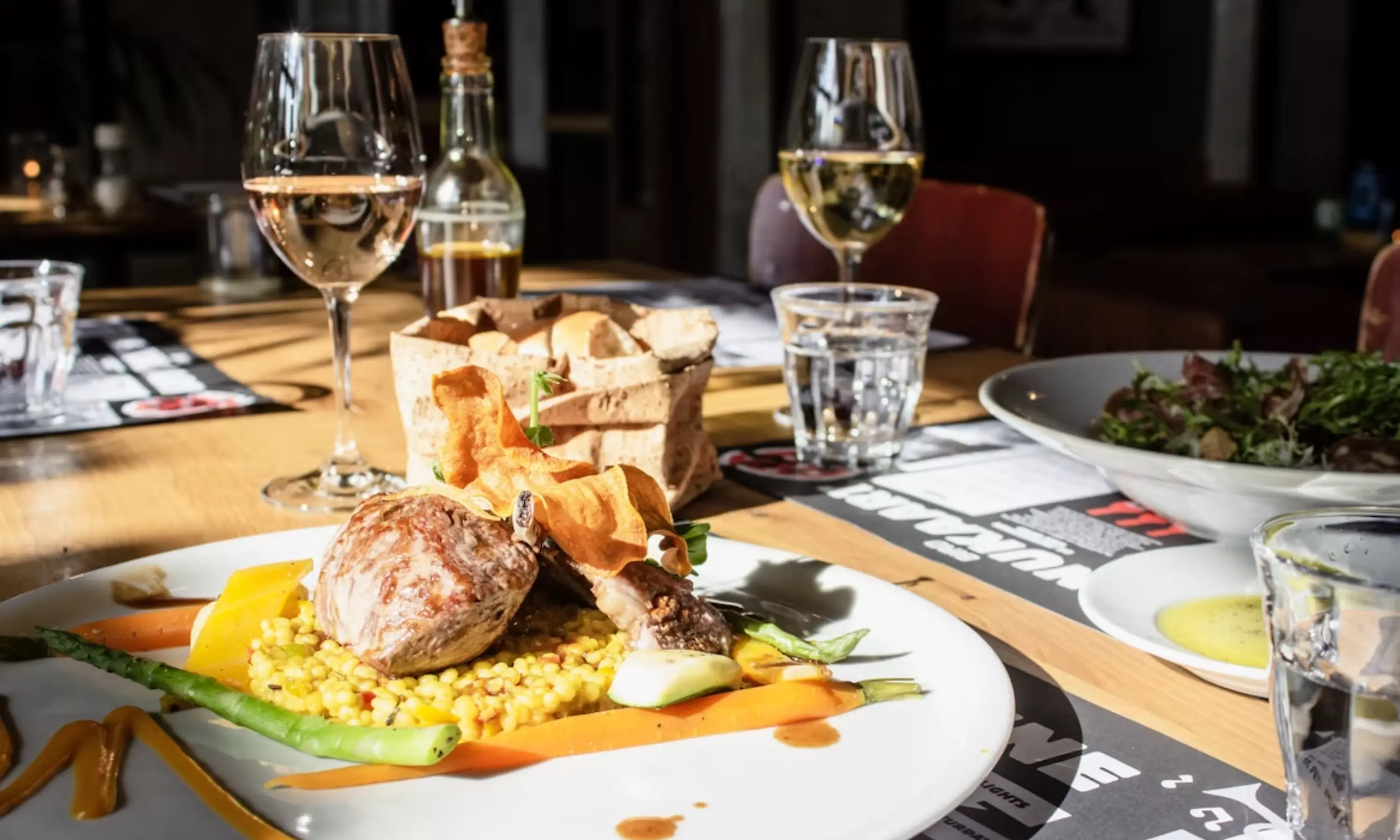
A coveted table might be found in a Michelin-starred restaurant or in a tiny trattoria with only ten seats. A natural wine from a small producer can signal greater expertise than a far more expensive label. The same applies to specialty coffee, artisanal bakeries, fermentation, rediscovered regional cuisines, markets, and discovering spots before they go mainstream.
Value has gradually shifted from price to the ability to choose.
This does not mean gastronomy is any less tied to status; it simply makes it more sophisticated. Knowing where to book, recognizing quality ingredients, knowing a producer, or understanding a wine list are forms of cultural capital—information that allows one to navigate the scene while simultaneously signaling one's own standing.
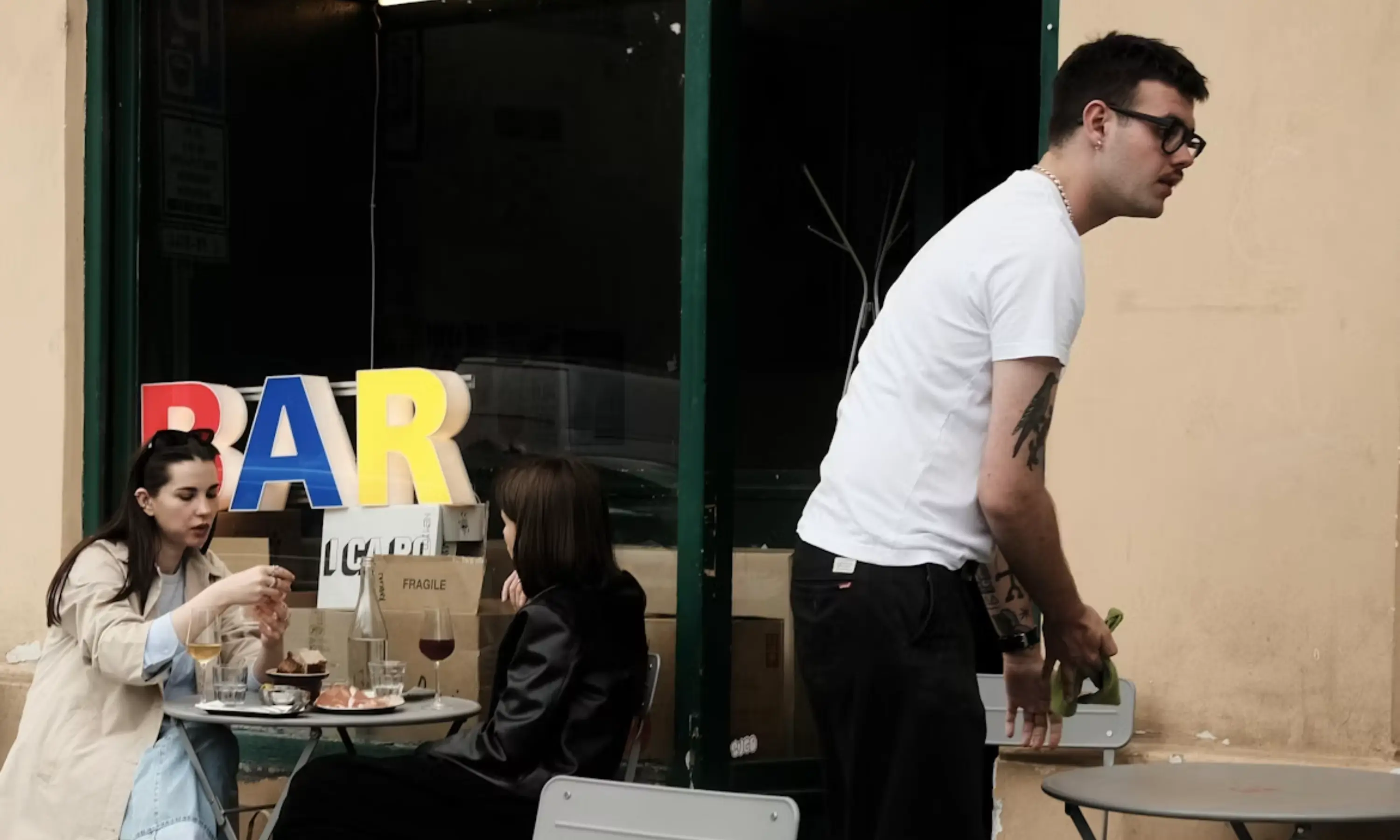
Social media has vastly accelerated this process. A 2026 study on culinary tourism in Amsterdam analyzed venues that became international destinations thanks to TikTok. People discover a food item in their feed, physically travel to the venue, wait in line, document the experience, and create new content that fuels the same cycle. In this system, the queue is no longer just a wait; it becomes visible proof of the venue's desirability.
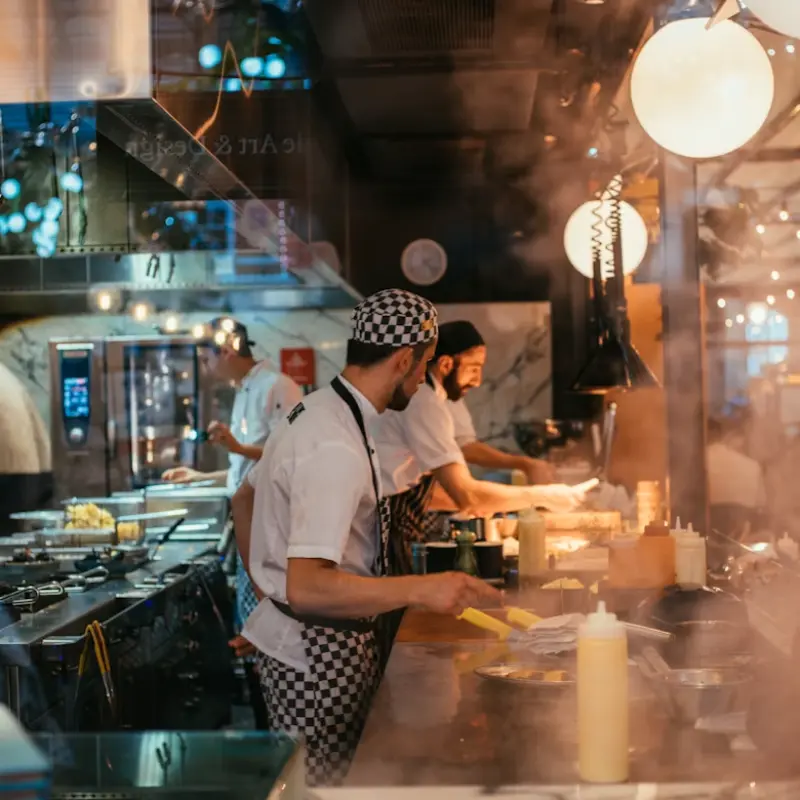
This mechanism explains why people today might wait a long time for a relatively simple product. The value lies not necessarily in its material rarity, but in the opportunity to participate in something that holds cultural relevance at that moment. Even fine dining is embracing this shift. Michelin identifies the return of open-fire cooking, tableside service, and formats that place the interplay between the dining room, the act of serving, and the preparation itself back at the center as key trends for 2026. The gastronomic experience gains value through the elements that surround the dish and shape its context.
Dining naturally remains a matter of taste, yet our choices increasingly serve to tell our own stories. There are those who know the latest hotspot, those who seek out an elusive producer, those who recognize a specific processing method, and those who arrive after seeing the same dish on a screen fifty times over.
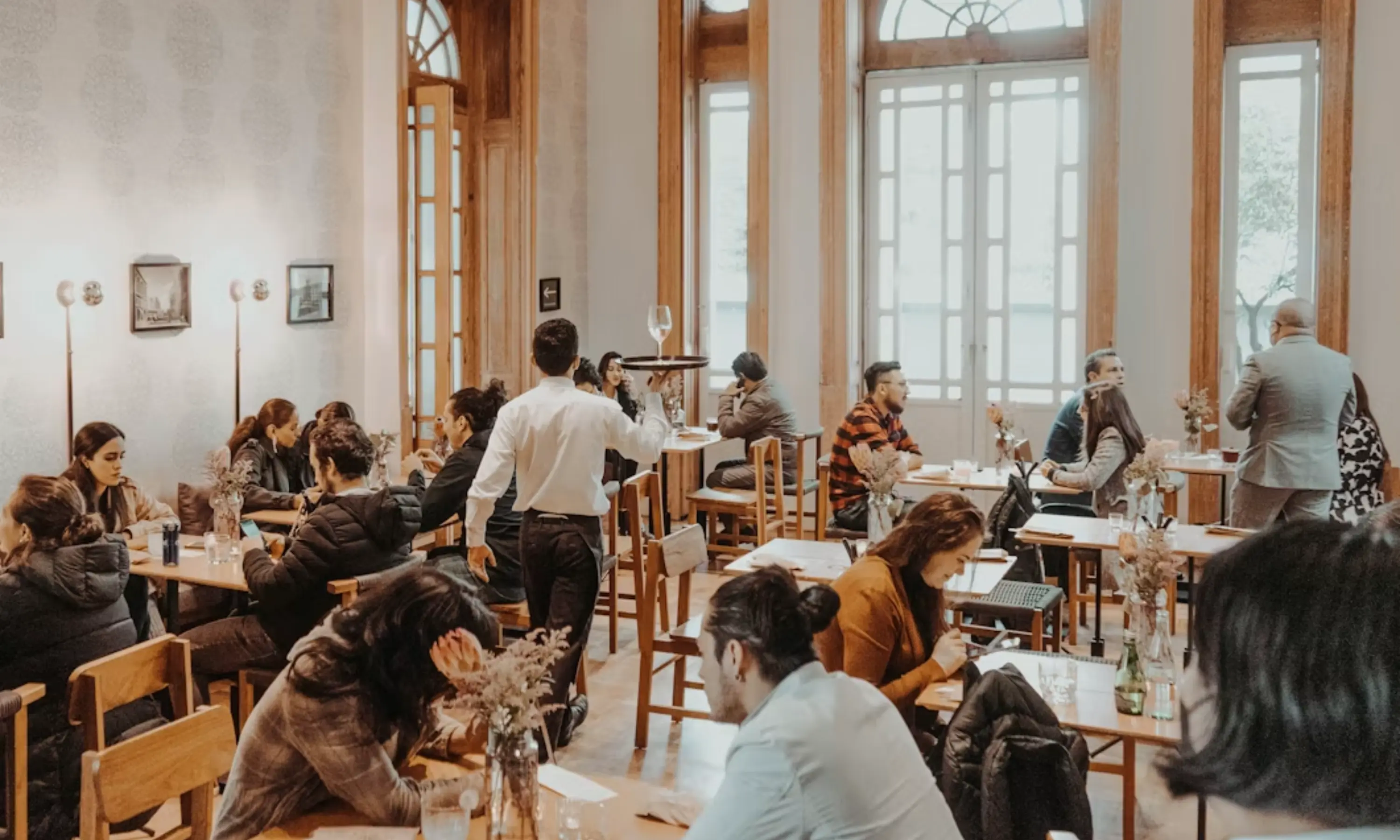
These are vastly different behaviors, yet they share a common transformation: food has become a language through which we make our interests, knowledge, and affiliations visible. The bill still tells a story, but knowing why we chose that particular table—in this day and age—likely reveals far more.