Anatomy of a Leader
16 October 2026
Charisma, authority, and a winning track record have shaped the image of the sports leader. Yet, the way a team is led is becoming increasingly complex.
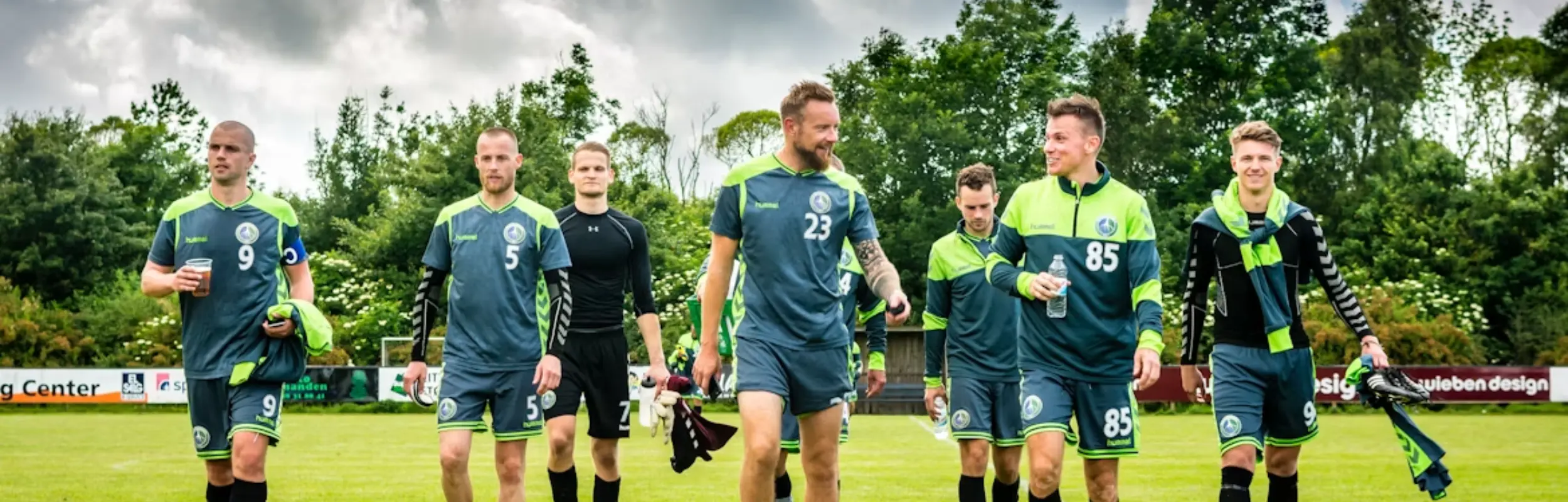
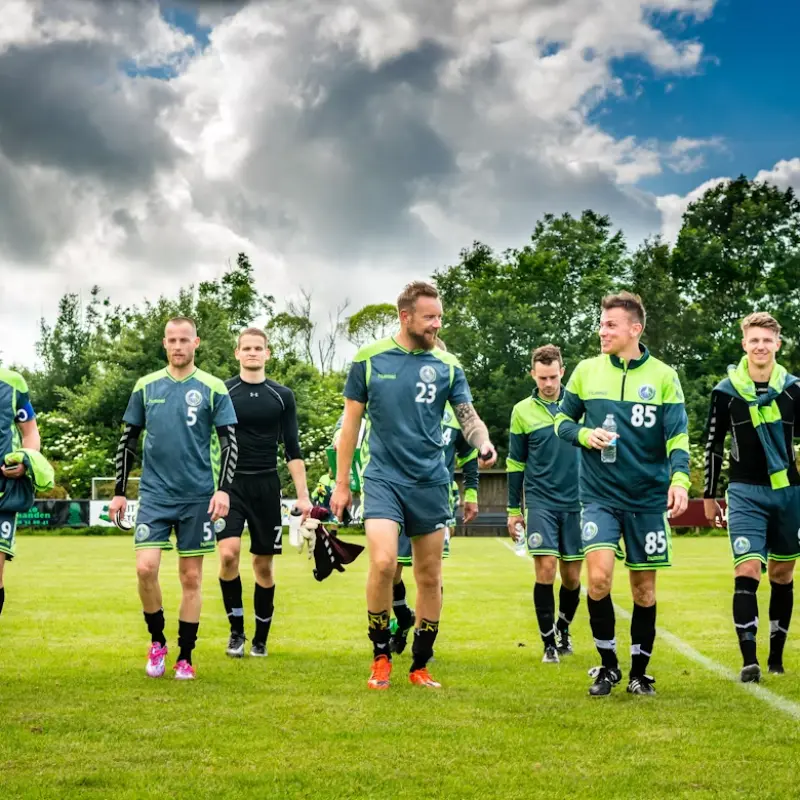
When a team hits a rough patch, cameras and spectators almost instinctively look for someone: the captain rallying teammates, the coach intervening from the sidelines, or the player ready to take responsibility for the final play. Sport requires visible leadership and has developed a distinct aesthetic to portray it.
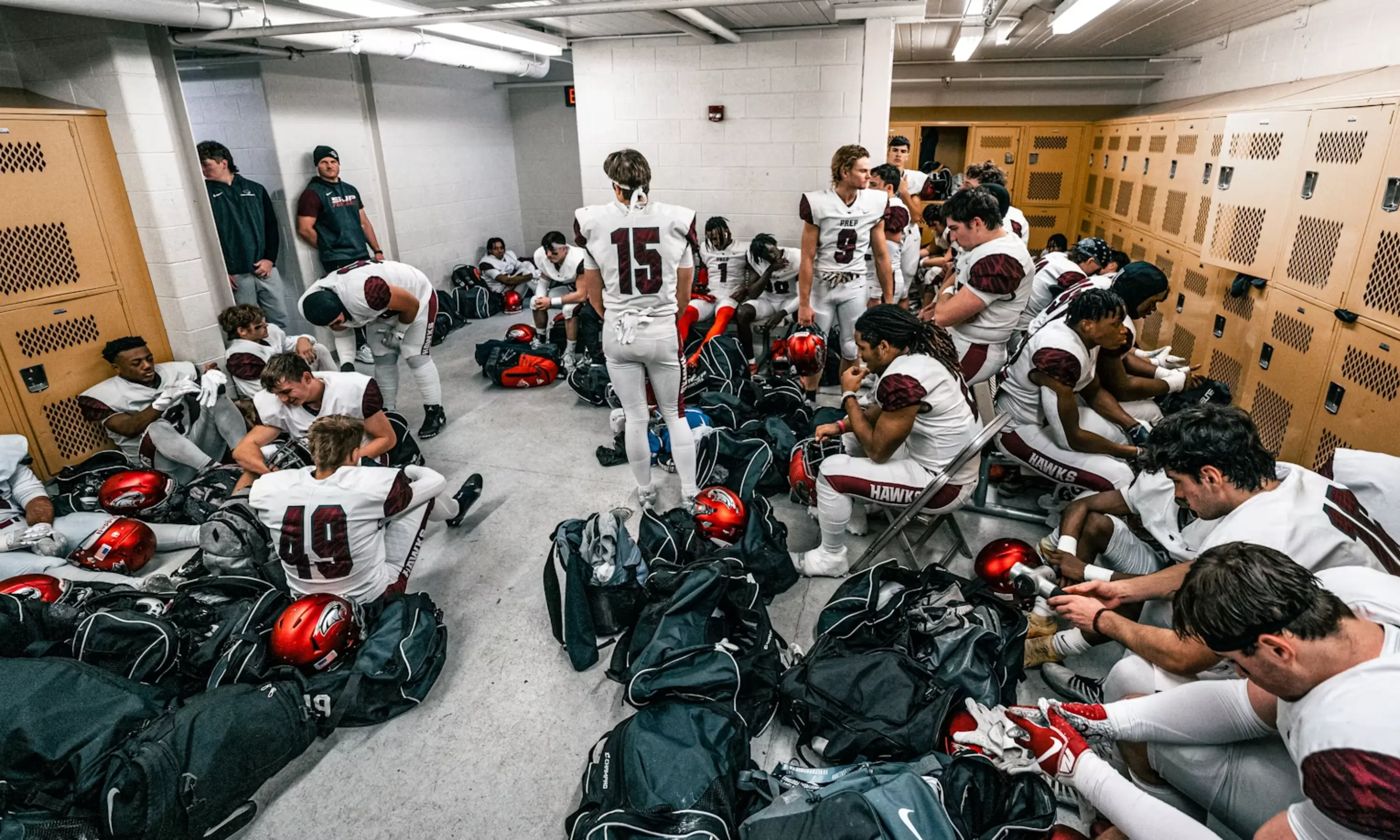
A leader must look the part. In soccer, we recognize this in their posture, their voice, and the way they confront an opponent or command the locker room. In Formula 1, the confidence with which a driver speaks over the radio reinforces their authority. In tennis—where there is no team to hide behind—how a player carries themselves after a mistake is scrutinized almost as closely as the next shot.
This portrayal is powerful because it makes something far more complex in reality instantly readable. A 2025 meta-analysis—drawing on 50 studies and over 17,000 athletes—found a positive link between leadership and athletic performance, particularly regarding captains. However, models such as transformational and authentic leadership show the strongest associations with performance.

This entails shifting the focus from overt gestures to relationships. An athlete can demonstrate leadership by boosting teammates' confidence, upholding high training standards, taking responsibility during tough moments, or improving the group's dynamics—without necessarily being the loudest voice in the room.
Sports culture, however, continues to prioritize what makes for a good story. A locker-room speech makes it into a documentary, a goal celebration becomes an iconic image, and a clash with an opponent fuels a narrative. The thousands of small, everyday actions through which authority is truly built almost always remain out of the spotlight.

This is partly why we tend to confuse leadership with personality. Exceptional talent automatically confers status; confidence is interpreted as command ability, and aggression as the will to win. These are traits a leader might possess, but they are not enough to create one.
Modern sports are further complicating this model. Data analysis, fitness coaches, psychologists, and increasingly large, specialized technical staffs have distributed the expertise that was once symbolically concentrated in the coach or the captain. Command does not disappear, but it becomes less top-down and harder to embody in a single figure.
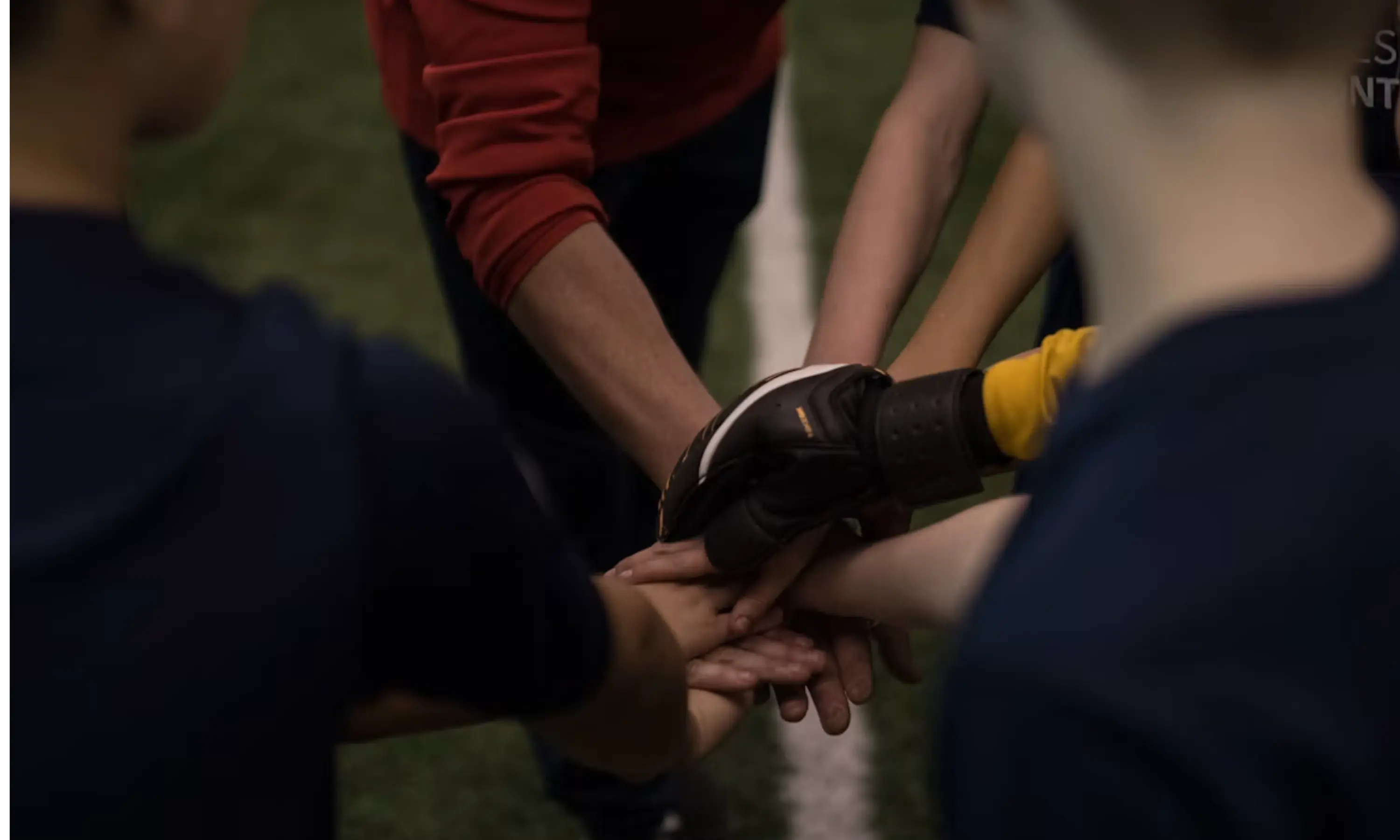
We will likely continue to look for the player who carries the team on their shoulders, as it is a perfect image for telling the story of competition. Meanwhile, within a group, leadership will continue to be forged away from the cameras: in how one reacts to a mistake, protects a teammate, accepts a decision, or upholds a standard when there is nothing immediate to be won.