Has the body become a resume?
28 October 2026
Exercise, nutrition, posture, and self-care have become hallmarks of success. Today, the body communicates far more than mere beauty.
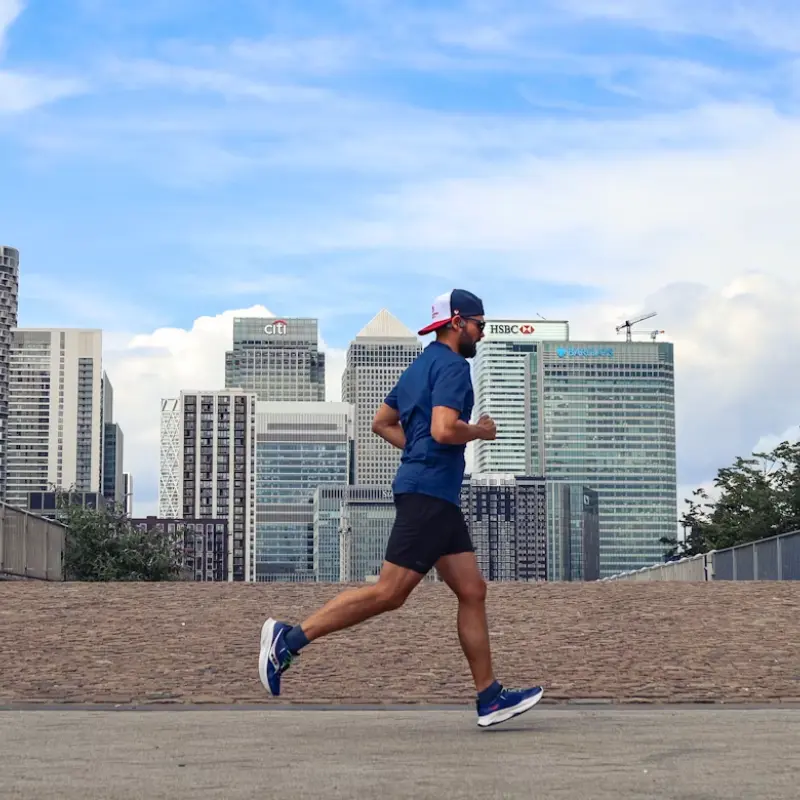
A 6 a.m. gym session, a run before heading to the office, sleep tracked by a smartwatch, a controlled diet, a skincare regimen, carefully chosen attire—taken individually, these are behaviors linked to health, pleasure, or aesthetics. Yet, combined, they form one of the most recognizable images of contemporary success: that of a person capable of managing themselves.

It is no longer just a matter of beauty. To gain social and professional value, the body must, above all, appear well-managed.
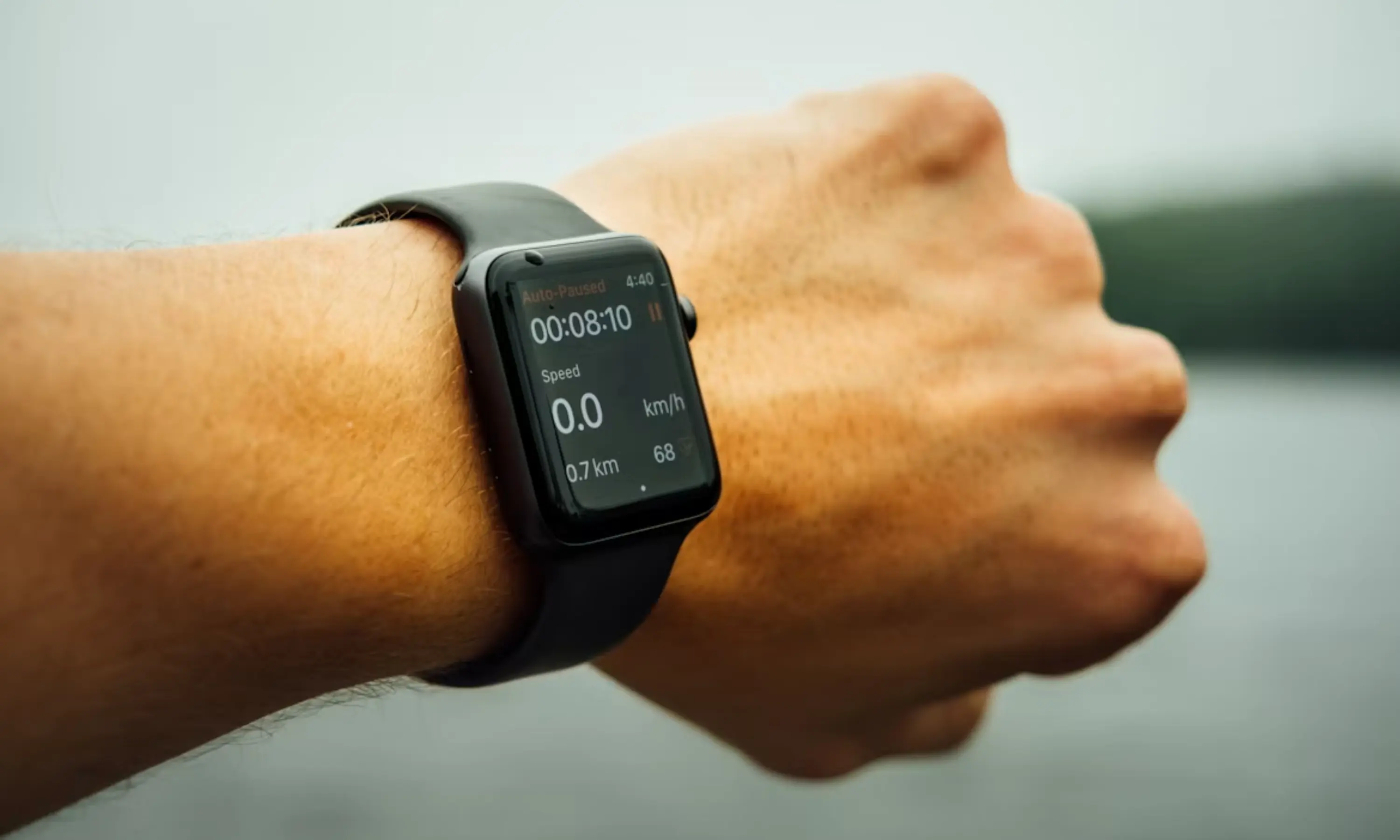
This transformation is evident in our language. Words once confined to the realm of sports—routine, performance, goals, monitoring, recovery, optimization—have entered our daily and professional lives. Through wearables and apps, we can track heart rate, sleep quality, calories burned, distance covered, and recovery times. The body is observed through metrics very similar to those used to measure productivity and results.
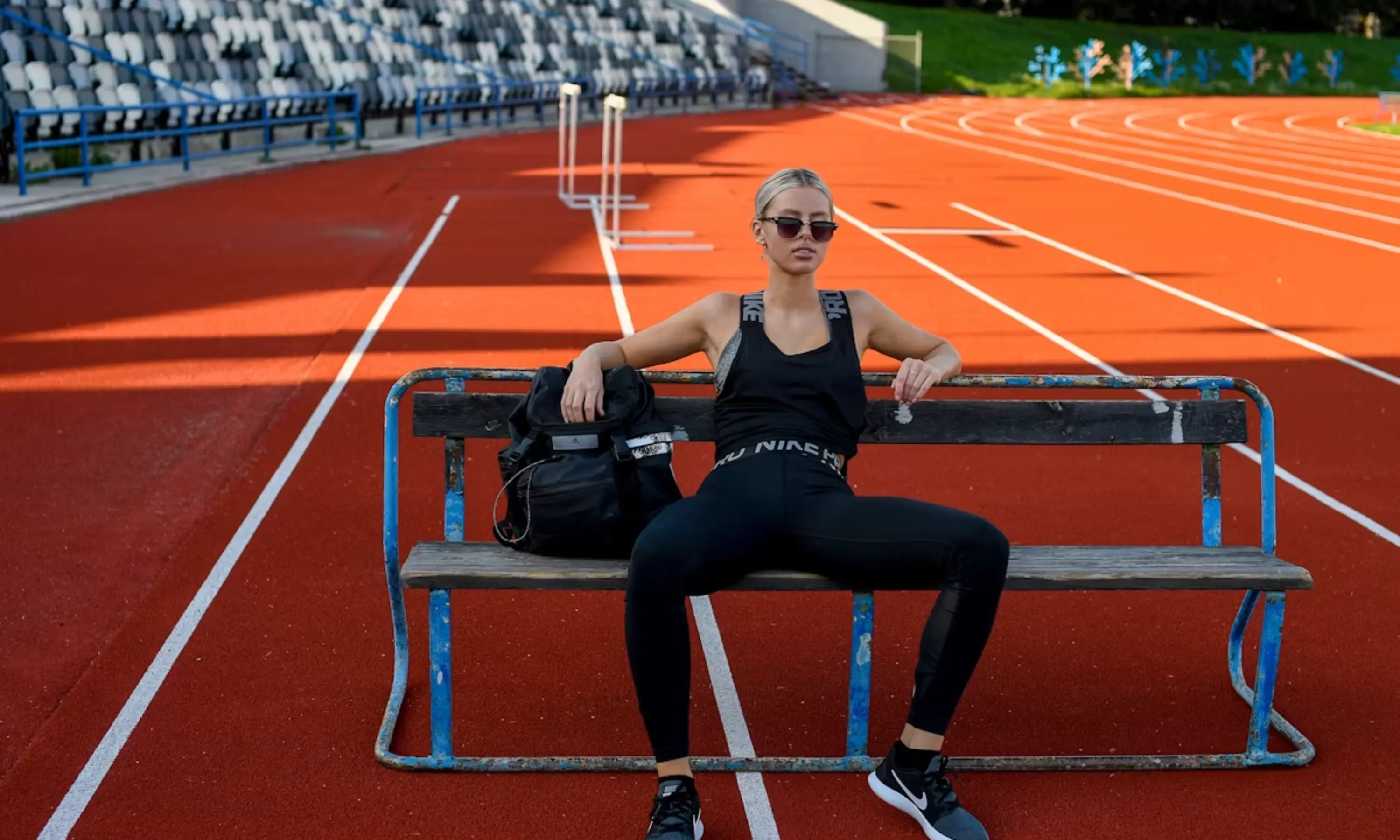
Our professional image has also absorbed these codes. LinkedIn, Instagram, video conferencing, and personal branding have made the body far more visible in jobs that once allowed it to remain in the background. One’s face, clothing, posture, and the environment in which one appears all contribute to building credibility, alongside one's stated skills.
Furthermore, research continues to document the existence of a "beauty premium" in the labor market. Various economic studies have long shown a link between perceived attractiveness, job prospects, and income—though the intensity and mechanisms vary depending on the profession, gender, and context. However, reducing everything to beauty fails to capture the full picture of what is happening today.
A fit physique can suggest discipline; well-groomed skin implies the availability of time and resources; and appropriate clothing signals an understanding of the codes governing one's professional environment. Even seemingly private habits—such as running a marathon or following a specific dietary regimen—can become part of a person’s public narrative. The body thus comes to function as a collection of clues from which we infer traits we cannot actually see: perseverance, self-control, energy, and reliability.
Naturally, these inferences are imperfect. Being fit does not make someone more competent, just as looking tired reveals nothing about the quality of their work. Yet, social signals work precisely because they allow for rapid assessments—often before someone has even had the chance to demonstrate their capabilities.
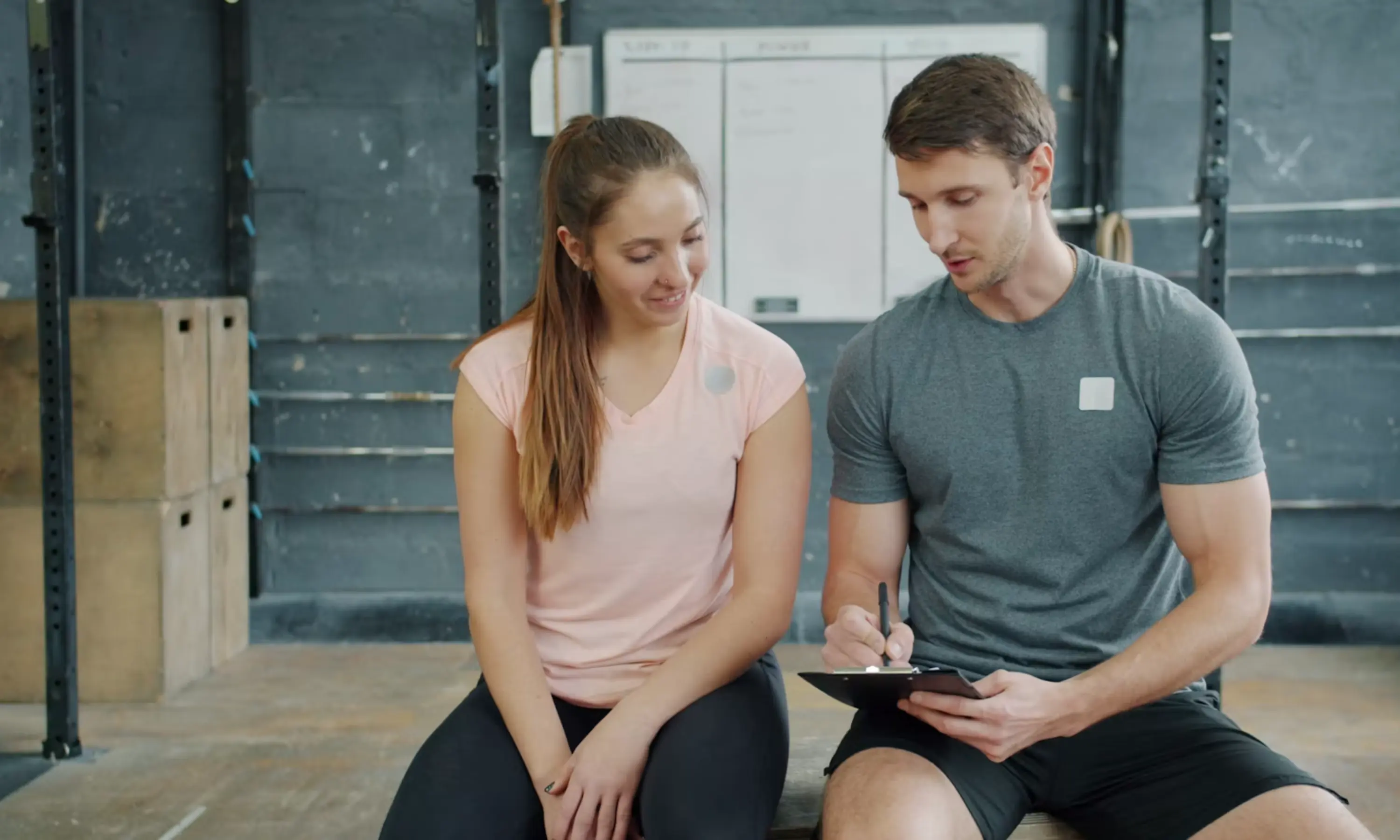
There is also a fundamental difference compared to traditional status symbols. A watch or a car can simply be purchased; a fit body, however, bears witness to the time required to build it. It is simultaneously the result and the story of the process that created it.
In this way, a portion of status has shifted from objects to the individual. We continue to dress ourselves, surround ourselves with possessions, and use brands to communicate who we are, but the body has become an increasingly important medium for that communication. Even before reading a résumé, we are already reading the body.