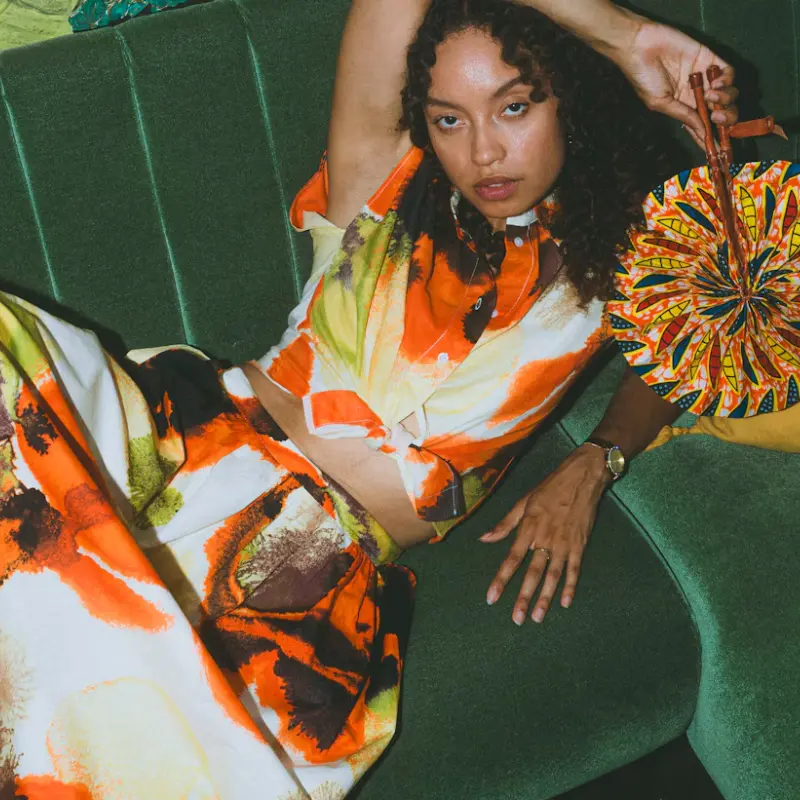
Independent Fashion: New Designers and Brand Identity
06 November 2026
New designers, creative identities, and the challenges of building a brand that remains recognizable beyond fleeting trends.
For a young designer today, gaining recognition means navigating a market where visibility has become nearly as important as the product itself. Collections must perform well in photographs, circulate on social media, capture the attention of buyers, and ideally generate interest even before they reach stores. In this environment, developing a personal design language requires more than just creativity; it involves deciding which compromises to accept—and which core elements of one’s work to protect—rather than sacrificing them for the sake of immediate acclaim.
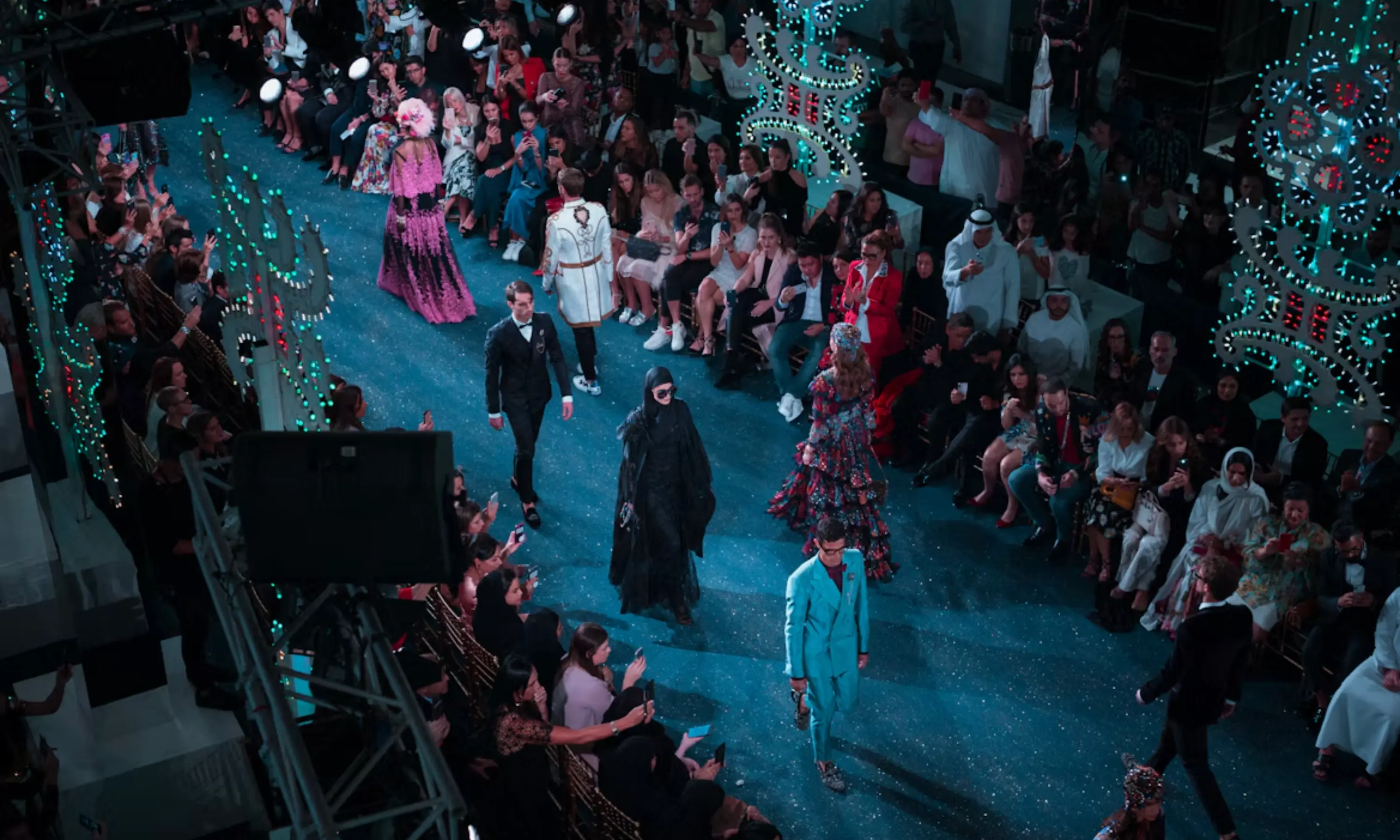
In 2026, *Who What Wear* featured an in-depth look at a new generation of designers, highlighting eight names to watch. It serves as an intriguing starting point for observing how some young creatives are striving to stand out in an industry where even the most original ideas are rapidly absorbed by prevailing trends.

The core issue lies largely in the speed at which contemporary fashion produces and consumes imagery. A distinctive detail, a unique silhouette, or an unusual material can go viral in a matter of days. Yet, the attention garnered by a single collection is no guarantee of building a lasting brand. Success requires production expertise, effective distribution, financial resources, and—most importantly—a clientele that continues to value a project long after it has ceased to be a novelty.

The history of fashion offers significant examples of this tension. Rei Kawakubo, founder of Comme des Garçons, spent years cultivating a design language that challenged conventional garment proportions and dominant notions of beauty. Rick Owens developed an instantly recognizable aesthetic, maintaining remarkable consistency across his clothing, accessories, and overall brand image. While these paths are vastly different—and both are now firmly established within the international fashion system—they underscore the vital importance of developing a coherent vision over the course of many years. For emerging designers, the challenge lies in securing the time needed to do this. While digital platforms offer a level of accessibility unimaginable to previous generations, they also expose designers to constant scrutiny—measured through views, interactions, and commercial performance.

An independent brand is not inherently more interesting than one owned by a large conglomerate, just as a collection that lacks commercial appeal is not automatically innovative. The distinction reveals itself over time, as a designer must demonstrate the ability to evolve their identity through successive collections, rather than simply replicating what proved successful in the past. This process demands consistency, investment, and a certain willingness to defy market expectations.