Off-season travel: five European capitals to visit
09 January 2026
Traveling out of season is not a choice dictated by the calendar, but by the desire to see cities when they stop acting. January removes noise, events, expectations. European capitals return to being inhabited places, not stage sets.
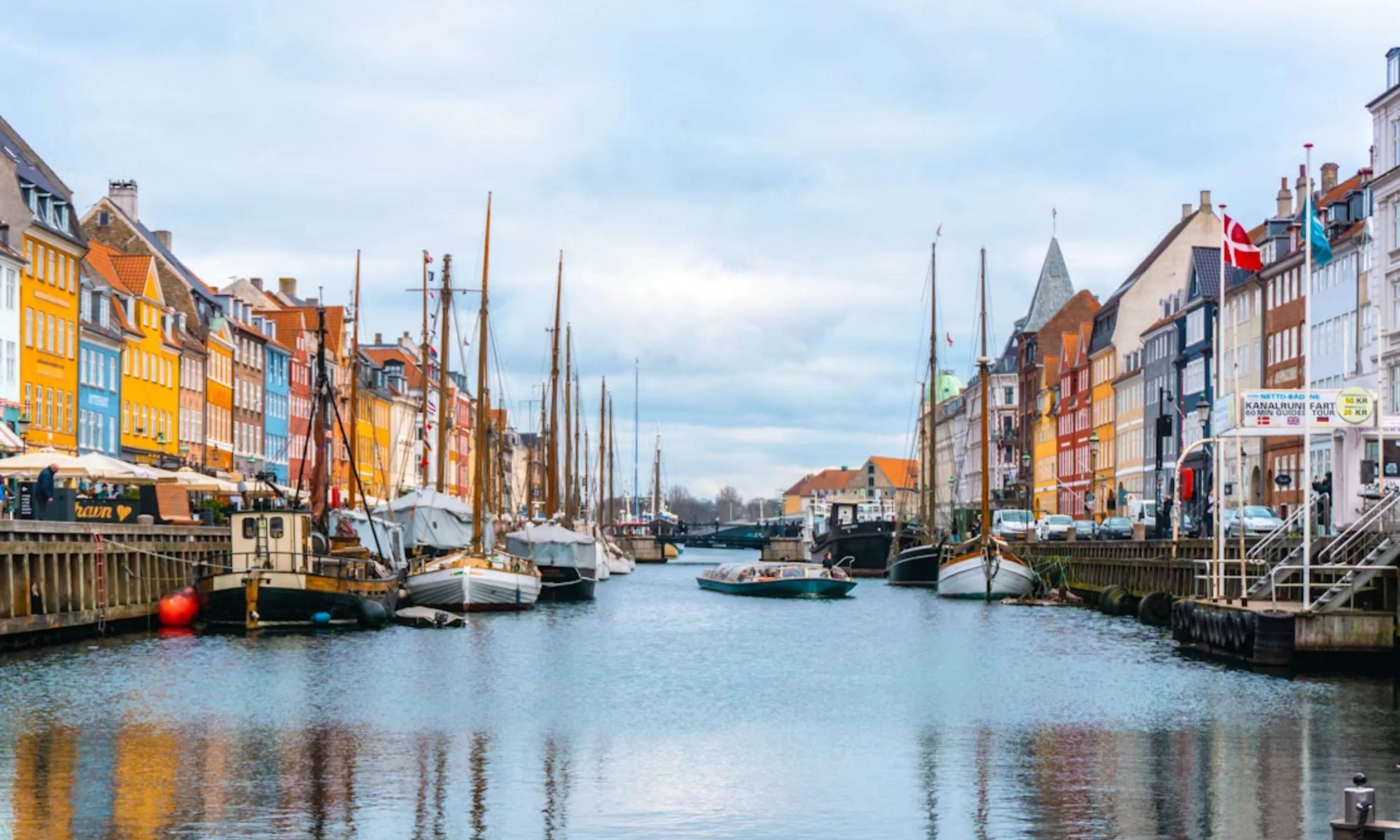
In Copenhagen, winter is an integral part of the urban experience. The reduced hours of daylight move life indoors: cafés, libraries, museums become spaces of permanence, not passage. The city invites you to slow down, to observe how architecture and design respond to a climate that is not tamed, but accepted.
Berlin, out of season, shows its most authentic structure. Without major cultural events, residential neighborhoods, daily habits, and a creativity that works away from the spotlight emerge. It is the ideal time to understand how the city It really works, without mediation.

In Vienna, winter restores depth. Museums are traversed in silence, cafés become places of study and conversation again, not obligatory stops. Monumentality loses emphasis and becomes context, allowing for a more intimate relationship with the urban space.

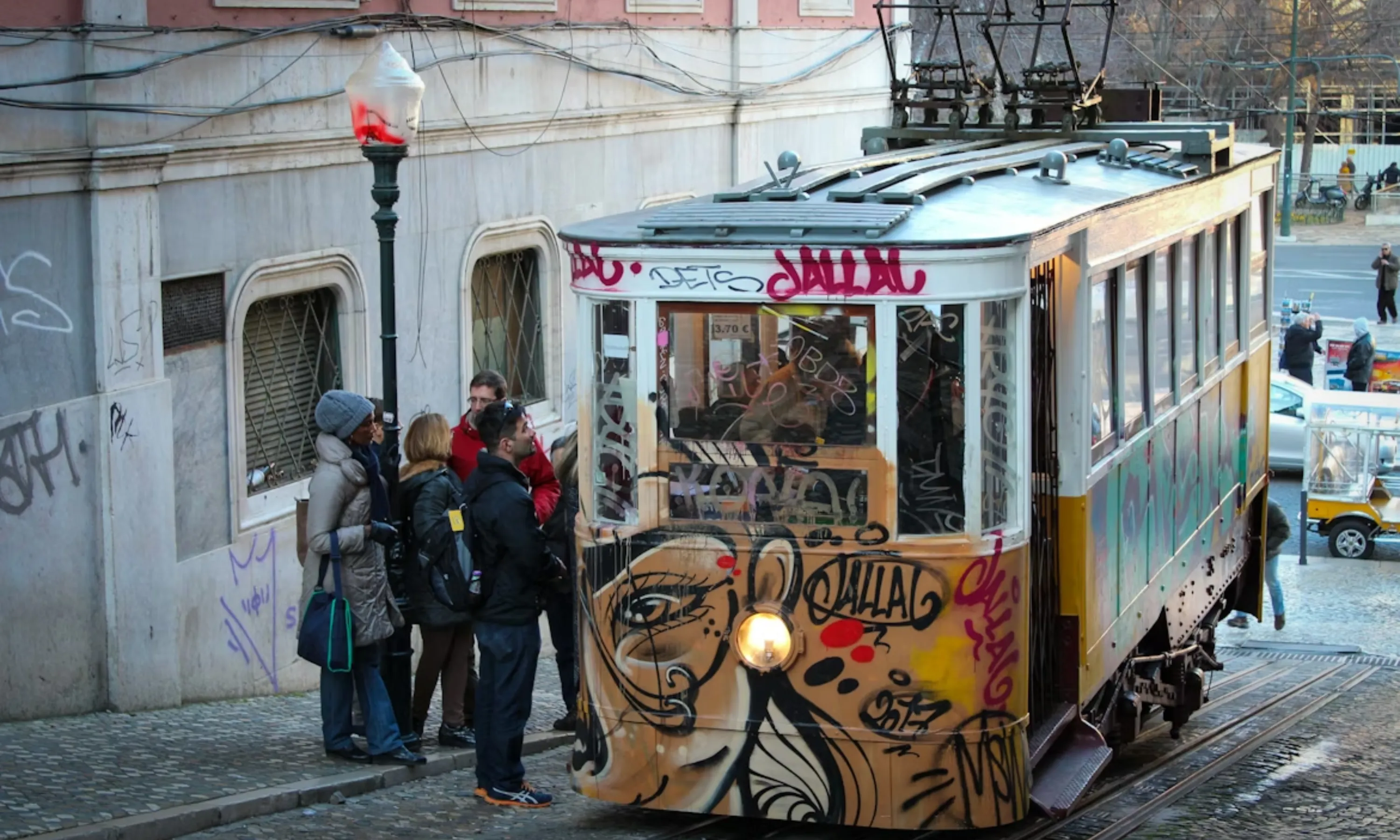
Lisbon, despite a milder climate, changes face in January. Less tourism means more legible neighborhoods, slower rhythms, a daily dimension that often remains hidden during peak months. Walking becomes the best way to gauge the city, without the urgency of having to "see it all."
Finally, Prague, in winter, rediscovers a certain gravitas. The streets empty, architectural details emerge, time seems to dilate. Far from the postcard image, the city reveals itself more layered, less indulgent, but also more interesting.
Traveling out of season means accepting the cold, the short days, the lack of continuous entertainment. In exchange, you get something rarer: the chance to observe European cities in their daily routine, when they don't have to convince anyone.