Architecture that never lasts: the cultural value of temporary space
15 April 2026
Pavilions, installations, and ephemeral spaces: how temporary architecture redefines the relationship between use, experience, and duration
Architecture, by definition, has always been associated with duration. Building meant stabilizing, leaving a trace, inscribing a gesture in space and time. Yet, an increasingly significant portion of contemporary production works in the opposite direction: it designs to disappear. Pavilions, installations, and ephemeral structures do not represent a marginal deviation, but a paradigm shift.

These are not simply "temporary" works. Their transitory condition is not a technical or economic limit, but a design element. Architecture that does not last radically changes the relationship between space and use: it does not impose a stable function, but constructs a situated, often unrepeatable experience. In this sense, value lies not in permanence, but in intensity.
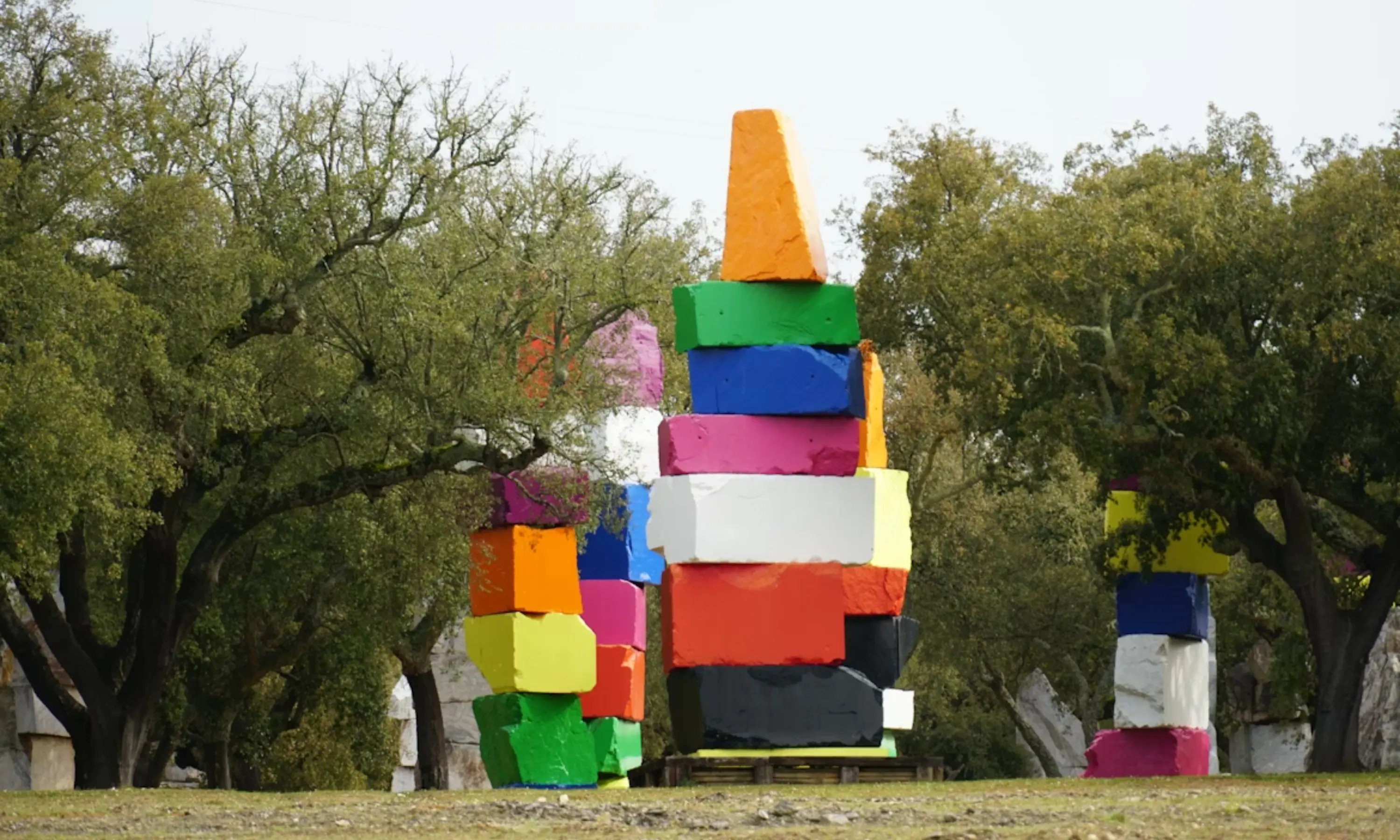
Events like the Venice Architecture Biennale or the Serpentine Pavilion make this transformation evident. Every year, international architects are called upon to design structures intended to exist for a few months, but capable of temporarily redefining the perception of a space.

In many cases, these architectures operate as condensers of relationships. The public is not a passive spectator: they pass through, linger, and modify the work with their presence. The form is not finished, but is activated in use. It is here that the ephemeral ceases to be synonymous with superficiality and becomes, on the contrary, a precision instrument.

At the same time, even outside institutional circuits, temporary interventions in urban space are multiplying: installations, displays, and micro-architectures that occupy squares, courtyards, and residual spaces. Often they are light, reversible interventions, but precisely for this reason capable of experimenting without the burden of definitiveness. In a context in which construction is increasingly complex—due to regulatory constraints, costs, sustainability—temporary architecture becomes an operational laboratory.
The point, however, is not only technical or economic. It is cultural. The very idea of stable space is being questioned in a society in which even the modes of use are increasingly fluid. Work, leisure, sociality: everything tends to be rapidly redefine itself, and architecture responds with forms that do not claim to last, but to adapt.
This does not mean giving up quality or planning. On the contrary, designing something that exists for a limited time requires greater awareness: every choice must be essential, every element must contribute to an experience that cannot be limited. be postponed.
Temporary architecture leaves no lasting material traces, but affects the way space is perceived and used. And, in many cases, it is precisely this ability to impact without lingering that makes it relevant.