Training outside: Sport as a way to reclaim open space
23 April 2026
Why outdoor sports are changing the way we train: between open space, control, and body adaptation
Leaving closed spaces is not a simple logistical shift. The progressive abandonment of gyms and controlled environments in favor of parks, streets, and natural paths signals a more profound transformation: the way the body relates to space is changing. Training outdoors not only introduces environmental variables, but alters the very conditions of the physical experience.
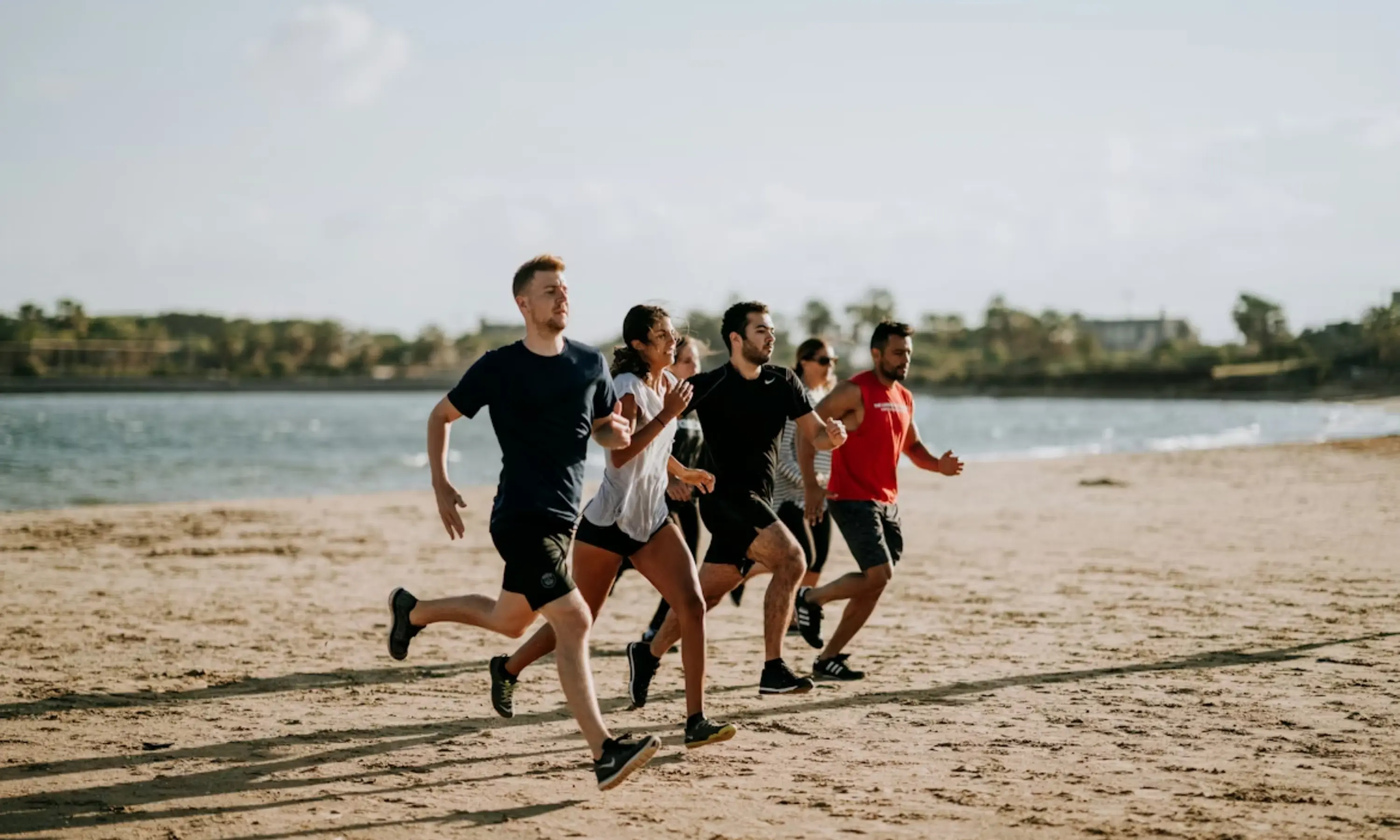
Indoor environments, space is designed to eliminate the unexpected. Stable temperatures, regular surfaces, calibrated equipment: everything contributes to making the gesture repeatable, measurable, and optimizable. The body moves in a closed system, where every deviation is reduced to error or inefficiency. On the contrary, open space reintroduces a component of instability that cannot be completely controlled. Uneven terrain, climatic variations, obstacles: elements that not only complicate training, but also modify its structure.

Disciplines such as trail running or calisthenics, increasingly widespread even in urban contexts, clearly demonstrate this shift. It's not just about "doing sports outdoors," but about adapting the body to conditions that are not predefined. Movement is no longer isolated, but situated: it depends on the space in which it occurs and its characteristics.

The rhetoric of freedom, often associated with the outdoors, risks being misleading, however. Training outdoors does not necessarily mean escaping performance-based logic. On the contrary, many practices maintain a strong measurement component—times, distances, elevation gains—amplified by the use of digital devices.
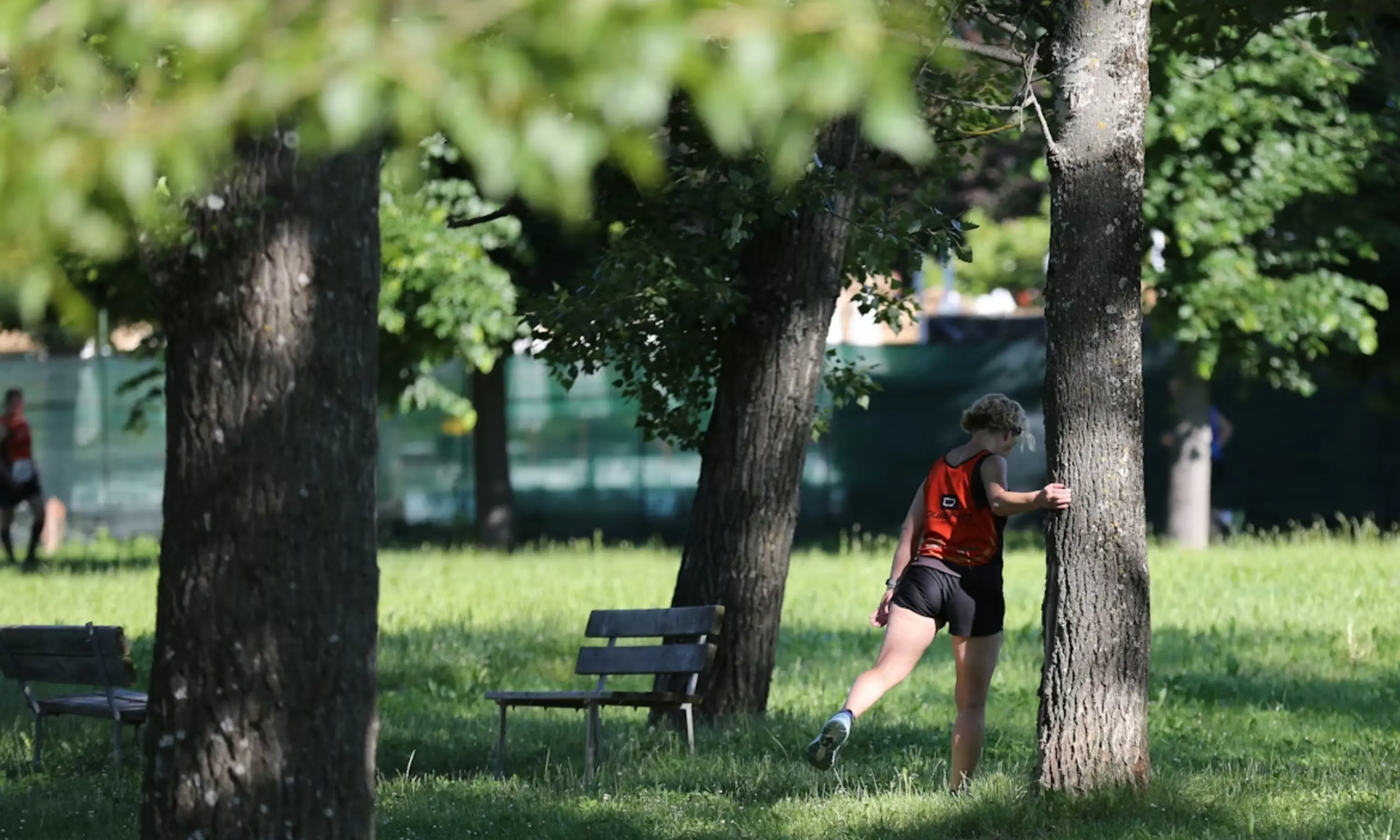
What is changing is the type of attention required. In an enclosed space, the body can automate gestures; outside, it is forced to continually negotiate with the environment. Every step, every support, every change in rhythm implies an adaptation.
The urban context is also being progressively reactivated in this direction. Parks, embankments, squares, and infrastructures are being reinterpreted as exercise spaces, often outside of explicit planning. It is not sports architecture that defines use, but the body that temporarily reconfigures the space. A bench becomes a tool, a stairway a path, an embankment a circuit.
This type of appropriation is not without ambiguity. On the one hand, it expands the possibilities for using public space; on the other, it introduces new forms of competition and visibility. Training outside also means exposing yourself, being observed, and becoming part of a shared landscape.
The growing interest in outdoor sports therefore signals not just a need for fresh air, but a redefinition of the relationship between body, space, and control. Training is no longer limited to improving performance, but becomes a way to measure oneself against conditions that are not completely manageable. And, precisely for this reason, more difficult to standardize.