Seasonal Cuisine: Why Choosing Seasonal Ingredients Changes the Way You Cook
28 April 2026
Because seasonal cuisine today is not a trend but a way to redefine ingredients, time, and the perception of food.
In recent years, the discussion of seasonal cuisine has returned with a certain insistence, often accompanied by a rhetoric that insists on authenticity, simplicity, a return to origins. But what is being redefined is not a nostalgic idea of cooking, but rather a different relationship with availability.
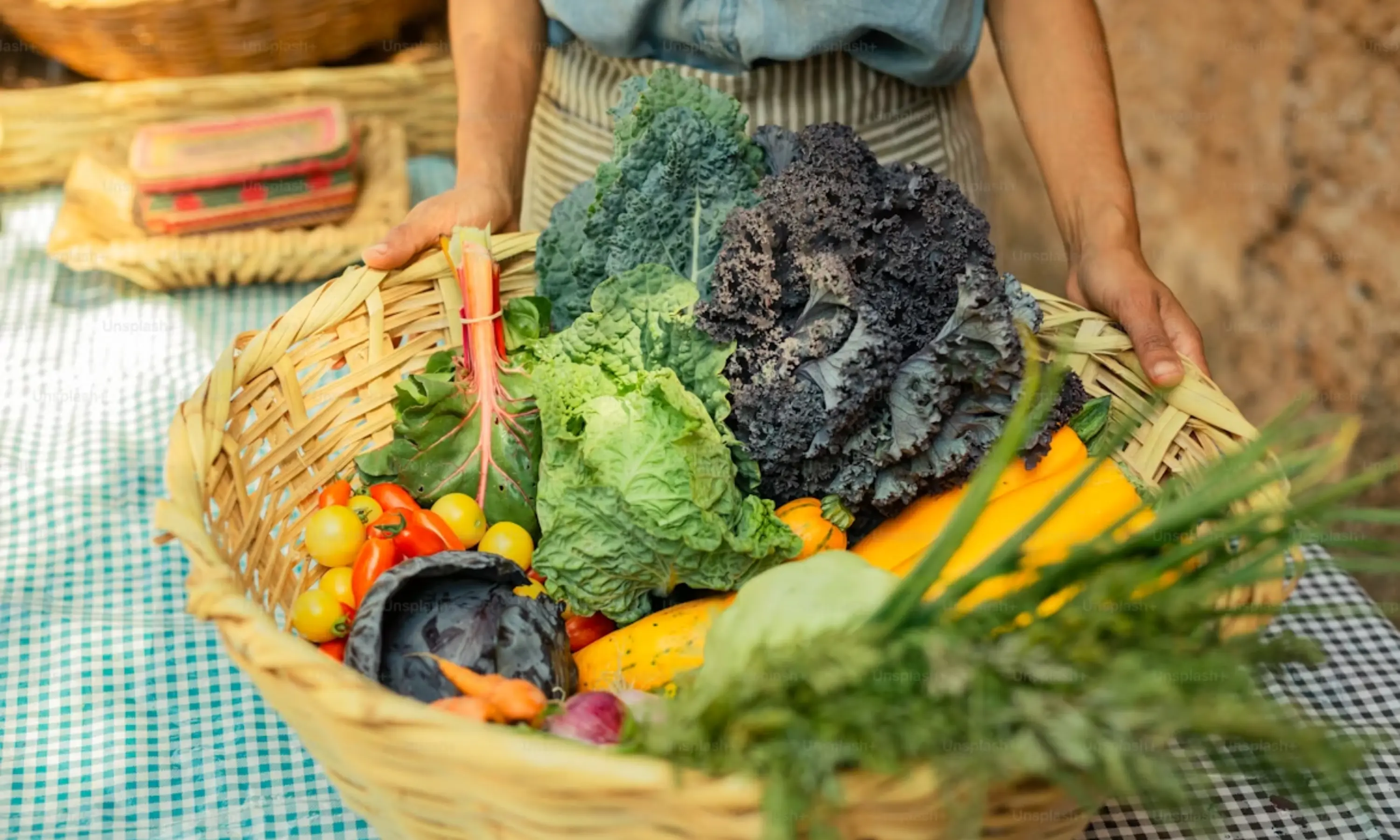
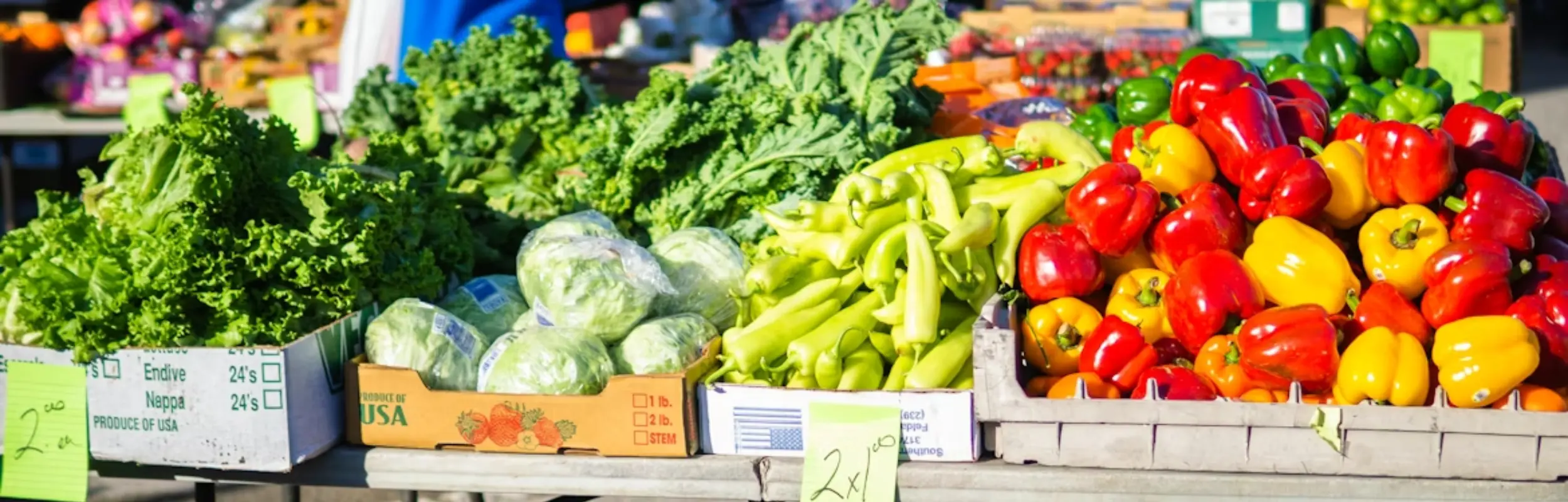
In a food system that has progressively eliminated constraints, making every ingredient theoretically accessible at any time, cooking seasonally introduces friction. Not everything is always possible to make, and precisely for this reason, every choice becomes more precise.

The point is not the ingredient itself, but its recognizability. Vegetables, herbs, raw materials that do not require complex interpretations to be understood. In this sense, seasonal cuisine reduces the distance between the cook and the eater: what arrives on the plate is a cuisine that does not hide the process, but makes it evident.

Some chefs have worked radically in this direction. Massimo Bottura has often used seasonality as a narrative tool, while Niko Romito has built a research based on the subtraction and precision of raw materials. In different contexts, both demonstrate how simplicity is not a simplification, but the result of rigorous control.
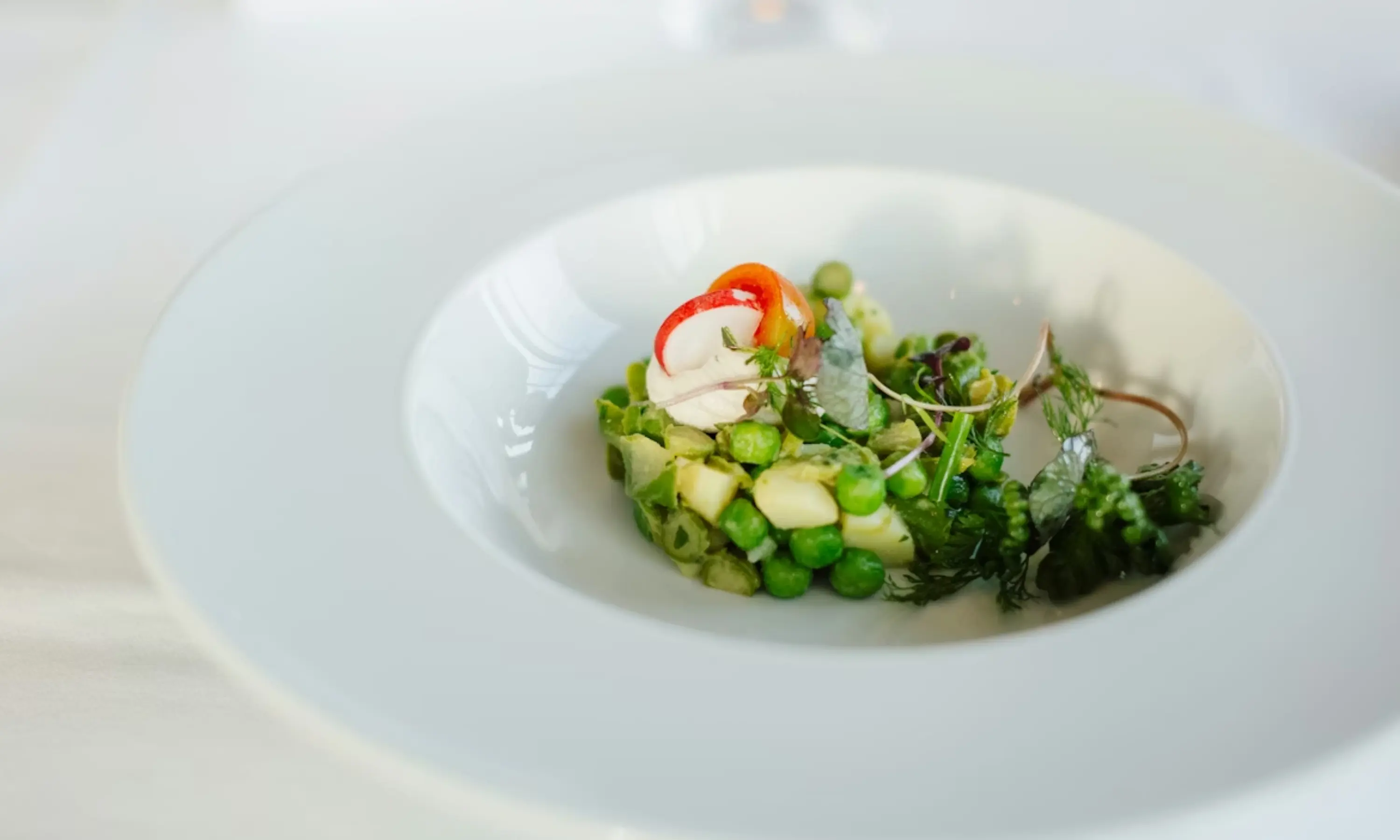
Even experiences like Noma have taken seasonality to an extreme level, organizing the entire menu around micro-periods of the year, in which a few ingredients are explored in depth. Here, limitation becomes method: you don't add, you work on what you have. that grows, until its possibilities are exhausted.
This approach is also spreading outside of haute cuisine, but it is often translated superficially, as a simple selection of "seasonal" products. The risk is reducing seasonality to a label, losing its operational meaning. It is not enough to choose seasonal ingredients if the way they are used continues to respond to a logic of accumulation.
Seasonal cooking implies a reduction of possibilities, but also a greater intensity in the relationship with what is used. Each ingredient is present at a specific moment and for a limited time: it cannot be postponed or replaced without consequences. This introduces a form of attention that concerns not only taste, but temporality.
In this sense, seasonal cuisine is not a return to the past, but a response to a system that has made everything available, but often indistinct. Reducing does not mean impoverishing, but making differences perceptible again.