How to reclaim your personal well-being
27 May 2026
Decoding fitness messages: distinguishing passing fads from our bodies' true needs.
As summer approaches, a silent pressure begins to build. It's the time when the media, social media, and even conversations among friends obsessively focus on the so-called "swimsuit season." It almost seems like a mandatory appointment, a deadline we all must meet to feel ready for summer. But this frenetic race toward an ideal of perfection raises a necessary question: who, exactly, sets the rules of this game?
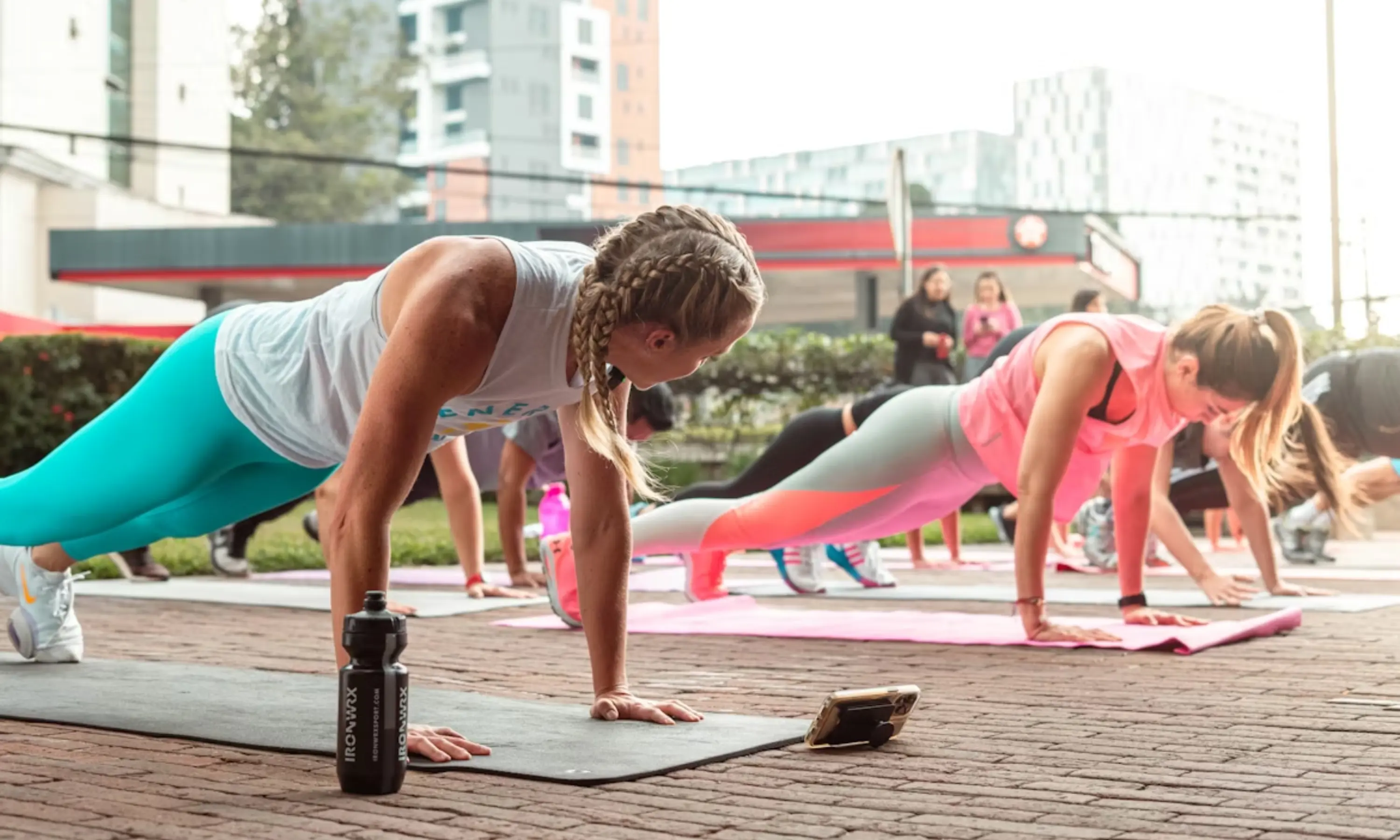
The Seasonal Obsession with Change
We're used to thinking of fitness as a goal to be achieved by a specific date. Gyms fill up, diets become more stringent, and performance anxiety rises as temperatures rise. This seasonal narrative, which ties our value to our physical appearance, creates a constant cycle of frustration. We often forget that the human body does not function in calendar-bound cycles, but follows its own biological rhythms, which require care, patience, and consistency, well beyond the confines of a single month.

Much of the messages we receive daily about "getting fit" are driven by marketing strategies. The fitness and wellness industry builds campaigns around often unattainable standards, transforming physical activity into a commercial product. Distinguishing mass communication from true physiological needs is the first step to freeing ourselves from external dependencies. When we understand that most "miracle methods" are merely selling a service, we regain the freedom to listen to far more reliable signals: those of our own body.

From aesthetic performance to functional well-being
The real revolution occurs when we shift the focus from aesthetics to functionality. A technical and mature approach to well-being seeks not rapid physical transformation, but longevity. The goal becomes quality movement, the ability to get through the day without pain, stress management through exercise, and muscle strength as a foundation for injury prevention. In this scenario, training means building an efficient "machine," capable of accompanying us through daily challenges with energy and vitality, regardless of our reflection in the mirror.

Building Sustainable Routines
The secret to true well-being lies in sustainability. A training program that we can maintain for years, without exhausting peaks of intensity followed by long periods of neglect, is infinitely more valuable than any crash diet. The key is consistency, integrated into everyday life. Choosing activities that we enjoy, scheduling realistic sessions, and valuing rest are the pillars of a method that works over the long term. It's a commitment that rewards discipline, not momentary sacrifice.