Eating light in summer: between real need and aesthetic pressure
24 June 2026
Raw food, vegetables, small portions: summer cooking as a means of access and maintenance
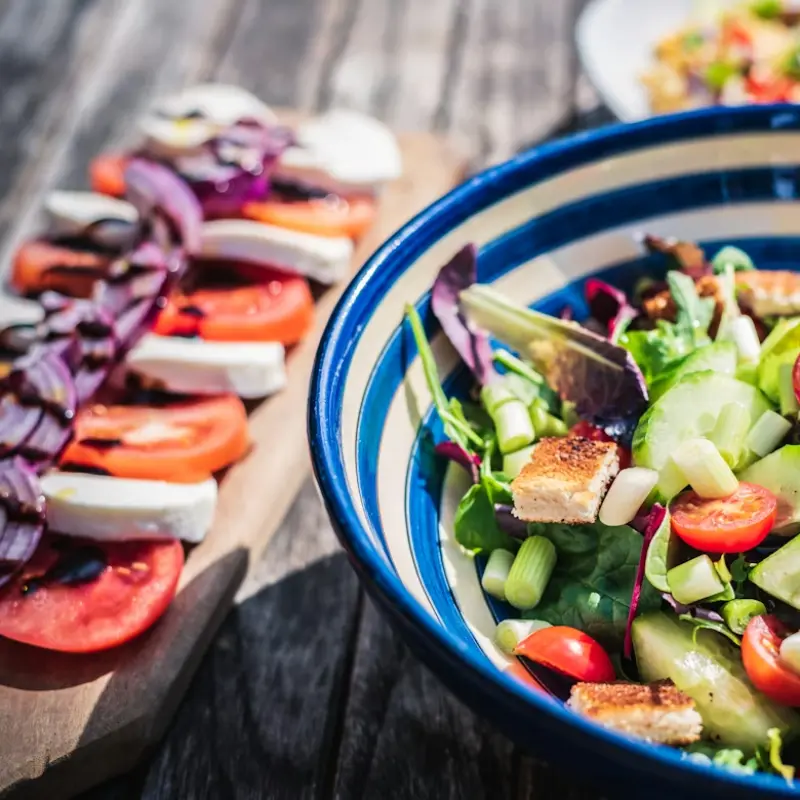
There's a social consensus that summer should be a time for light eating, and this consensus has long ceased to be a matter of heat or digestion. It's become a moral code, in which the choice of raw food, vegetables, a small plate, and minimal condiments functions as a declaration of cultural belonging even before being a nutritional gesture.
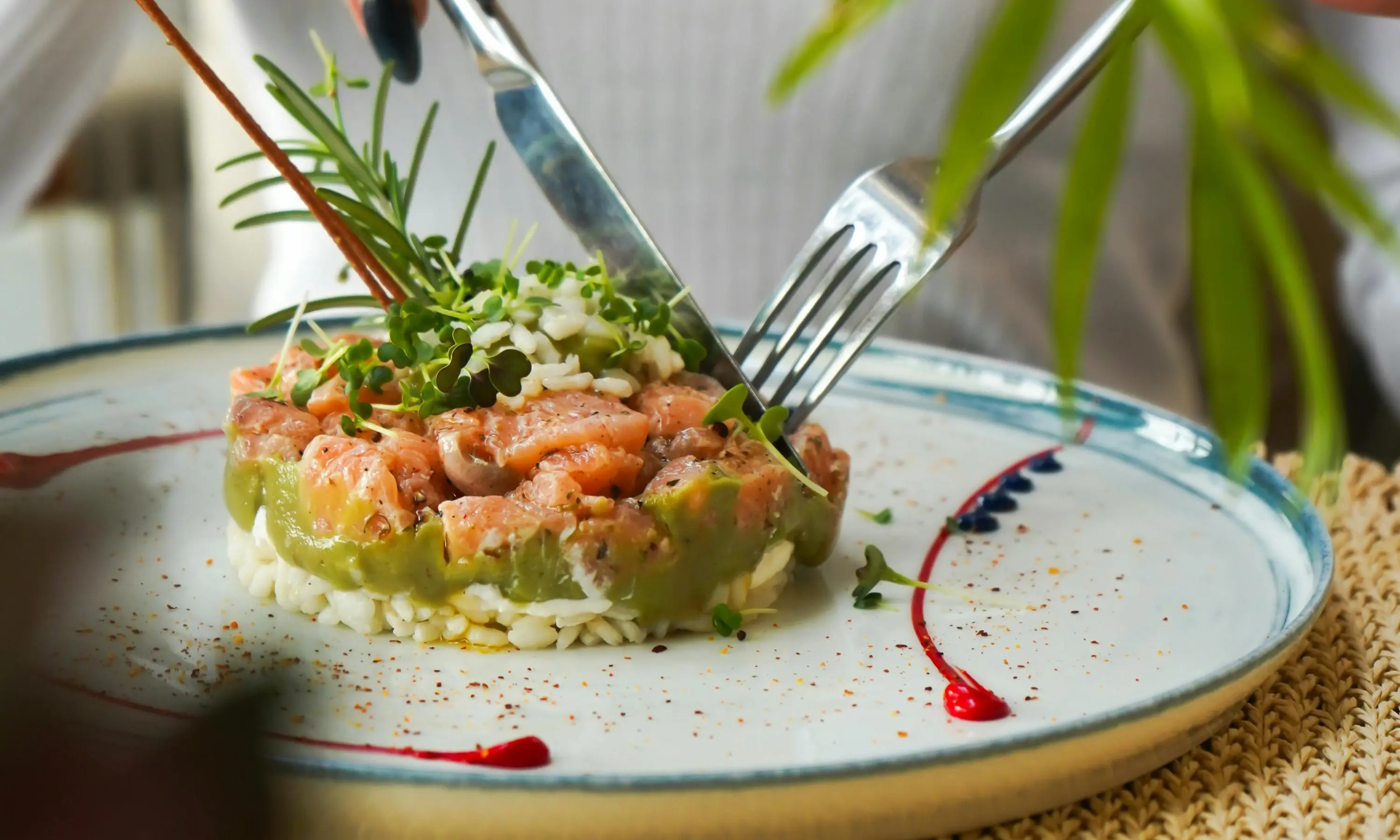
It's easy to measure. A fish tartare, a datterini tomato salad with a drizzle of expensive extra virgin olive oil, a plate of raw red shrimp from Mazara: items that twenty years ago were the exceptional coastal meal have now become the standard fare of those who can afford them, during the warm months and beyond. Italian summer cuisine has seen its raw food section grow enormously over the last decade—the international recognition of the work of chefs like Riccardo Camanini at Lido 84 in Gardone Riviera, or Niko Romito's choices centered on the concept of essentiality, are part of this broader cultural movement.
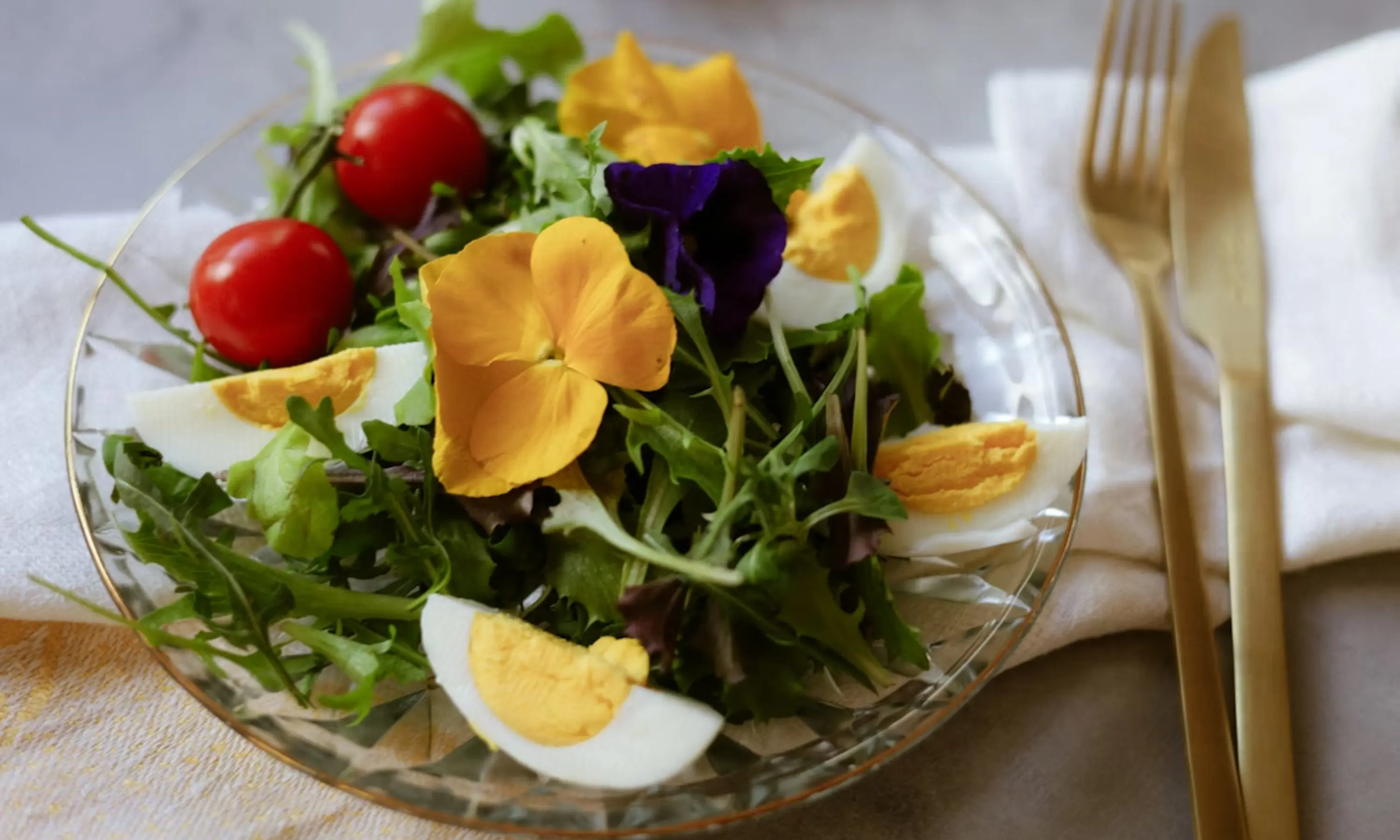
But it's precisely behind the apparent naturalness of this preference that a significant social mechanism lies. Eating light costs, paradoxically, more than eating heavy food. It costs in raw materials—quality fresh fish, traceable organic vegetables, single-cultivar olive oil—and it costs in cultural time, because it requires knowing how to distinguish, knowing the seasons, and recognizing ingredients. Summer lightness is therefore in some ways also a display of "access": to a certain type of food, to a certain type of knowledge, to a certain type of body that wants to stay in shape until September.
Then there's the overlap with the discourse on well-being, which amplifies the moral dimension. Eating lightly in summer has ceased to be a practical matter and has become a virtue. It requires discipline, attention, and the ability to forgo. Those who eat heavily in summer are seen as lacking self-control, lacking understanding, and lacking pace. Aesthetic pressure functions as a structural dimension of this eating pattern, not as a side effect: a light meal is a means of maintaining the body, required by the season.
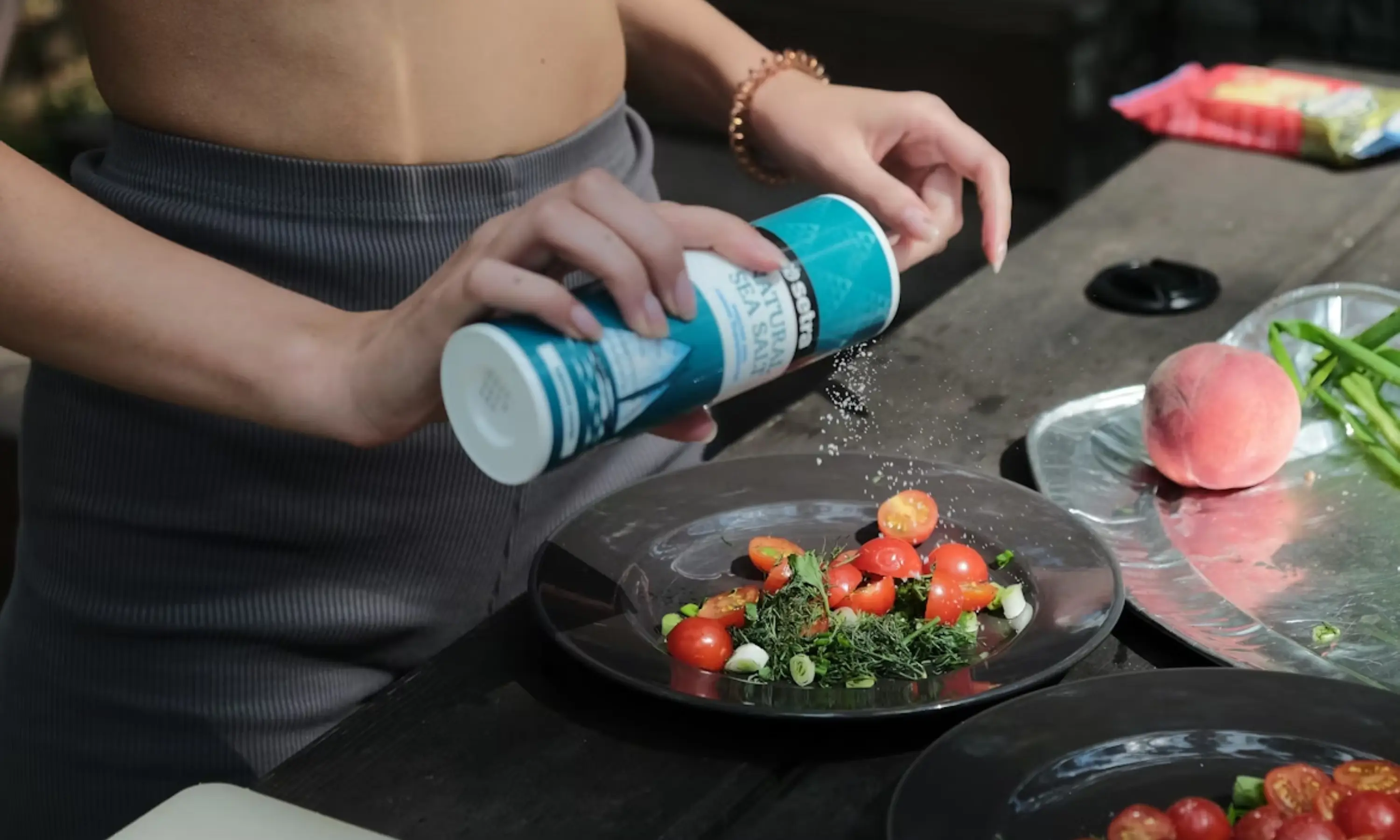
This shift has a curious effect on Italian gastronomic tradition. Pasta with tomato sauce, fritto misto, a whole host of strong idioms that have defined the country, are suspended for three months. They are fondly remembered, perhaps indulged in one evening, but they are no longer the norm. The norm is subtraction. And in subtraction, as always, those who know how to do it elegantly stand out from those who endure it.