Summer sports and lifestyle: when results matter less than experience
20 July 2026
Golf, sailing, surfing, and paddle tennis illustrate a transformation of contemporary leisure: sport as a cultural experience beyond performance.
Sport is born around a rather simple idea: measuring performance. Winning, losing, improving a time, achieving a goal. Yet there is an entire category of sports in which the result seems surprisingly marginal. Not because the competitive component is absent, but because it is progressively being accompanied by a lifestyle, a form of belonging.
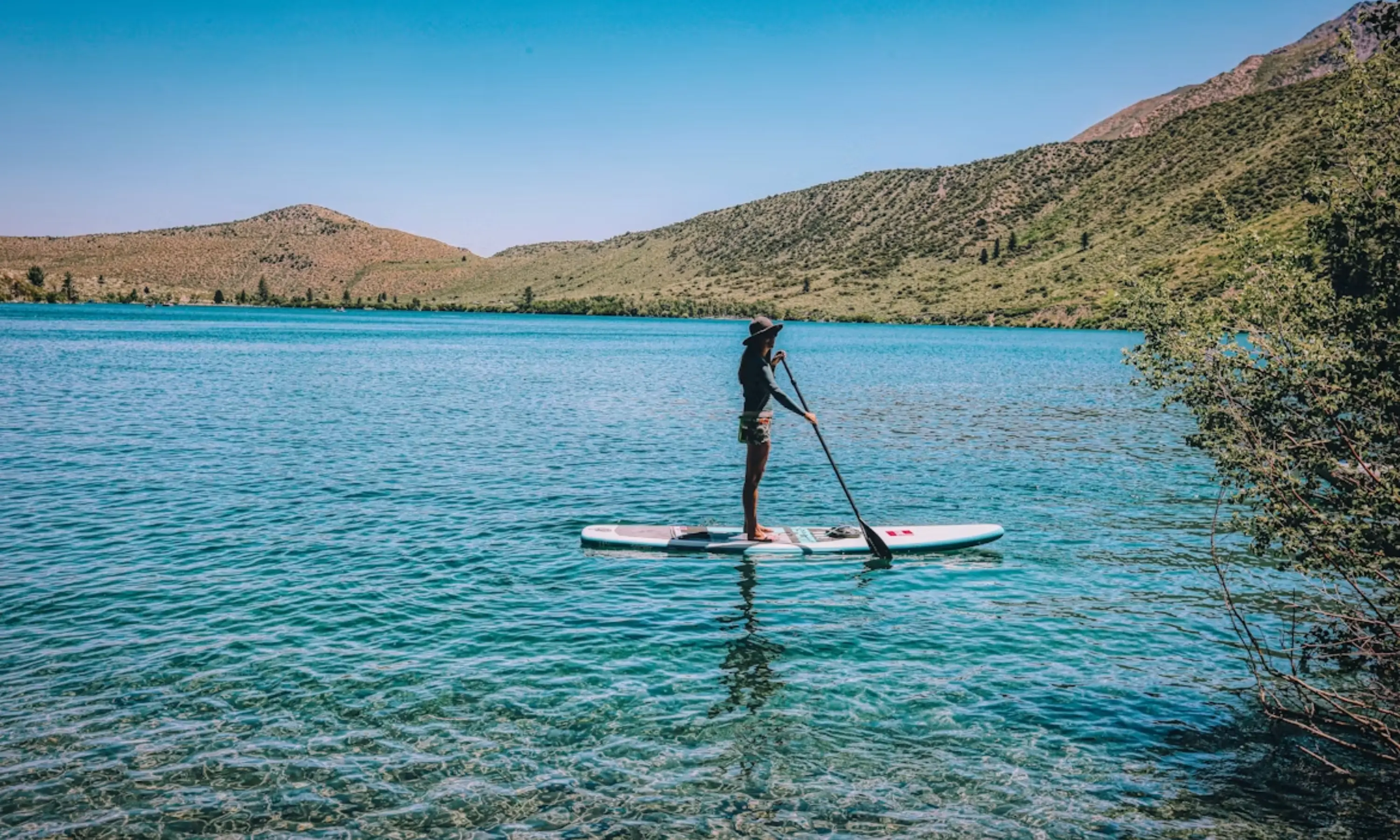
Summer makes this phenomenon particularly evident. Some disciplines experience sudden growth precisely during the months when the performance-based approach tends to lose its centrality. Coastal golf, sailing, surfing, beach tennis, outdoor paddle tennis, or pickleball all share an interesting characteristic: they are activities that foster social, aesthetic, and cultural relationships well beyond the playing field.

Those who choose a discipline don't simply choose an athletic gesture. They also choose a human environment, a rhythm, a set of often implicit codes. Sport thus becomes a language through which to express something about oneself. Not necessarily economic status, as is often thought, but a specific idea of leisure.
Sailing is perhaps one of the most obvious examples. The sporting aspect is real, requiring considerable technical skill and physical ability. Yet its cultural appeal also stems from something else: the relationship with the wind, the relative slowness of travel, the possibility of staying at sea for extended periods.

Golf, too, has for years been portrayed almost exclusively through social stereotypes, but its persistence over time depends above all on the quality of the experience it offers. Walking for hours within designed landscapes, maintaining concentration, alternating action and waiting.
Even much more recent disciplines like padel tell a similar story. The extraordinary success they have enjoyed in recent years cannot be explained solely through their sporting dimension. Their strength lies in their ability to create opportunities for social interaction.
In a society that continually measures results, productivity, and performance, a growing portion of free time is spent on activities that produce value in less quantifiable forms: relationships, well-being, presence, experience.
This is why some disciplines seem to thrive especially during the summer. Not because competition has stopped, but because another function of sport emerges more clearly: that of building contexts: physical and symbolic places where people share time, landscapes, rituals, and conversations.

_9gqyqigq.1783346257.webp)
_jvy0vcs1.1785251910.webp)


