Summer festivals, FOMO, and event culture: why tickets aren't enough these days
12 August 2026
It's no longer enough to buy a ticket. Today, events build their value by making access increasingly difficult, exclusive, and unrepeatable.
Every summer feels like the last chance. The last tour. The last Italian date. The only chance to see an artist in that context, at that festival, with that lineup. It's a narrative that now accompanies almost every major event and has changed the way we experience live music.
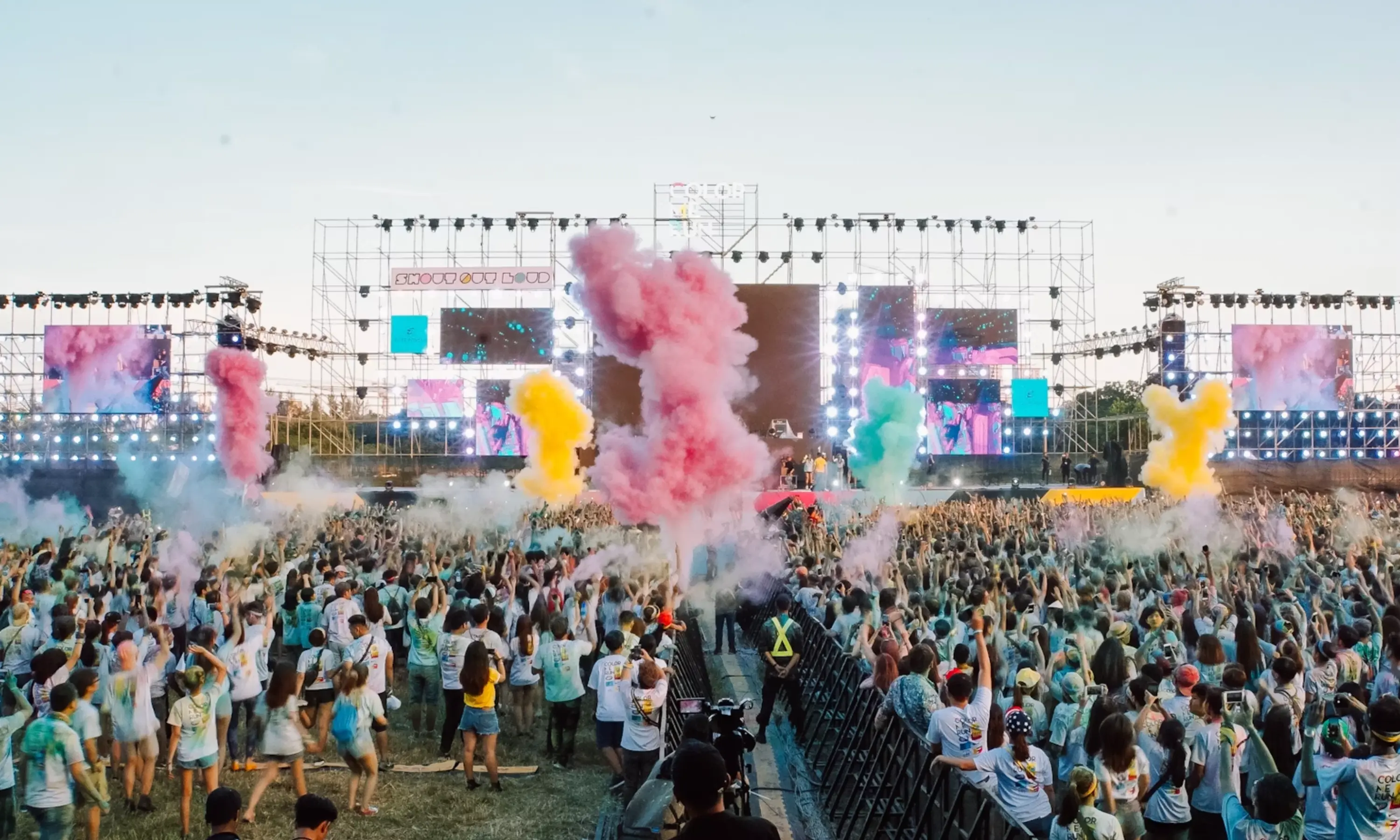
Once upon a time, the concert was the culmination. Today, it's just the beginning. An economy has been built around the performance, involving travel, hotels, restaurants, merchandise, VIP areas, reserved experiences, and exclusive content. Participating means entering an ecosystem where the ticket price is often the least important.
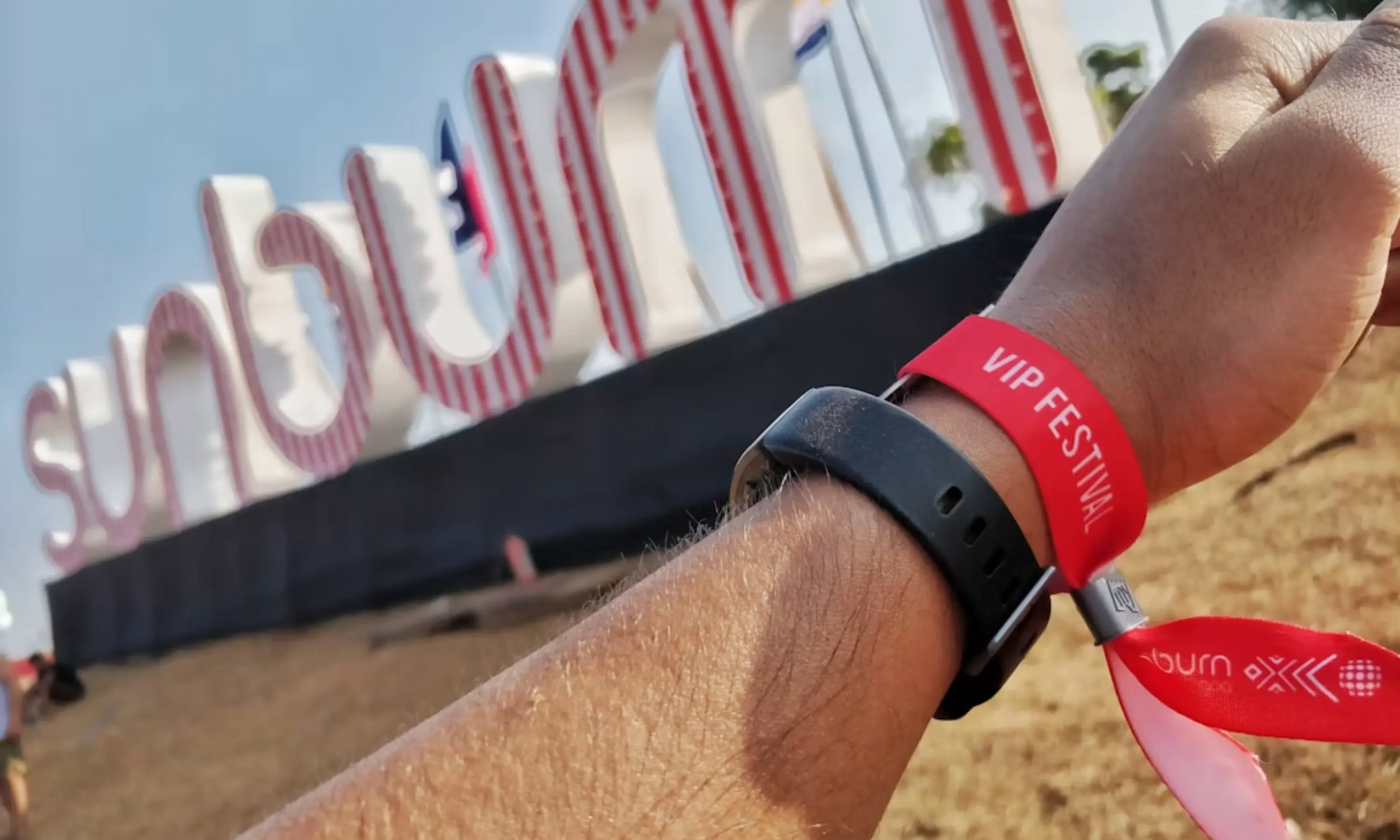
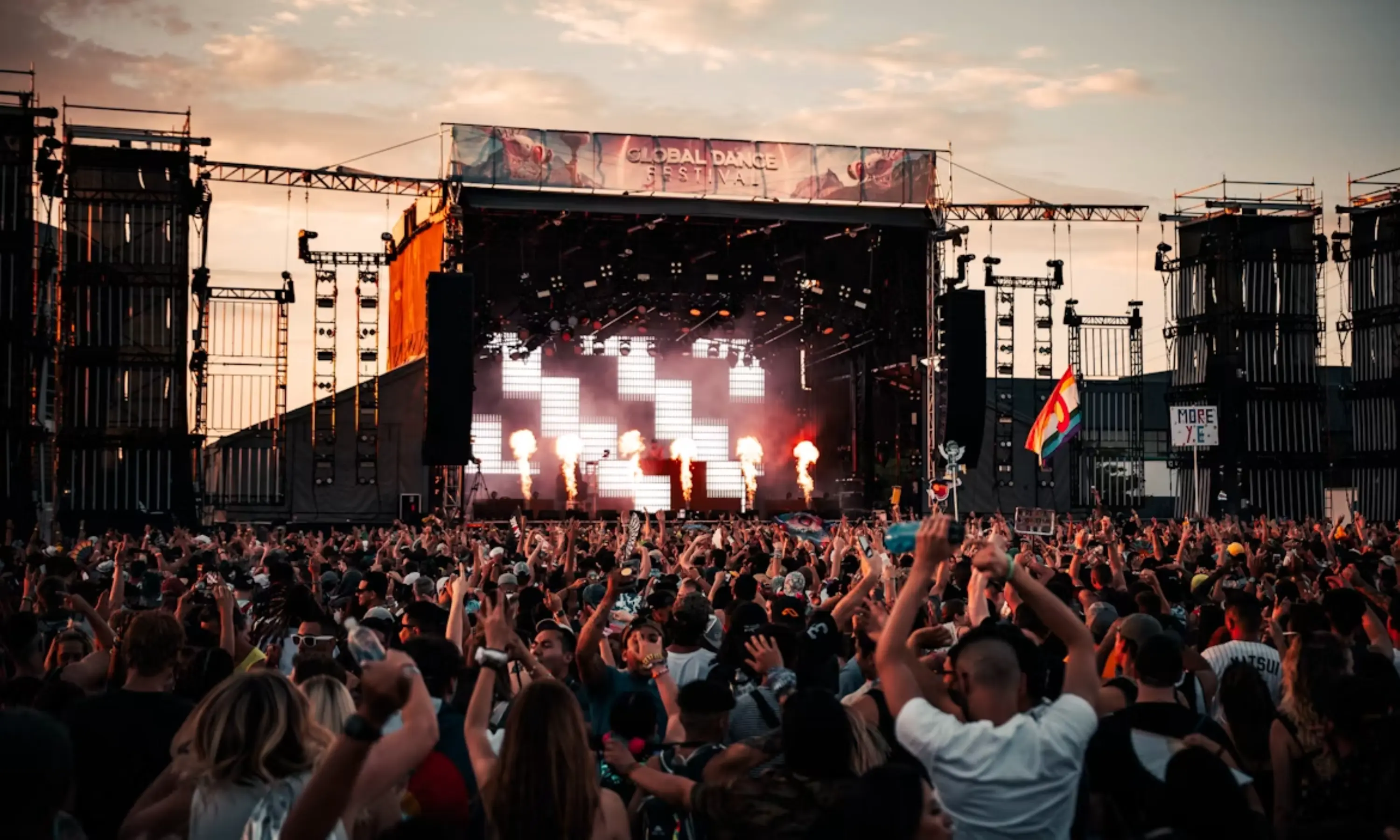
In recent years, many festivals have begun to differentiate audiences through increasingly complex levels of access. Some can enter early, others have a dedicated terrace, or those who purchase a premium package. Even within the same concert, different experiences are being created. The music remains the same, but the perspective from which it is observed changes.
The case of the Casita during the Bad Bunny tour is emblematic. An exclusive space within the event, reserved for a limited number of people, introduces a new hierarchy among spectators already present. It's no longer a matter of being there or not being there. Even those who managed to buy a ticket can feel excluded by something happening a few meters away.
It's a dynamic that goes beyond music. Limited access has become one of the most effective tools for attributing value to an experience. The more unique something seems, the greater the desire to participate. FOMO, the fear of being left out, is no longer a consequence of contemporary events: it's part of their design.
Communication also follows this logic. Countdowns, reserved presales, fragmented announcements, guests revealed at the last minute, limited availability. Each phase fuels the feeling that postponing means missing out on something unique. Scarcity isn't just about available seats, but time itself. Everything seems to exist for an ever-shortening window.
It's no coincidence that many summer hits follow the same principle. They're created to accompany a season, dominating playlists, beaches, and festivals for a few weeks, then giving way to a new hit. Their strength depends not only on their musical quality, but on their ability to represent a specific moment. Even culture, increasingly, is consumed according to the calendar.
Perhaps this is the most obvious transformation. Events no longer compete simply to offer a better show. They compete to convince us that that moment can't be repeated. And when uniqueness becomes the primary criterion by which we attribute value to an experience, the risk is that the fear of missing out ends up outweighing the authentic desire to experience it.