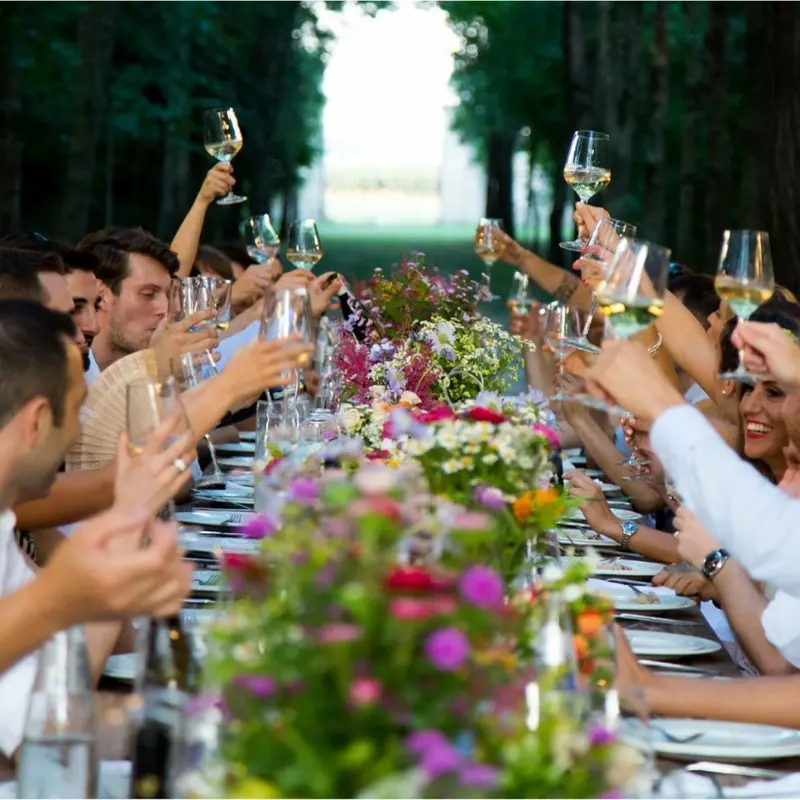
Eating without a timetable: why our relationship with time changes in summer
26 August 2026
In summer, meal times change, but above all, our relationship with time changes. For a few weeks, we stop organizing our days around the clock.
During the rest of the year, eating is a planned activity. Breakfast before going out, lunch break between meetings, dinner when the day ends. Schedules vary from person to person, but the logic remains the same: food adapts to commitments.
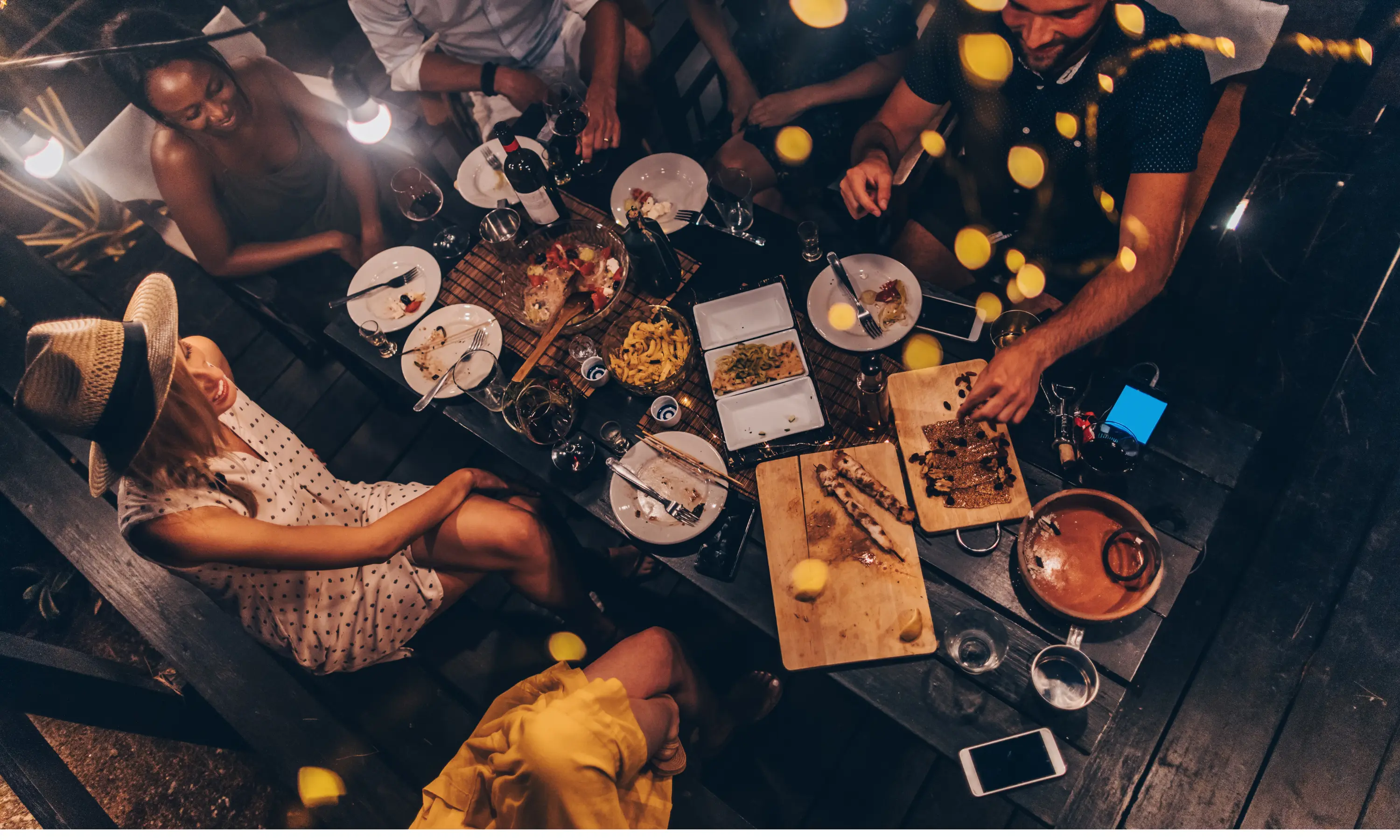
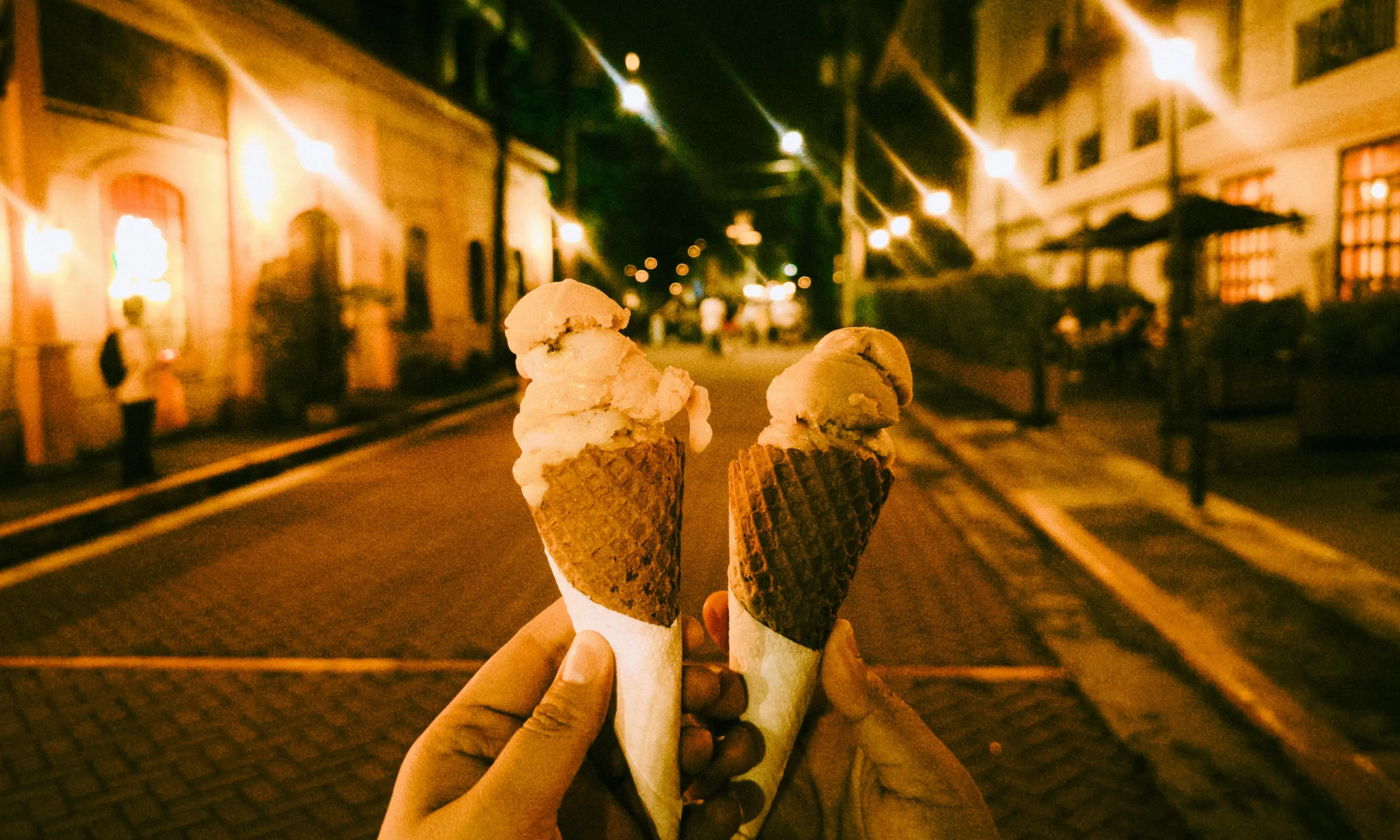
In August, something different happens. Lunch can be postponed until four in the afternoon, dinner can begin when the lights are already going out elsewhere, an ice cream can become a late-night snack. It's not just a matter of vacation. It's as if, for a few weeks, the clock no longer has the final say.
It's a freedom we often take for granted. Changing meal times actually means changing the rhythm of the entire day. We stay longer on the beach because no one is waiting for us at the table. We extend a walk without constantly checking our phone. You choose a restaurant because it's still crowded, not because it's the right time for dinner.
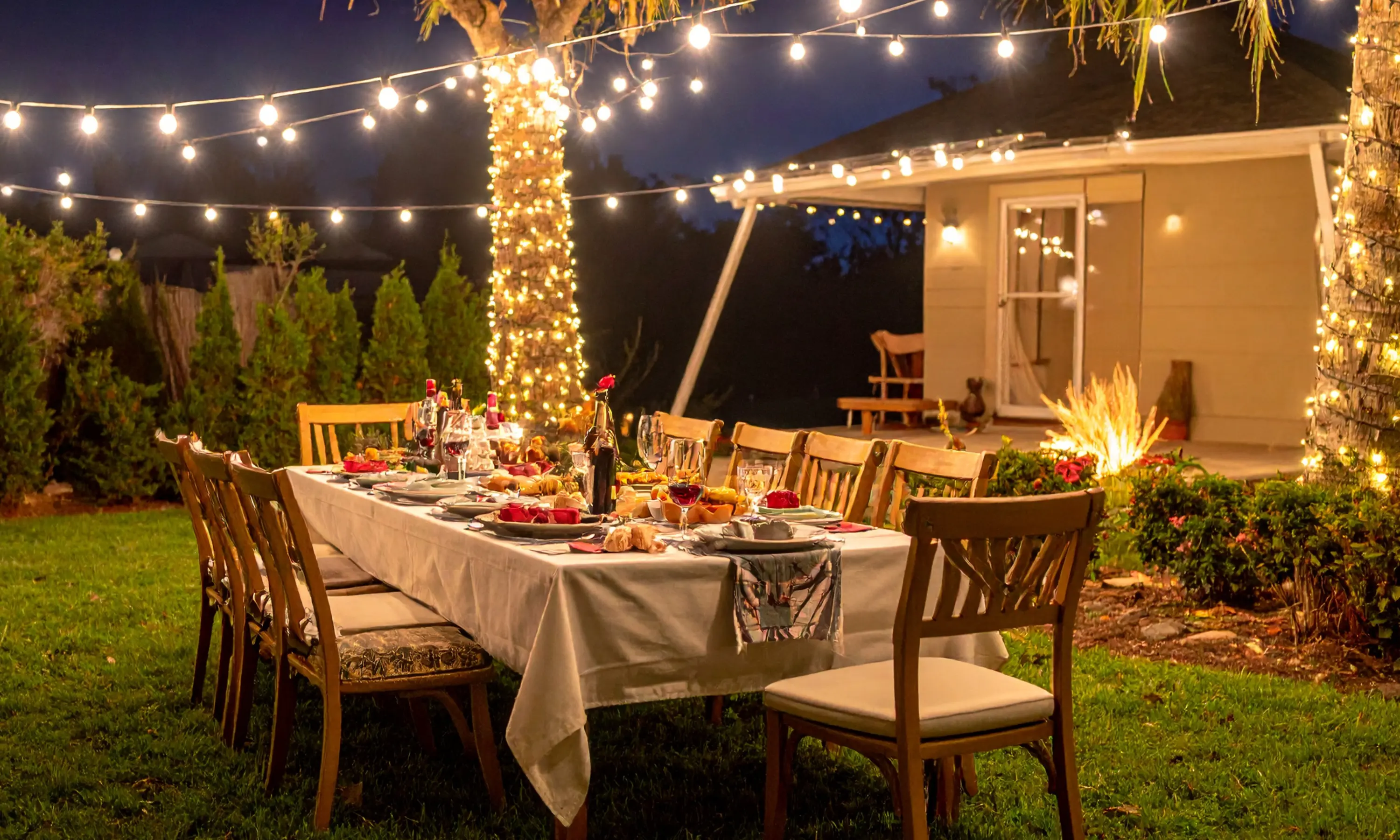
In many Mediterranean cities, this way of experiencing time isn't unique to summer. In Spain, for example, dining after ten o'clock is customary. In Greece, taverns fill up when the heat gives way to the evening breeze. In Italy, however, August creates a period in which even those who live by a rigid schedule throughout the year agree to slow down and let circumstances guide them.

The point, however, isn't just about food. Eating without a timetable means allowing yourself the luxury of not having to optimize every moment of the day. For a few weeks, we stop considering time as something to be precisely managed and go back to experiencing it as an available space.
It's curious that this freedom emerges precisely around one of the most everyday gestures. We no longer plan lunch so we can do something else later. We do the opposite: we decide what to do and, only then, find the moment to eat. It's an almost imperceptible shift, but it's enough to change the way we perceive the days.
Perhaps this is also why some of the most vivid memories of summer aren't tied to what we ate, but when we ate it. A shared pizza at midnight, a breakfast that turns into lunch, an impromptu dinner that lasts until late. More than the menu, what remains is the feeling of having lived for a few days without constantly chasing the next hour.