August, the month when everything is allowed
31 August 2026
In August, our habits, our relationship with the body, time, and consumption change. A reflection on how summer temporarily suspends many social rules.
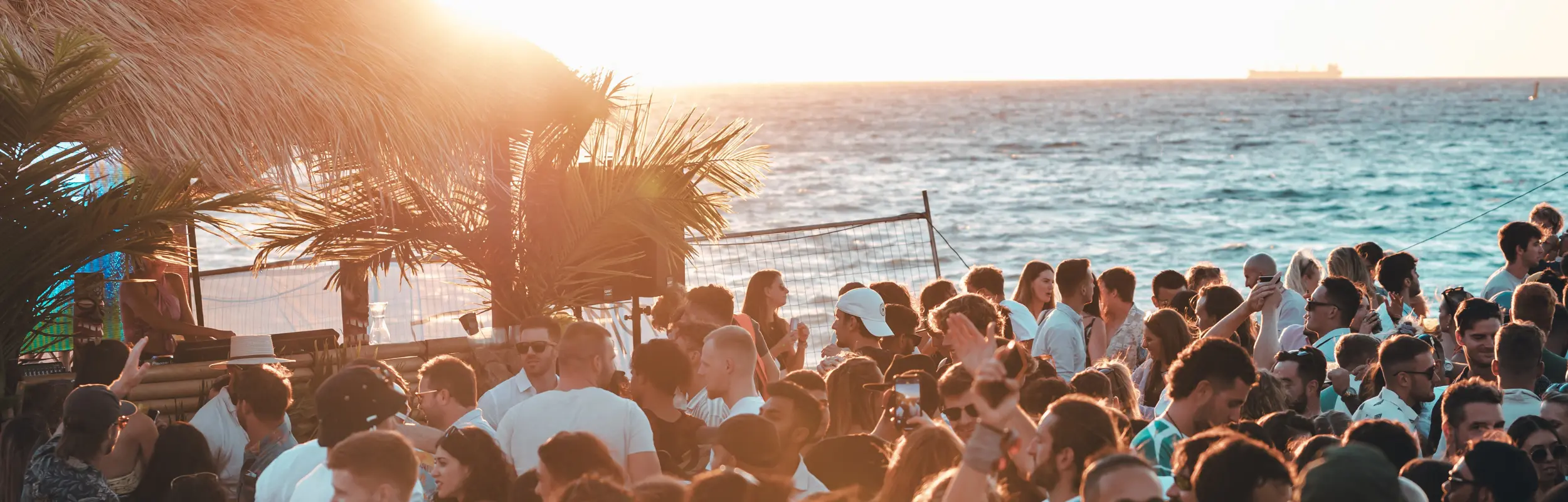
Some behaviors change with surprising naturalness. Sleeping less, eating more, drinking more, spending more than expected, dancing until dawn, starting conversations we would never have attempted at another time of year. In August, all of this seems perfectly normal. It's not a question of the weather. It's a form of collective authorization.
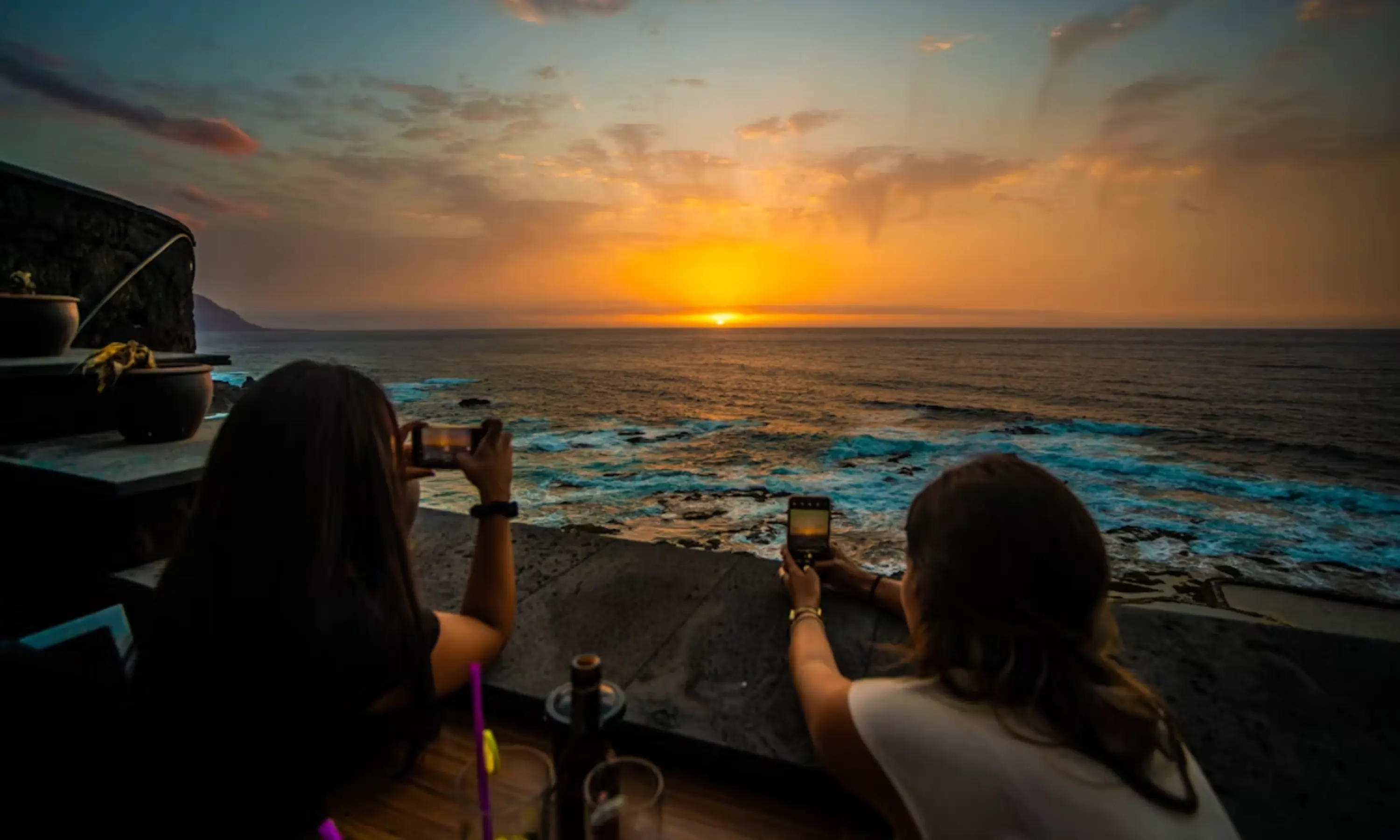
For a few weeks, many of the rules that govern daily life loosen. Hours get longer, cities empty, responsibilities seem more distant. Even judgment softens. What would seem excessive in November simply becomes part of summer in August.

It's curious to observe how this transformation affects millions of people at the same time. There's no rule that establishes how much indulgence is permissible during the holidays, yet everyone seems to intuitively understand its boundaries. A dinner that ends at 2 a.m., a day spent doing nothing, an impulsive purchase, a night spent on the beach. These are not exceptions. They are socially tolerated behaviors because they occur within a time considered special.
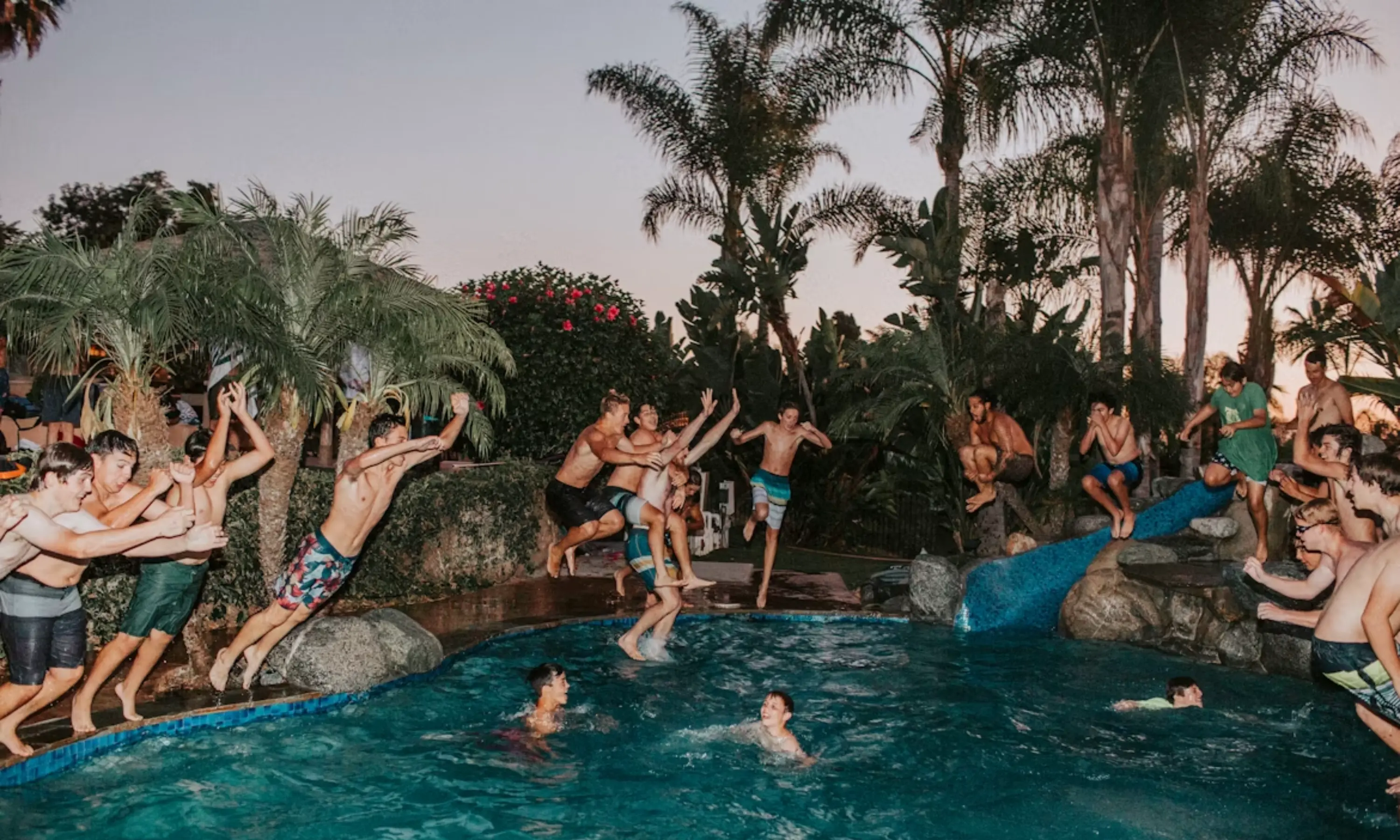
Even the body changes its language. We dress less, expose ourselves more, occupy space differently. Beaches, festivals, squares, and vacation destinations alter the way we spend time together. Distances shorten, conversations begin more easily, even noise is perceived with an openness we'll hardly find a few months later.

This suspension also affects consumption. On vacation, we spend differently than during the rest of the year. We accept prices that in other circumstances would seem disproportionate, we order another bottle without thinking twice, we acquire experiences that we would rarely consider in our daily routine. It's not just carelessness. It's the desire to experience a time we perceive as exceptional.
The most interesting thing is that all of this has an expiration date. No one imagines that August can last forever. Its strength lies precisely in being a parenthesis. We know that in September, our schedules, work, and habits will return, and with them, many of the limitations we had momentarily forgotten.
Perhaps this is why August continues to hold a special appeal. Not because it makes us freer, but because it reminds us that many of the rules by which we organize our lives are more flexible than we imagine. For a few weeks, we simply choose to treat them as such. Then we return to normalcy, carrying with us the memory of a freedom that, precisely because it is temporary, continues to seem so desirable.