How to be a better tourist in the age of overtourism
12 August 2024
2024 was the year of awareness about overtourism, and the start of a path towards better tourism. Here is how we can learn to travel in a more ethical and conscious way.
Overtourism
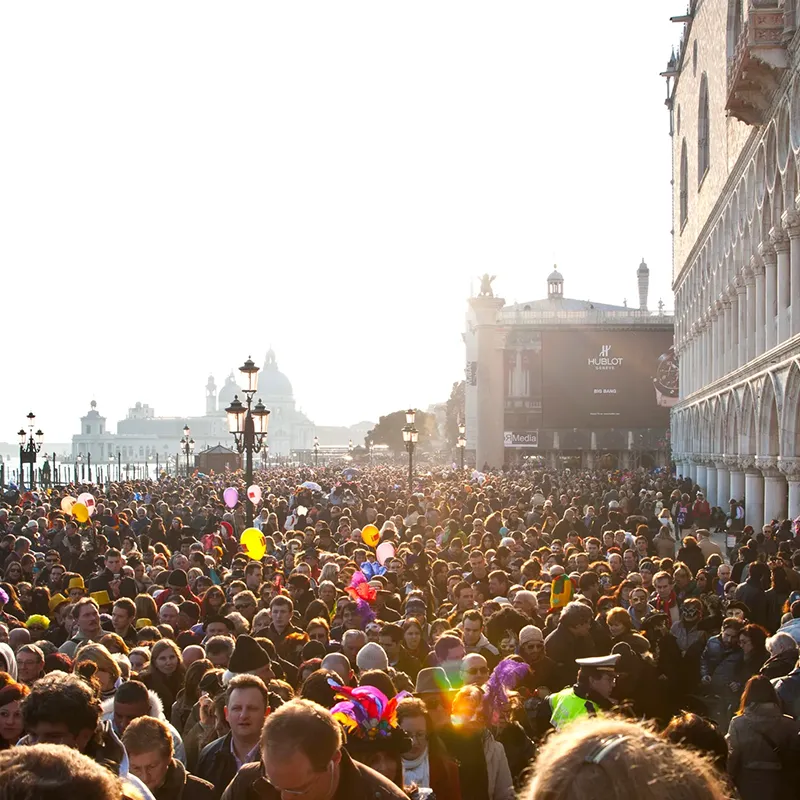
2024 was a crucial year for awareness of overtourism, a phenomenon that has afflicted the main destinations for decades. The evidence is hard to ignore: overcrowding has serious consequences for the environment, for residents’ quality of life and, paradoxically, for the experience of tourists themselves. Already alarming in cities such as Venice, Barcelona and Paris, it has pushed experts and travellers to think about how we travel.
The World Tourism Organization expects international tourist flows to pass two billion by 2030. That figure hides a larger problem: the flows are not evenly distributed. Some places are overwhelmed at particular times of year, suffocating local infrastructure and distorting their culture and environment.
A problem that needs concrete change
Overtourism is not only a question of numbers. It is about the deep impact of mass tourism. Overcrowding disrupts daily life, puts pressure on local resources and damages the natural environment. Think of summer beaches damaged by pollution and bad behaviour, or art cities whose historic districts have been turned into theme parks, pushing residents out and thinning the authenticity of the experience.
How to be a better tourist
The good news is that change is possible, and it does not take revolutionary gestures. A few habits are enough.
Avoid the most visited places. Look for lesser-known alternatives. You reduce the pressure on famous destinations and often find places that are just as fascinating, and more authentic.
Travel out of season. In summer and on public holidays, visitors concentrate on a few places, often with devastating effects. Travelling outside the peak means fewer crowds and a calmer, more authentic experience.
Travel slowly. Tourism has become a race to tick attractions off a list. The pleasure of travel is in taking time. Slow tourism asks us to focus on meaningful experiences: local culture, and landscapes looked at with more attention.
Leave no trace. Respect for the environment is fundamental. Leave places as you found them — or cleaner. Take your rubbish with you when there is no bin, do not disturb wildlife and do not damage plants.
Support local culture. Visit museums, go to local events and step off the mainstream circuit. You get to know the heritage of a place and help conserve it, and you support the local economy in a more sustainable way.
Eat local food. Food is one of the most authentic parts of a culture. Choosing restaurants that use local, sustainable products reduces environmental impact and supports the economy and traditions of the place.
Respect your hosts. It sounds obvious, and it is often forgotten. Treat places, people and their traditions with respect. It is a duty, and it makes the journey richer.
Do not geotag everything. Sharing every detail of a trip has turned untouched places into crowded ones. You do not need to reveal every hidden corner. Letting some places keep their secret is a sign of respect for nature and local culture.
The future of tourism is conscious
2024 was the year of awareness, but we cannot stop there. The industry and travellers themselves have to rethink how they explore the world. Travelling is not only visiting places. It is doing so in a way that preserves what makes each destination unique. It takes little to be a better tourist: a change of mindset, conscious choices and more attention to detail. Only then will the wonders of the planet still be there to discover, for us and for the generations that follow.