Andy Warhol: Between Pop Art and Luxury, the Provocation That Changed Art
17 July 2025
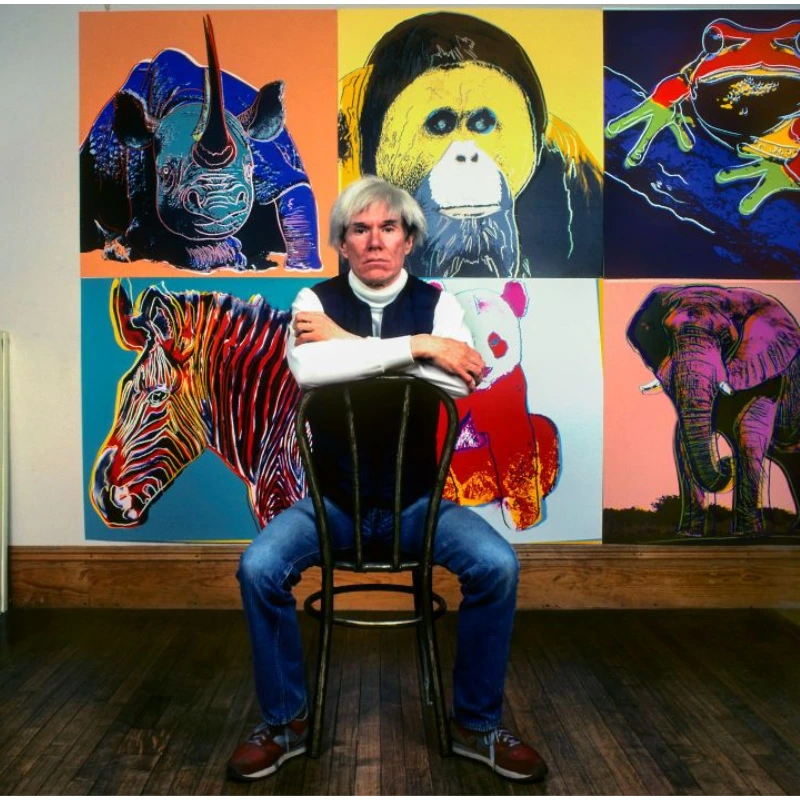
This is a before and after Andy Warhol. Before, art was exclusive, distant, often elitist. After, it becomes multipliable, repetitive, colorful, commercial. Warhol changed the rules, transforming common objects into cultural icons and making consumerism itself an art form.
With him, a new era was born: pop art, which mixes high and low culture, aesthetics and irony, denunciation and desire. In this universe, luxury is transformed: from a bourgeois status symbol to a serial, accessible, almost parodic image.

The face of consumerism
Campbell's soups, Coca-Cola, Marilyn Monroe: Warhol takes what everyone knows and transfigures it. He doesn't celebrate it, he exposes it. Luxury becomes democratic: anyone can recognize it, anyone can possess it, at least in image.
His works question the cult of the product and the fetishism of celebrities, anticipating our present made of influencers, logos, visual excesses.
Factory, fashion, jet set
Warhol's Factory is much more than a studio: it is a creative factory where artists, models, actors and outsiders meet. It is here that art, fashion and music contaminate each other, giving life to a brilliant and disturbing aesthetic.
Warhol is obsessed with glamour, with surface, with appearance. But he does so with detachment, almost with cynicism: he wants to seduce and unmask, get close and reveal the emptiness behind beauty.
Icon of style (and criticism)
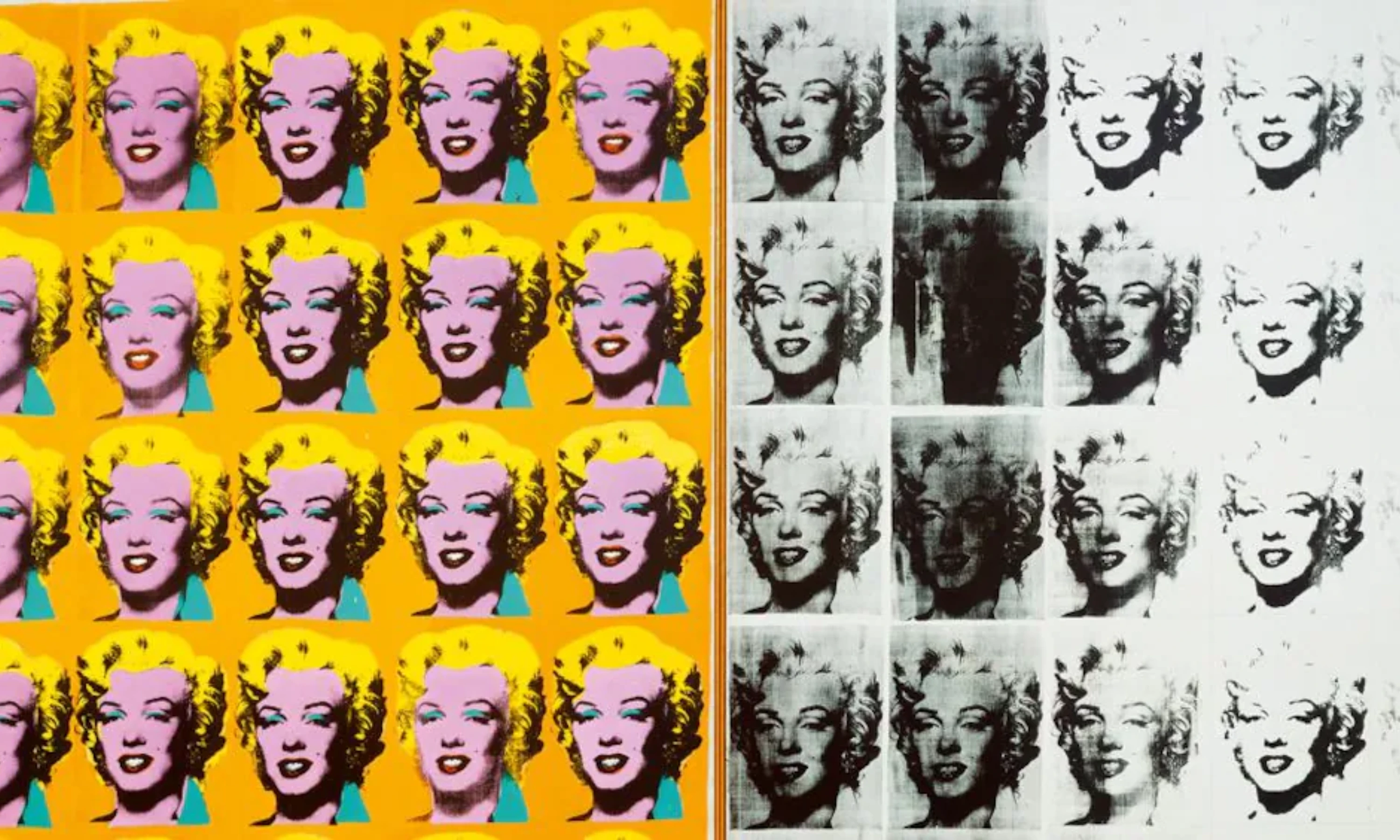
The relationship between pop art and luxury is played out entirely on ambiguity. Warhol exposes the glitter of consumer society, but he does so with a cutting irony. His shiny and repetitive prints reflect a society that buys, consumes and forgets.
And yet, it is precisely from this repetition that the myth is born. The face of Marilyn, replicated until it loses meaning, becomes eternal. Warhol creates icons, and at the same time invites us to doubt their value.
A legacy that is still current
Today, Warhol's aesthetic is everywhere: in fashion, in advertising, on social media. His style lives in luxury patterns, in cultural references, in brand windows that transform every object into an object of desire.
And perhaps this is precisely his most powerful provocation: having foreseen a world in which art and market, image and identity would become indistinguishable.
Warhol didn't just paint pop culture: he understood it before others. He saw the power of images, the charm of excess, the fragility of appearance. And he did it with a style that, even today, manages to be scandalously current.