Italian contemporary art: the new protagonists you should know
15 October 2025
Italian contemporary art is experiencing a fertile period. It is not just about big, established names, but a generation of artists who are pursuing innovative languages, crossing painting, sculpture, photography, and multimedia installations. Their work reflects the contradictions of the present, intertwining tradition and experimentation, both local and global.
Marinella Senatore
A multidisciplinary artist, Senatore works across performances, public installations, and participatory practices. Her projects place communities at the center, creating works born from dialogue and sharing. She has exhibited in institutions such as the Centre Pompidou and the Venice Biennale.

Nico Vascellari
Among the most discussed names of recent years, Vascellari works with performances, videos, and installations that explore the relationship between nature, ritual, and subculture. Her research blends dark aesthetics, symbolism, and sound experimentation, in a radical and personal perspective.

Ludovica Carbotta
Her practice combines architecture, sculpture, and storytelling. Famous for creating Monowerdquo;, an imaginary city designed for a single person, Carbotta explores the concepts of space and identity. Her works have been presented in international contexts such as the Venice Biennale and the MAXXI in Rome.
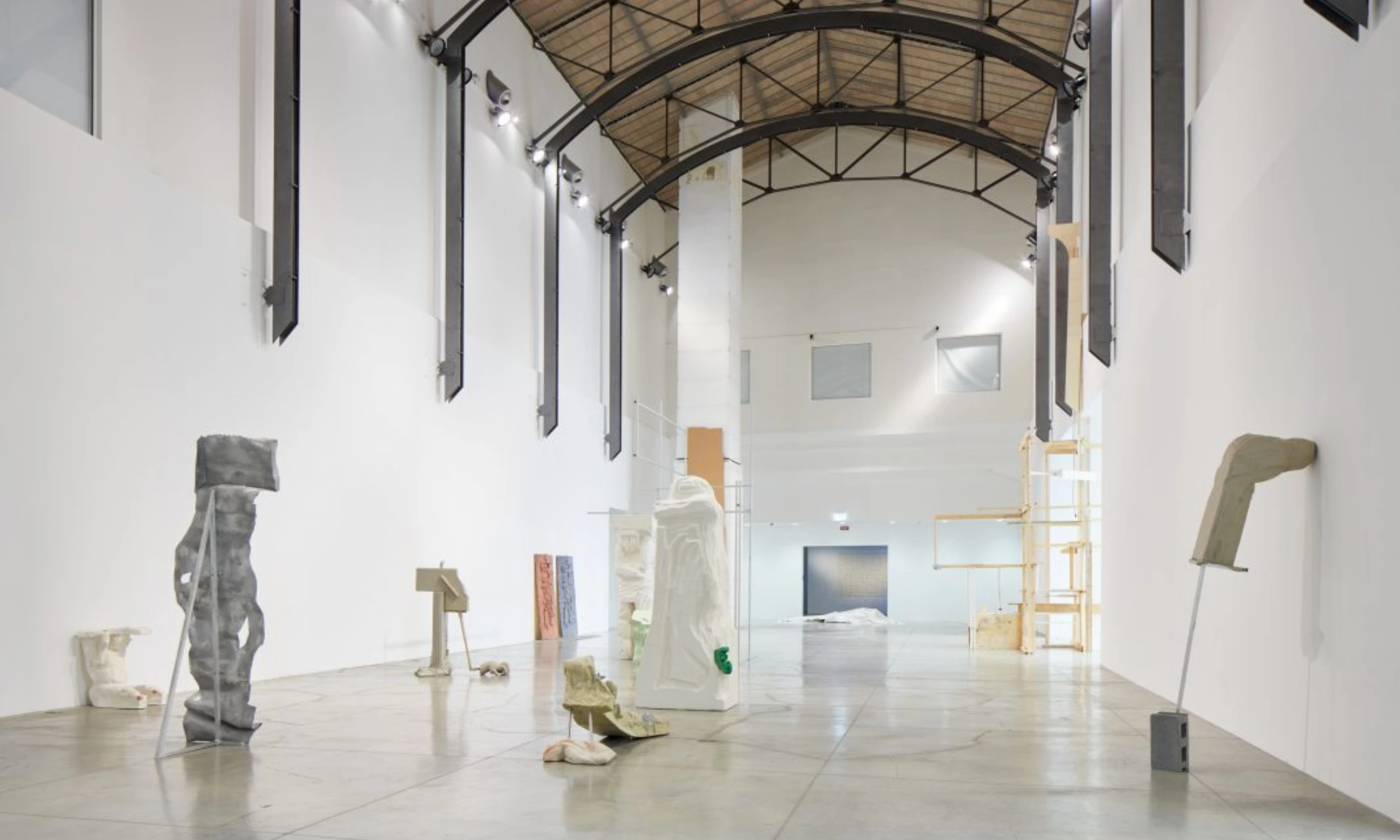
Giorgio Andreotta Calograve;
She works with installations, sculptures, and site-specific interventions. Her poetics are linked to the landscape and the transformation of materials. In 2017, she represented Italy at the Venice Biennale with a work that transformed the space into an immersive experience of water and reflections.
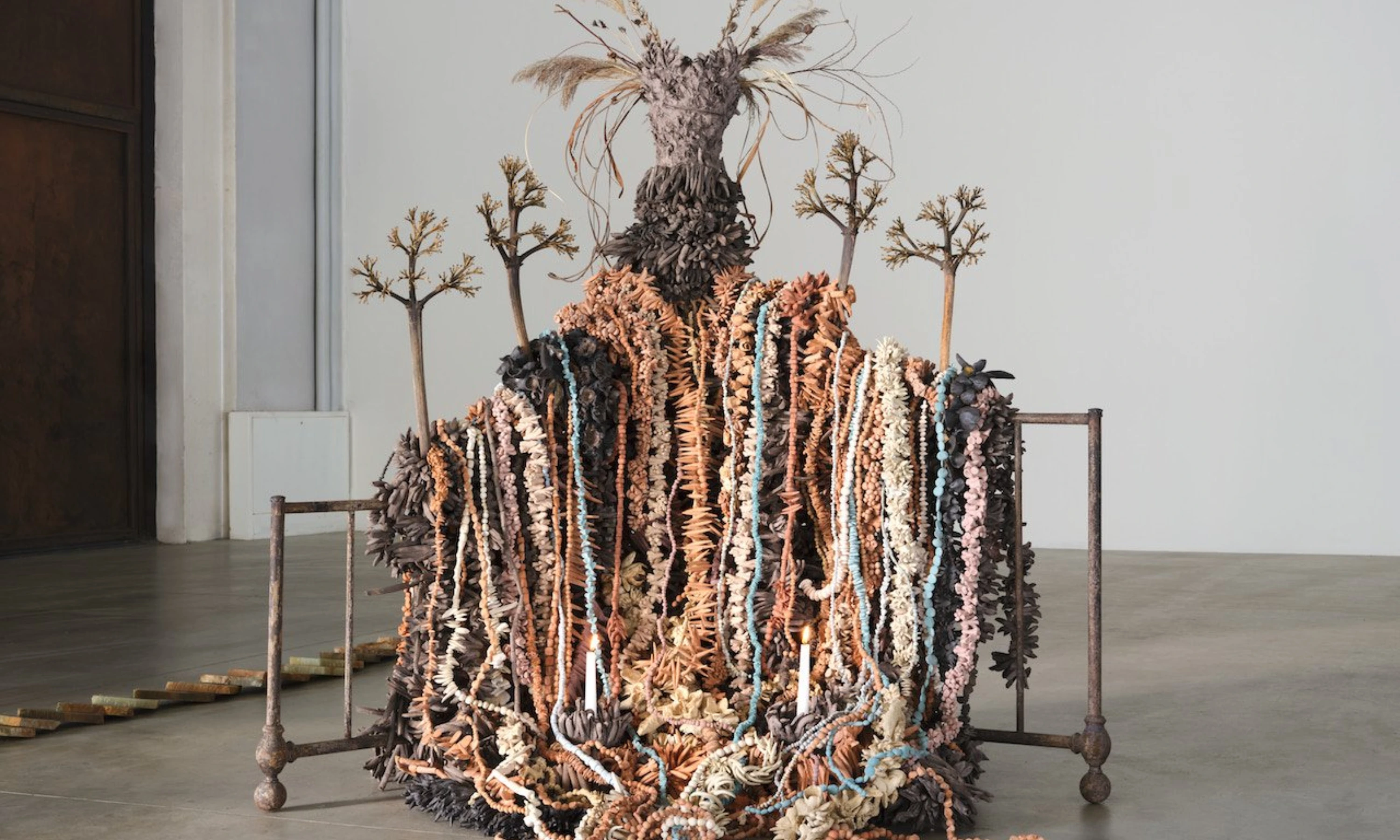
Chiara Camoni
An artist who combines ceramics, drawing, and collective practices, Camoni often works with natural materials and artisanal processes. Her works arise from temporary communities of women and friends, who become an integral part of the creative process.

Rauml; di Martino
A director and visual artist, Rauml; di Martino explores the relationship between cinema, memory, and the imagination. Her works range from video to photography and have been presented at international festivals and institutions, confirming the dialogue between different languages and cultures.
The panorama of contemporary Italian art is rich and multifaceted. Artists like these bring Italy to the center of international cultural debate, no longer Tied only to the memory of the past but capable of proposing new perspectives and languages. These are voices that tell the story of a country in transformation, grappling with the present without forgetting its roots.