Full cities, empty cities: how to choose a cultural destination
02 April 2026
Between overtourism and alternative cultural geographies: why today choosing an art city means redefining one's way of looking
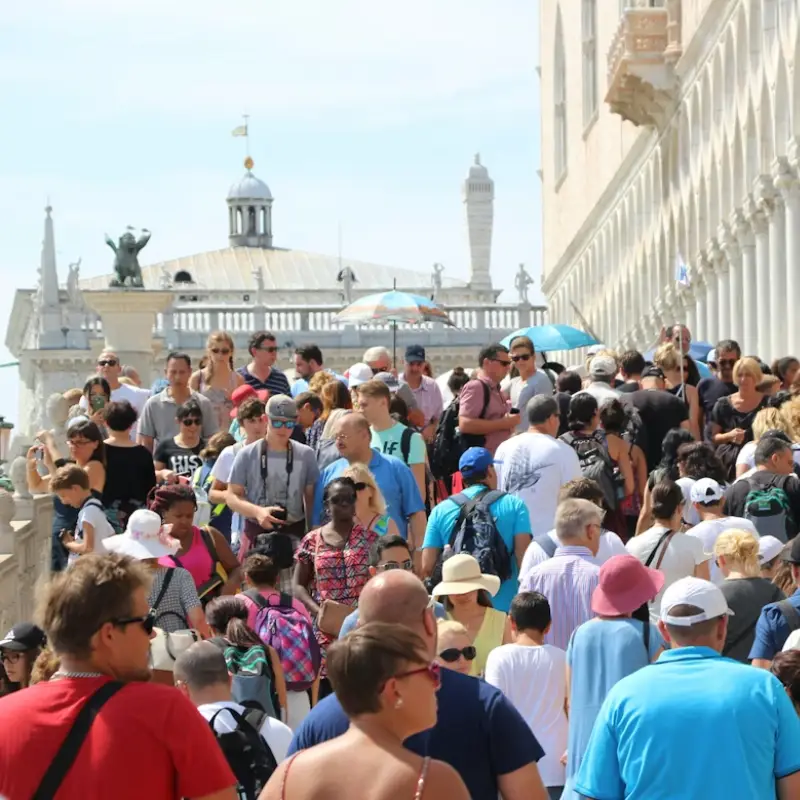
There are cities that are no longer visited: they are passed through within a flow. Florence, Venice, Paris... It is not a question of charm or cultural offerings, but of density. The concentration of bodies, images, and expectations produces a compressed experience, where time is reduced to a sequence and space loses depth. The problem is not the crowding in seacute;, but the way it transforms the relationship between the viewer and what is looked at: everything has already been seen, photographed, anticipated.
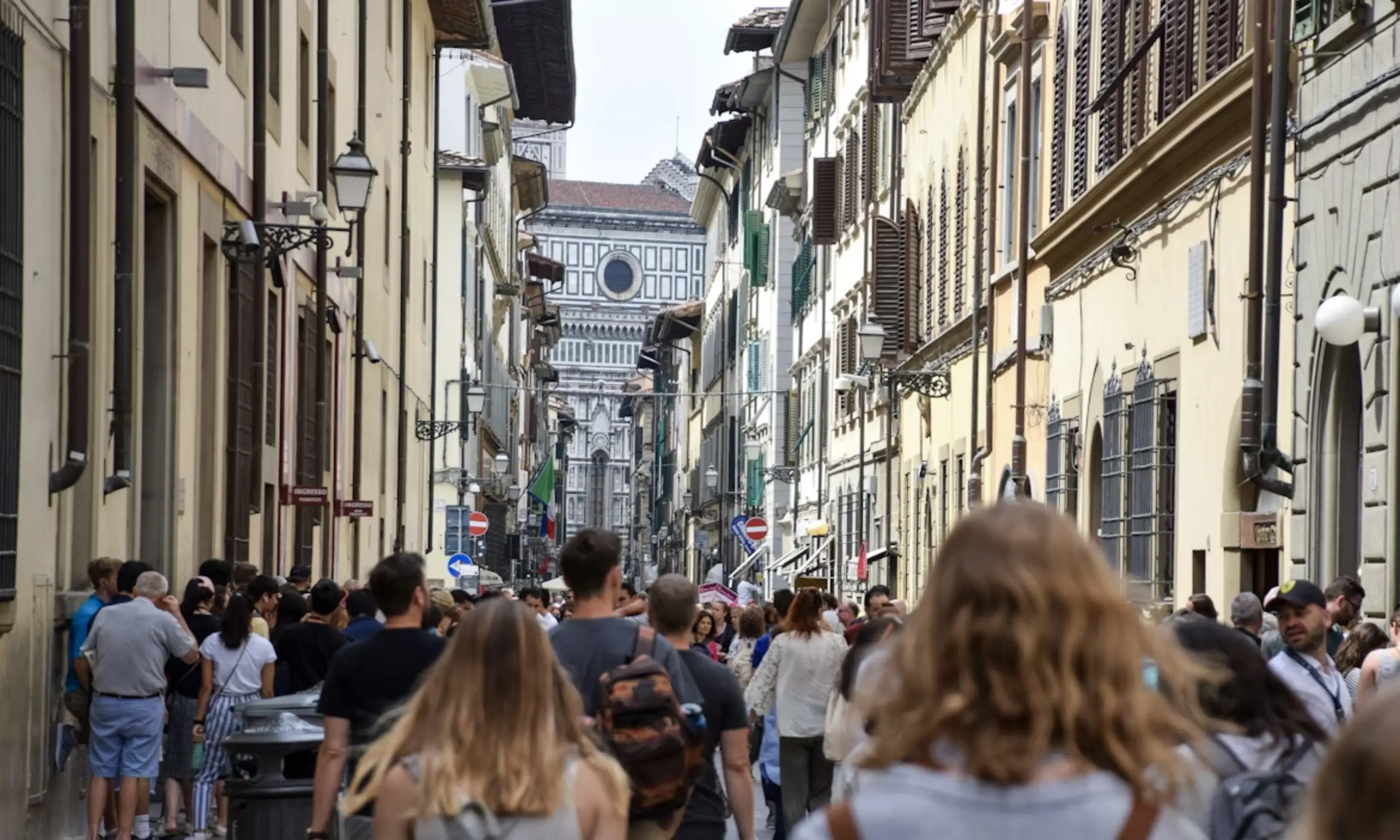
In this context, choosing a cultural destination is no longer a neutral gesture. It is a stance on how we want to inhabit time and space, and how we want to live there as “tourists.” The so-called “minor” art cities—from Mantua to Urbino, from Ravenna to Lecce—do not represent a more authentic alternative in the Romantic sense, but a different perceptual regime. Here, the space is not saturated, and for this very reason it becomes legible again.

The difference does not concern the quality of the offering—often comparable—but the possibility of establishing a distance. In hyper-frequented centers, the work is incorporated into a collective choreography that neutralizes its presence: one looks to confirm, not to discover. On the contrary, in less exposed contexts, the gaze is not forced to compete. It can stop, deviate, even get bored. And it is in this availability that a more demanding form of attention reemerges.

In recent years, institutions and curators have also begun to question this imbalance. Widespread projects, decentralized festivals, and territorial enhancement policies attempt to redistribute flows, but without truly impacting the central issue: symbolic concentration. Some cities remain obligatory stops, not out of cultural necessity, but out of collective inertia. Visiting the Louvre Museum or the Uffizi Gallery continues to be perceived as an essential passage, even when the experience is reduced to a rapid crossing.

The point, then, is not to avoid overcrowded cities, but to stop considering them inevitable. A broader, less spectacular cultural geography exists, which, however, requires a different disposition: less oriented towards confirmation, more towards building a direct relationship with places. In this sense, choosing a city "forgotten" is not a countercurrent gesture, but a way to escape a model of fruition that has stopped producing experience.
It's not about finding the right place, but about redefining the conditions of the gaze. Some places still make it possible.