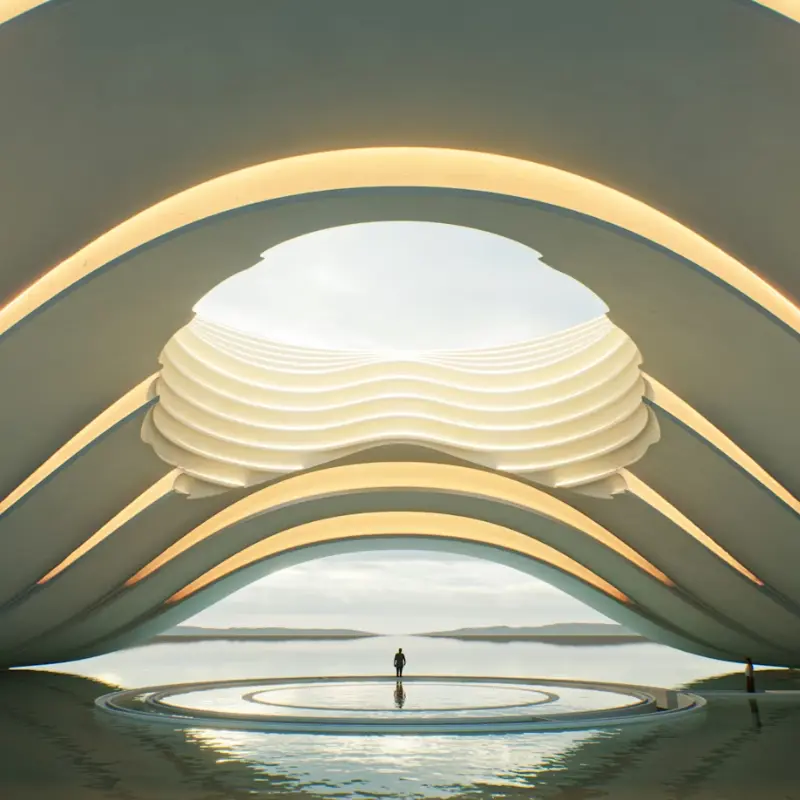
Homes, hotels, and outdoor spaces: the role of natural light in contemporary design
15 June 2026
From John Pawson to Aman, from Vincent Van Duysen to Studio KO: How Light Became a Material in Architecture
For decades, natural light has been treated, in architecture, as an atmospheric condition: something to be let in, modulated, allowed to happen. Over the past fifteen years, this idea has cracked, and today it is clearly outdated. In contemporary design, light is a material, and as a material it is designed, measured, and accumulated. It is a finished product, just like brass, microcement, or treated stone, and it has developed its own economy.
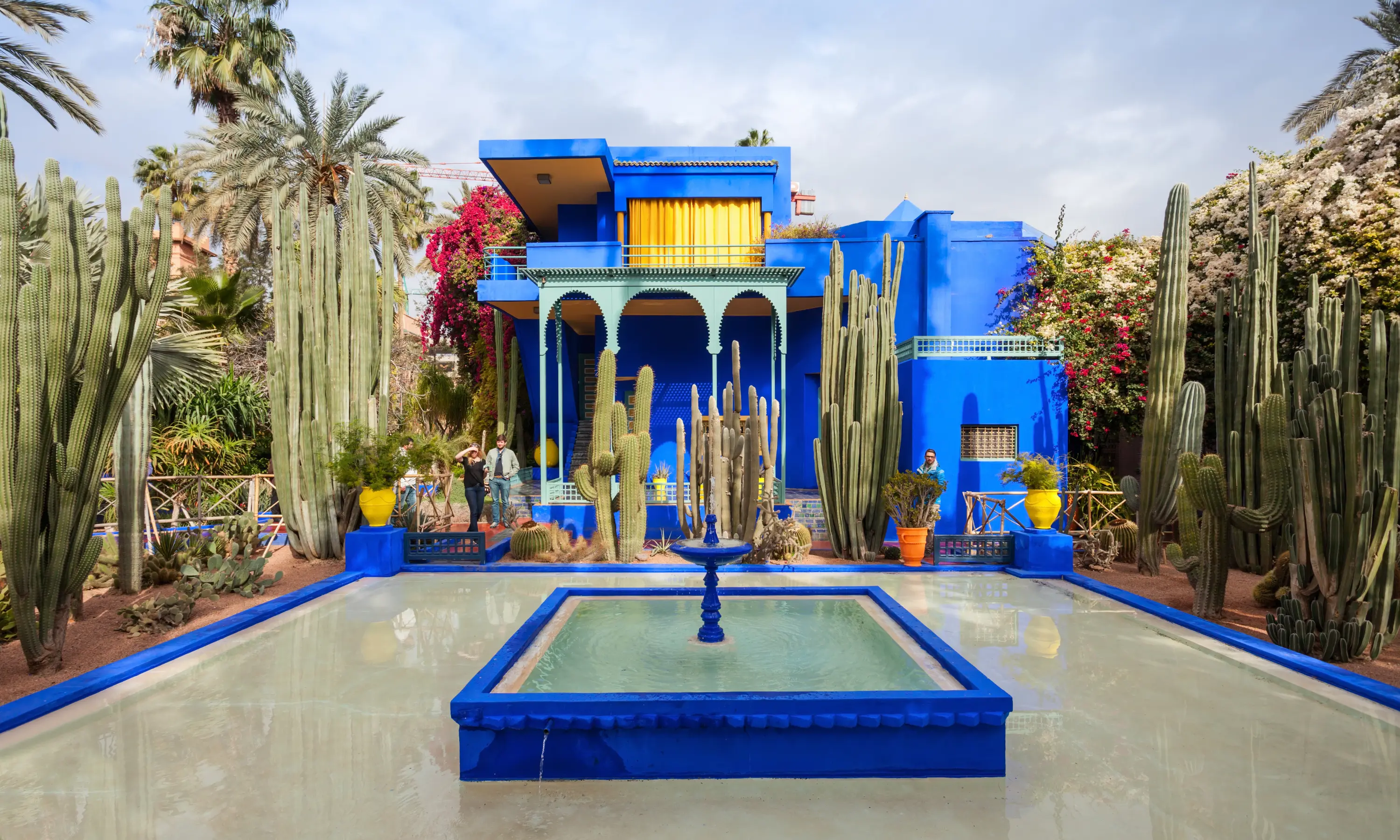
The breaking point, in retrospect, was the work of John Pawson—not so much the ascetic minimalism of the 1990s, long misunderstood as a question of emptiness, but his subsequent reflection on the way light, encountering precise surfaces, becomes a concrete element. From then on, a generation of architects—Vincent Van Duysen in Belgium, Studio KO with the Musée Yves Saint Laurent in Marrakech, Tadao Andō as a guiding light, and in the hotel industry, the Aman system—have stopped thinking of light as a simple effect and begun to think of it as a surface.
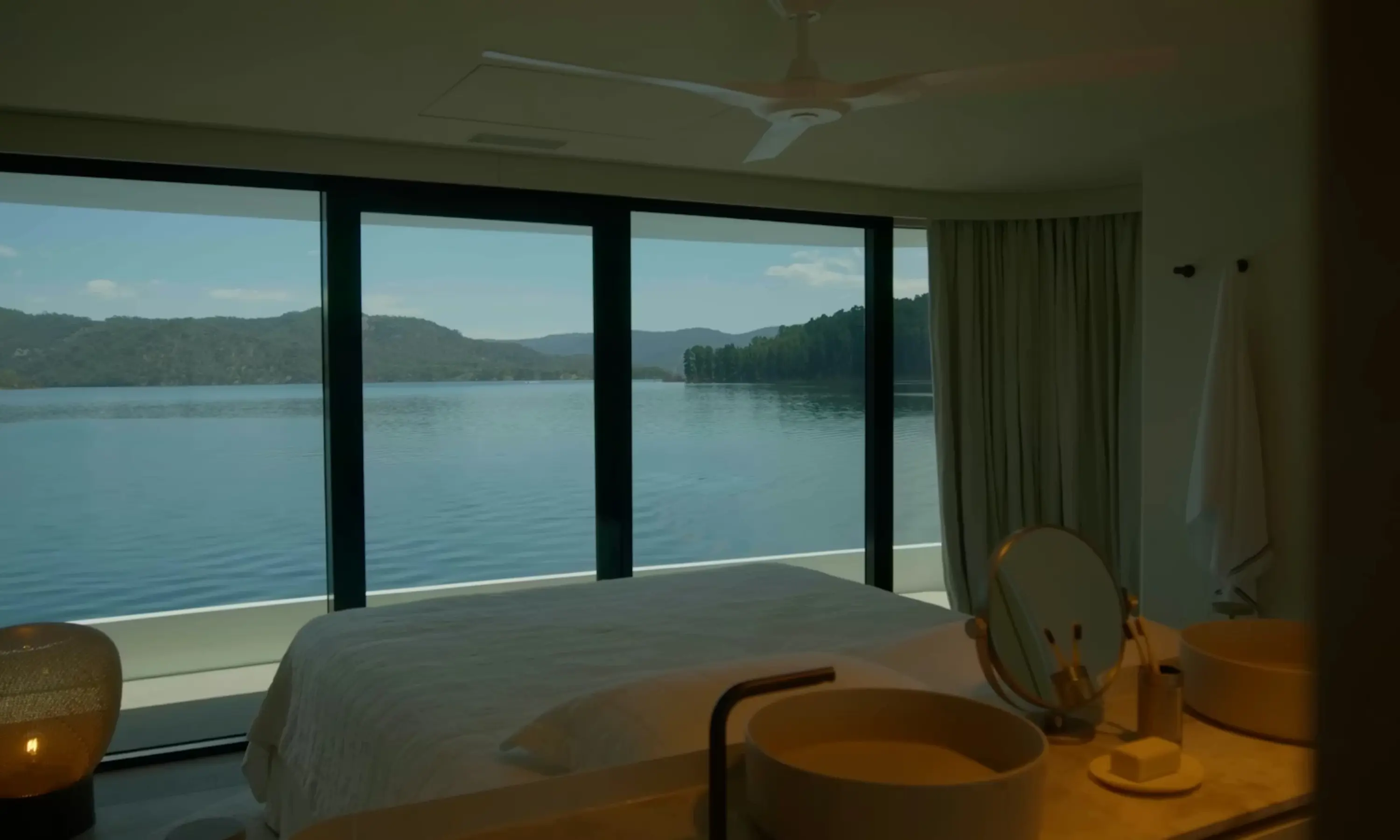
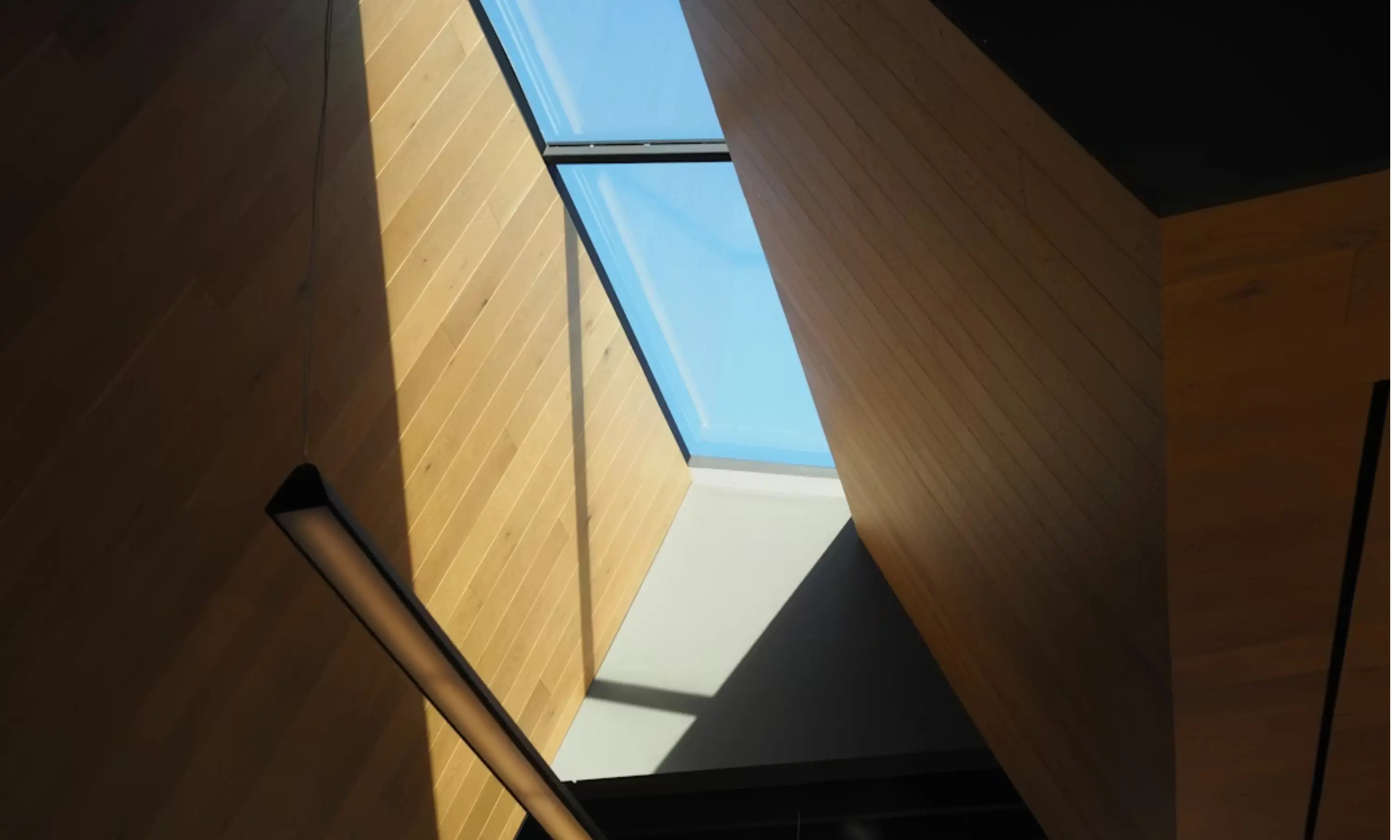
The shift is visible in contemporary high-end private homes. Large windows have ceased to function as enlarged windows and have transformed into filtering devices: thin frames, treated glass, wood or stone screens that fragment the light into discernible patterns on the floor. The flooring itself, often microcement, lava stone, or light-colored wood, is chosen for the way it reflects that light. In hotels—Aman remains exemplary, but also the recent work of Bulgari Hotels and Six Senses—natural light is calibrated room by room with the same attention one would pay to the choice of a fabric.
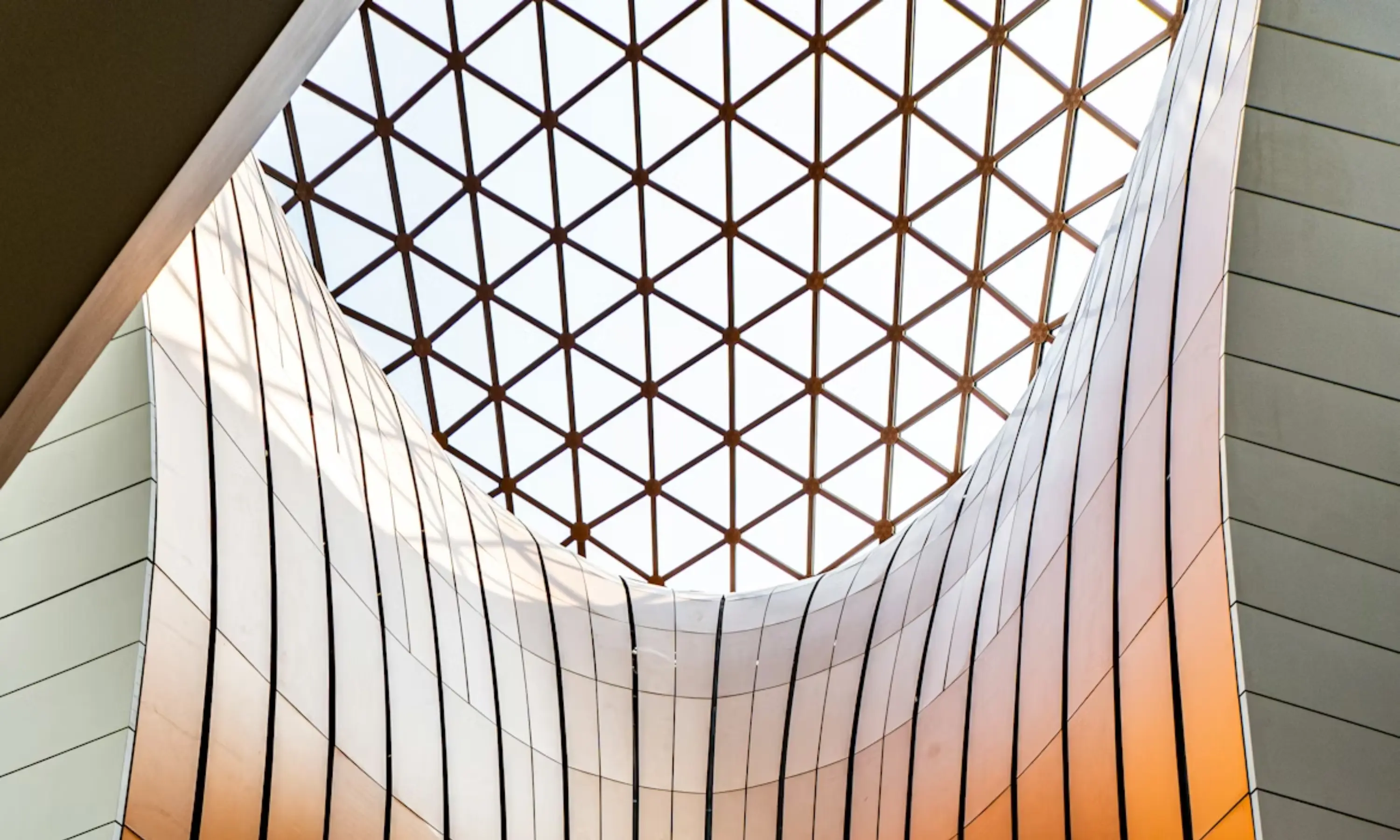
This promotion of light as a material has significant cultural consequences. It redefines luxury: the accumulation of precious objects has lost ground in favor of the control of a resource that is free but elusive. Paying for well-designed lighting means paying for proximity to an intangible quality and for the technical expertise needed to make it permanent. The relationship between interior and exterior is also changing: the terrace, patio, and courtyard have ceased to be extensions of the home and now function as light clearinghouses, designed to return the quantity and quality of light needed inside.
What was once a space, in other words, has become a detail. And detail, in contemporary design culture, is always where the real difference is made.